















NAKURU, Kenya May 5 – Echo Network Africa Foundation (ENAF) Executive Officer Jeniffer Riria has condemned rising cases of school dropouts and absenteeism among girls, blaming the crisis on lack of access to basic menstrual hygiene products.
Speaking during ENAF’s 40th anniversary and thanksgiving ceremony in Nakuru, Dr. Riria said many girls continue to miss school or drop out entirely due to the absence of dignity kits, which include sanitary towels and innerwear.
“Menstrual periods are God-given, they are natural and it is very unfortunate how something natural becomes a source of shame, a hindrance to dignity, education and other opportunities,” she said.
Riria warned that period poverty is exposing school-going girls to exploitation, with some engaging in transactional sex to afford sanitary products—contributing to rising teenage pregnancies.
“Lack of access to menstrual products lowers self-esteem, increases vulnerability to exploitation, and disrupts education for the girl child,” she noted.
She added that girls are losing up to a quarter of their school time due to menstruation-related challenges, compounding existing barriers to education.
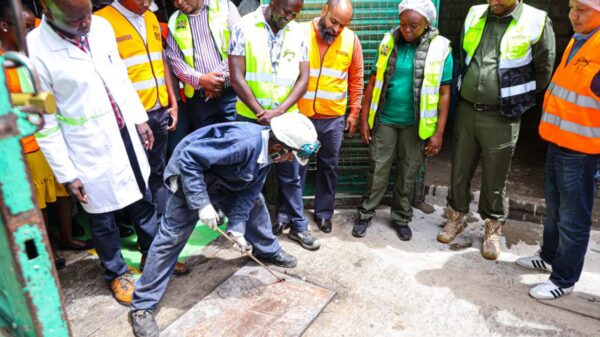
As part of the celebrations, ENAF conducted outreach activities, including a visit to Holy Family Children’s Home in Nakuru Town West, where the team shared refreshments and donated essential supplies such as diapers, sanitary towels, food items, and bedding.
The foundation also donated a mobile laboratory and dignity kits to Ngala Special School for the Hearing Impaired in Nakuru Town East, aimed at improving access to science education for learners with disabilities.
The initiative was carried out in collaboration with partners, including tenants at the Jennifer Riria Hub, the Malaysian Embassy, and other stakeholders.
Riria, who also serves as patron of the Democracy Trust Fund, urged men to play a more supportive role in addressing period poverty by promoting dignity and protecting girls from exploitation.
She emphasized the need for inclusive education, noting that children with disabilities should be given equal opportunities to learn and thrive.
“Children with hearing impairment need to learn science like any other child. In the current curriculum, children with disabilities must not be left behind,” she said.
Riria expressed confidence that with the right support and resources, all children—including those with disabilities—can achieve their full potential.