

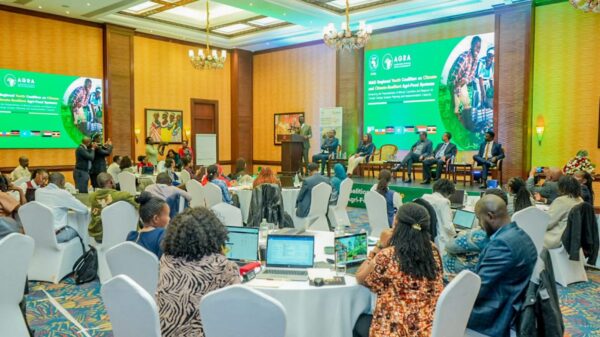



















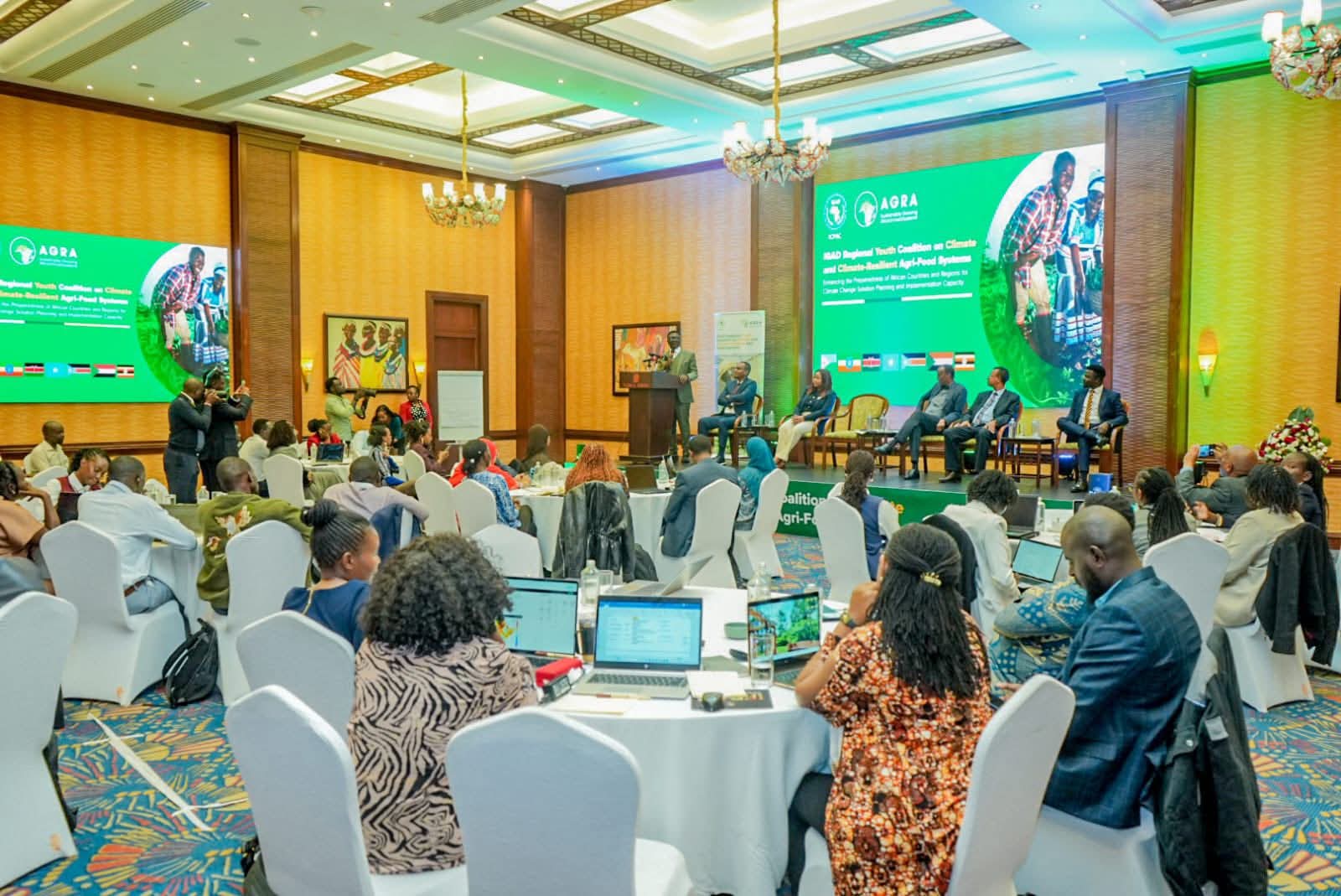

NAIROBI, Kenya, May 5— A new regional youth-driven platform aimed at tackling climate change and strengthening food systems in Eastern Africa has been officially launched in Nairobi, marking a key step in placing young people at the centre of climate action.
The IGAD Regional Youth Coalition on Climate and Climate-Resilient Agri-Food Systems was officially inaugurated by Principal Secretary for Youth Affairs and Creative Economy, Fikirini Jacobs, who emphasised the urgency of leveraging Africa’s youthful population to address climate challenges.
“This is our opportunity to bring forth the energy, hope and determination of young people to push systems and drive meaningful change,” Jacobs said.
“It is only Africa that has the leverage of a youthful population. What it means is, if Africa, if our region, if our countries are to embrace any meaningful change, then we have to leverage on the the creativity and potential of young people.”
He noted that Kenya, like many African countries, has a predominantly youthful population, positioning the continent as uniquely capable of driving climate solutions if youth are prioritised.
The Youth Affairs PS appealed to young people to leverage on the opportunity presented to them in order to make a difference in their communities.
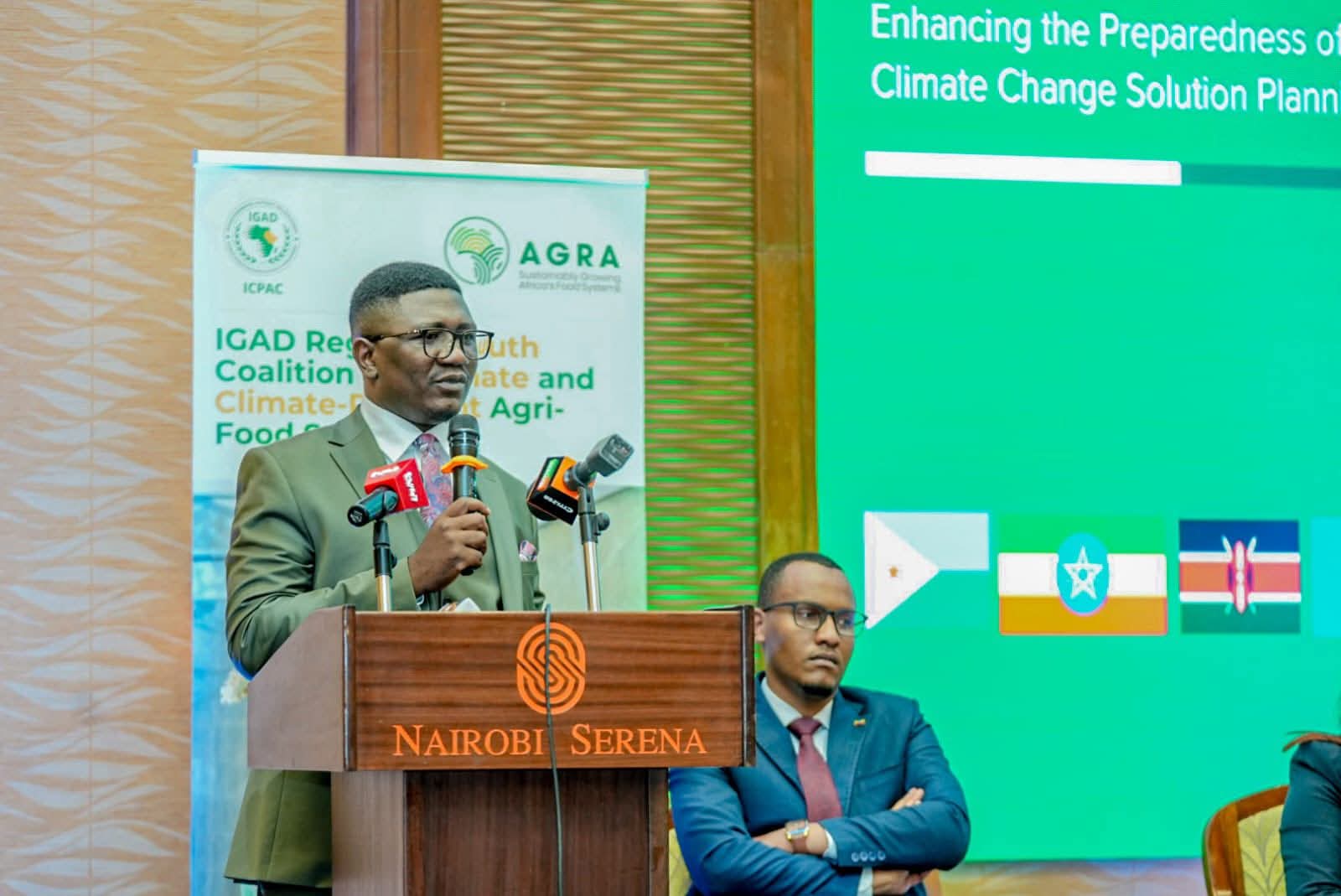
IGAD Youth Envoy Sam Ogwal described the coalition as a milestone initiative that places young people at the heart of climate resilience and development.
“The IGAD region is among the most climate-vulnerable globally. Nearly 70 per cent of our landmass is arid or semi-arid, and agriculture, largely rain-fed, remains the backbone of our economies,” Ogwal said.
He added that climate shocks have displaced over 40 million people in recent years, worsening food insecurity and livelihoods.
“Our region is over 60 per cent young people under 25, and they are disproportionately affected by climate change. Yet they are also innovators, adopters of technology and powerful agents of change,” he said.
Ogwal noted that the coalition is designed to move youth efforts from fragmented initiatives to a structured regional mechanism anchored within IGAD.
“It will mobilise young people, strengthen access to climate services, promote climate-resilient agri-food systems, support innovation and green entrepreneurship, and amplify youth voices in regional and global climate processes,” he said.
He stressed that collective action is key, warning that no single institution can address climate challenges alone.
Platform for Innovation
Charity Mumbua, a Food Security Specialist at the Intergovernmental Authority on Development (IGAD), said the coalition is envisioned as a platform to amplify youth voices, foster innovation and influence policy.
“The IGAD region is on the frontline of climate change impacts affecting food security, livelihoods and economic stability. At the same time, young people are a powerful force for innovation, advocacy and transformation,” she said.
She noted that the coalition brings together youth actors, institutions and partners to drive inclusive, climate-resilient and locally grounded solutions.
Director of the IGAD Climate Prediction and Applications Centre (ICPAC), Dr. Abdi Fidar, stressed the need for improved climate prediction, technology adoption and capacity building.
He noted that the region is currently grappling with a number of challenges as result of climate such as drought and floods, calling for the strengthening of resilience and improved management of water and climate risks.
“We live in region, where we are either dealing with water scarcity or access to waterI came up from Mogadishu. I came from Mogadishu last week. I saw there was floods in Mogadishu, I think that’s what’s happening in Nairobi,” he said.
He emphasised the urgent need to address the effects of climate shocks that on young people.
Fidar urged young people to embrace technology and innovation, warning that failure to adapt could leave them behind in a rapidly changing global economy.
“To be relevant, you must not only use technology but innovate with it. Climate prediction and adaptation depend on it,” he said.
Head of Resilience, Climate and Soil Fertility at the Alliance for a Green Revolution in Africa (AGRA), Prof. Tilahun Amede, highlighted agriculture’s vulnerability to climate shocks and the central role of youth in transforming the sector.
“Agriculture depends on rainfall, soil, water and seed systems. Building capacity to respond to these changes is critical,” he said.
Amede noted that young people are emerging as key drivers of change, not only increasing productivity but also creating jobs and delivering services to farmers.
“We are working with tens of thousands of young people who support communities with knowledge, advisory services and market linkages. But challenges remain, including access to finance, land and information,” he said.
He added that the coalition will help strengthen coordination, promote knowledge-sharing and create a unified voice to influence policy.
Action beyond symbolism
The President of the Ethiopian Youth Council, Fuad Gena, described the launch as a commitment to action and the future of the region.
“Our communities are already experiencing harsh realities—droughts, erratic rainfall, food insecurity and loss of livelihoods,” he said.
“Yet within this challenge lies immense potential in the creativity and resilience of young people. We are not just beneficiaries—we are innovators and frontline responders.”
He emphasised that the coalition will amplify grassroots initiatives and transform them into coordinated regional impact.
Chief Executive Officer of the National Youth Council of Kenya, Gloria Wawira, welcomed the initiative, noting that it aligns with efforts to strengthen youth participation in policy and development.
“This platform is not symbolic, it is strategic. It creates space for young people to shape policy, build enterprises and influence the future of our region,” she said.
She added that many youth-led climate initiatives remain fragmented and under-supported, making the coalition timely.
“We must move from participation to leadership, from ideas to implementation, and from local impact to regional transformation,” she said.
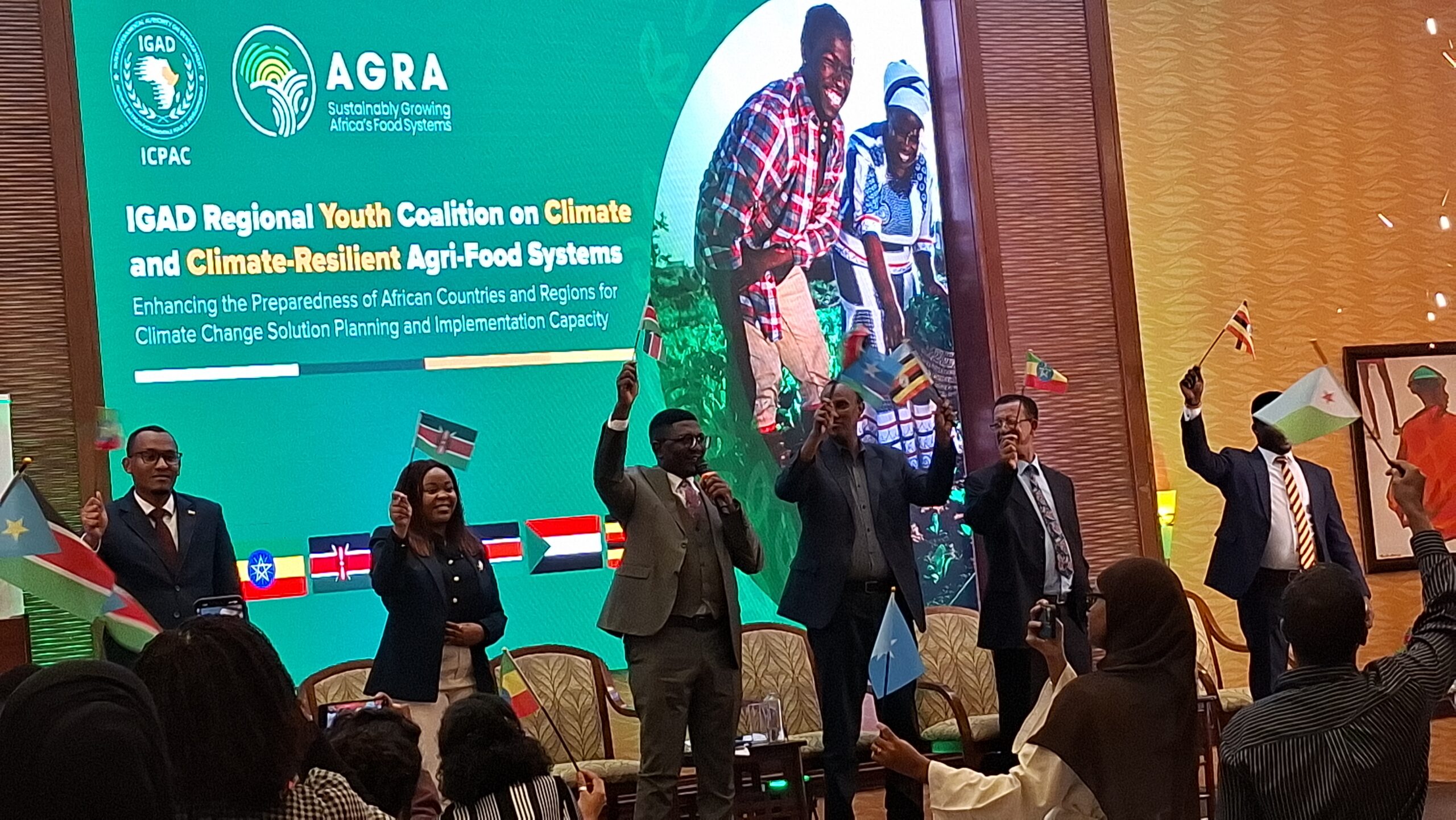
The coalition, supported by IGAD, ICPAC and AGRA, aims to create a structured regional mechanism for collaboration, knowledge-sharing and policy engagement.
It will focus on mobilising youth, strengthening access to climate services, supporting innovation and green jobs, and promoting climate-resilient agri-food systems.
Stakeholders emphasised that the success of the initiative will depend on sustained partnerships and investment in youth-led solutions.
“This is your platform,” Jacobs told participants. “Our responsibility now is to ensure it delivers real impact and transforms communities across the region.”
The launch followed a technical session held on May 4, where stakeholders validated the coalition’s framework, governance structure and initial work plan, setting the stage for coordinated youth-led climate action across the IGAD region.