









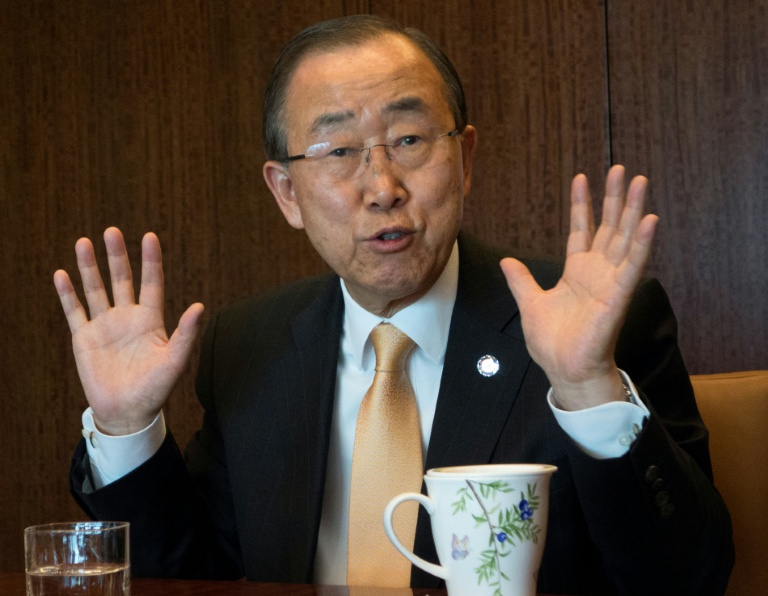








Anthony Idowu Ajayi, African Population and Health Research Center
Nearly a quarter of adolescent girls between the ages of 15 and 19 who have been in a relationship will have suffered intimate partner violence by the time they turn 20. This is one of the findings of the World Health Organization’s first detailed analysis of intimate partner violence among girls.
Nadine Dreyer, from The Conversation Africa, spoke to research scientist Anthony Ajayi, who has studied intimate partner violence against young adolescents in Africa, for more insights on this form of abuse.
What are some of the findings in the WHO report?
This is the first time the WHO has released a detailed analysis looking at the prevalence of intimate partner violence against girls aged between 15 and 19.
The WHO analysis was based on surveys from thousands of adolescent girls from 154 countries and areas.
It showed that 24% of these adolescents had been subjected to intimate partner violence at least once, with 16% reporting it in the past year.
The report looked at acts of violence like kicking or hitting, as well as any unwanted sexual act, such as rape or attempted rape.
Countries with higher rates of female secondary school enrolment and those with inheritance laws that were more gender-equal had a lower prevalence of intimate partner violence against adolescent girls.
Violence against adolescent girls was most common in lower-income countries and regions, in places where there were fewer girls in secondary school, and where girls had weaker legal property ownership and inheritance rights.
Based on the WHO’s estimates, regions with the highest prevalence of intimate partner violence were Oceania (47%), central sub-Saharan Africa (40%) and eastern sub-Saharan Africa (31%), while the lowest rates were in central Europe (10%) and central Asia (11%).
New WHO guidelines on prevention of child marriage are planned for release by the end of 2024.
The tragedy of child brides
The WHO found child marriage was one of the main reasons for intimate partner violence.
Child marriage is defined as girls being married off before the age of 18 years.
In our own study of 16 African countries we found that child marriages significantly escalated the risks of intimate partner violence, since age differences between husband and wife created power imbalances, economic dependency and social isolation. The likelihood of violence increased when sexual demands were not met.
A staggering 127 million girls and women alive today in sub-Saharan Africa were married in childhood.
The practice of child marriage often co-exists with bride price where the groom pays the family for the bride. This is an additional incentive for poor families with no or little access to education to marry off their daughters early.
What are the consequences for victims?
These are immediate and can be long-lasting, resulting in injuries, extended hospital stays, disabilities and even death.
Studies have linked intimate partner violence to miscarriages and child mortality rates, psychological trauma and reduced self-esteem.
All of these factors, in addition to leaving school early, pregnancy, being an adolescent mother, and taking on domestic responsibilities, exacerbate economic and social dependency and increase the risks of violence.
What should governments and society do to protect victims?
Given that violence during these critical formative years can cause profound and lasting harm, it needs to be taken more seriously as a public health issue. There needs to be a focus on prevention and targeted support for these girls.
- Educational programmes involving boys and girls should focus on healthy relationships and the prevention of violence.
- Governments should enforce laws and policies that hold offenders accountable, foster gender equality, ensure secondary education for all children, eradicate discriminatory gender practices and tackle harmful customs like child marriage.
Everyone has a role in eradicating intimate partner violence, and we should use our platforms to advocate for legal and policy changes.
Anthony Idowu Ajayi, Research Scientist, African Population and Health Research Center
This article is republished from The Conversation under a Creative Commons license. Read the original article.