















China’s decision to open its market to 53 African countries with zero tariffs starting in May 2026 is not just another trade announcement. It is a statement of intent. At a time when global trade is increasingly shaped by rivalry, protectionism and shifting alliances, Beijing is signalling that Africa remains central to its economic diplomacy.
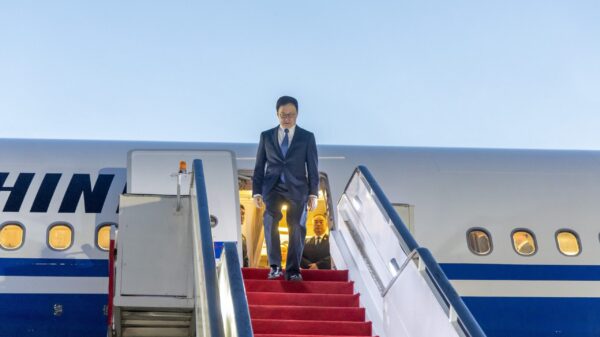
Chinese Vice President Han Zheng is on an official visit to Kenya, where implementation of zero-tariff treatment is a key focus.
More importantly, the move reflects President Xi Jinping’s consistent approach to China–Africa relations. Over the past decade, Xi has placed the continent firmly within China’s global strategy through expanded trade, infrastructure cooperation and development partnerships. The decision to remove tariffs on African exports reinforces the message that China sees Africa not as a peripheral partner, but as a vital participant in a shared economic future. The immediate benefits could be significant. By eliminating tariffs on exports from 53 African countries, China is opening wider the doors to one of the world’s largest consumer markets. African products—from tea, coffee and cocoa to avocados, nuts, leather goods, textiles and processed foods—will become more competitive in China’s vast marketplace.
For exporters, this means new opportunities to scale up production and expand sales. For governments, it offers the possibility of strengthening export sectors and boosting foreign exchange earnings. For farmers, cooperatives and small businesses, it creates a pathway to reach millions of consumers without the price disadvantages that tariffs often impose.
Timing matters. Global trade is undergoing profound shifts. Supply chains are being reconfigured, economic blocs are tightening their rules and geopolitical tensions are shaping market access. In this environment, expanded access to China’s market provides African economies with an important opportunity to diversify export destinations and reduce dependence on traditional markets.
China’s approach also highlights an important contrast with how many developed economies structure their engagement with Africa. The United States and Europe have long offered preferential trade arrangements such as the African Growth and Opportunity Act and the European Union’s Economic Partnership Agreements. These frameworks have helped African exports, but they often come with eligibility conditions, quotas and periodic renewal debates that introduce uncertainty for businesses planning long-term investments.
China’s zero-tariff decision, by comparison, sends a more straightforward signal of market access. It reflects a broader economic strategy in which trade, infrastructure and industrial cooperation move together.
Western partnerships with Africa have historically emphasised development assistance, governance programmes and aid frameworks. These initiatives remain important. Yet African policymakers increasingly argue that long-term economic transformation requires more than aid—it requires trade, investment and productive capacity. China’s engagement has largely centred on these areas, combining market access with infrastructure development and industrial cooperation aimed at expanding Africa’s economic base.
In practical terms, zero tariffs could encourage new investment across the continent. When markets open, capital follows. Investors are more likely to finance industries that can supply goods to major global markets under favourable conditions. This could stimulate growth in agro-processing, textiles, manufacturing, packaging and other sectors capable of exporting to China duty-free.
The longer-term importance of the policy lies in the opportunities it creates for stronger industries, broader export capacity and deeper commercial ties between Africa and China. It gives African economies a better chance to expand production, attract investment and strengthen sectors that are central to jobs and growth.
President Xi Jinping’s policy direction matters because it provides African economies with a real chance to deepen their presence in one of the world’s most important markets. By lowering barriers to China’s vast consumer base, Beijing is creating new space for African producers, exporters and businesses to grow.
The African Continental Free Trade Area can reinforce this moment. A more integrated African market allows producers to scale up production, strengthen regional supply chains and meet international standards required by global markets. When combined with tariff-free access to China, this could become a powerful driver of industrial growth.
Of course, opportunity alone does not guarantee transformation. African countries will need supportive policies, reliable infrastructure, efficient logistics and strong export institutions if they are to fully seize this moment. Market access creates possibilities, but it is domestic strategy that converts those possibilities into growth.
What China has done is create the opening. In doing so, President Xi Jinping has once again underscored the importance Beijing attaches to Africa’s development and its role in the global economy.
This is not merely a tariff decision. It is an invitation to expand trade, deepen cooperation and unlock new economic possibilities.
For Africa, the task now is to make full use of that opening. If governments, businesses and producers respond with ambition and strategy, China’s market opening could become more than a trade policy—it could become a major boost to Africa’s economic growth.
Elijah Mwangi is a scholar based in Nairobi; he comments on local and global matters.