





















NAIROBI, Kenya, Feb 10 – The Magical Kenya Open, presented by Absa, is more than just a premier golf tournament – it’s a catalyst for positive change in the communities surrounding the course.
As a round of the DP World Tour, the second-biggest tour globally, the event is leveraging its platform to drive sustainability and social impact.
Slated for February 19–22 at the Karen Country Club course, the event is taking significant steps to reduce its environmental footprint.
Beyond the course, the Magical Kenya Open is making a tangible difference in local communities.
The tournament has adopted nearby schools, including St. Mary’s Karen Primary School, providing learning materials, environmental education, and infrastructure support.

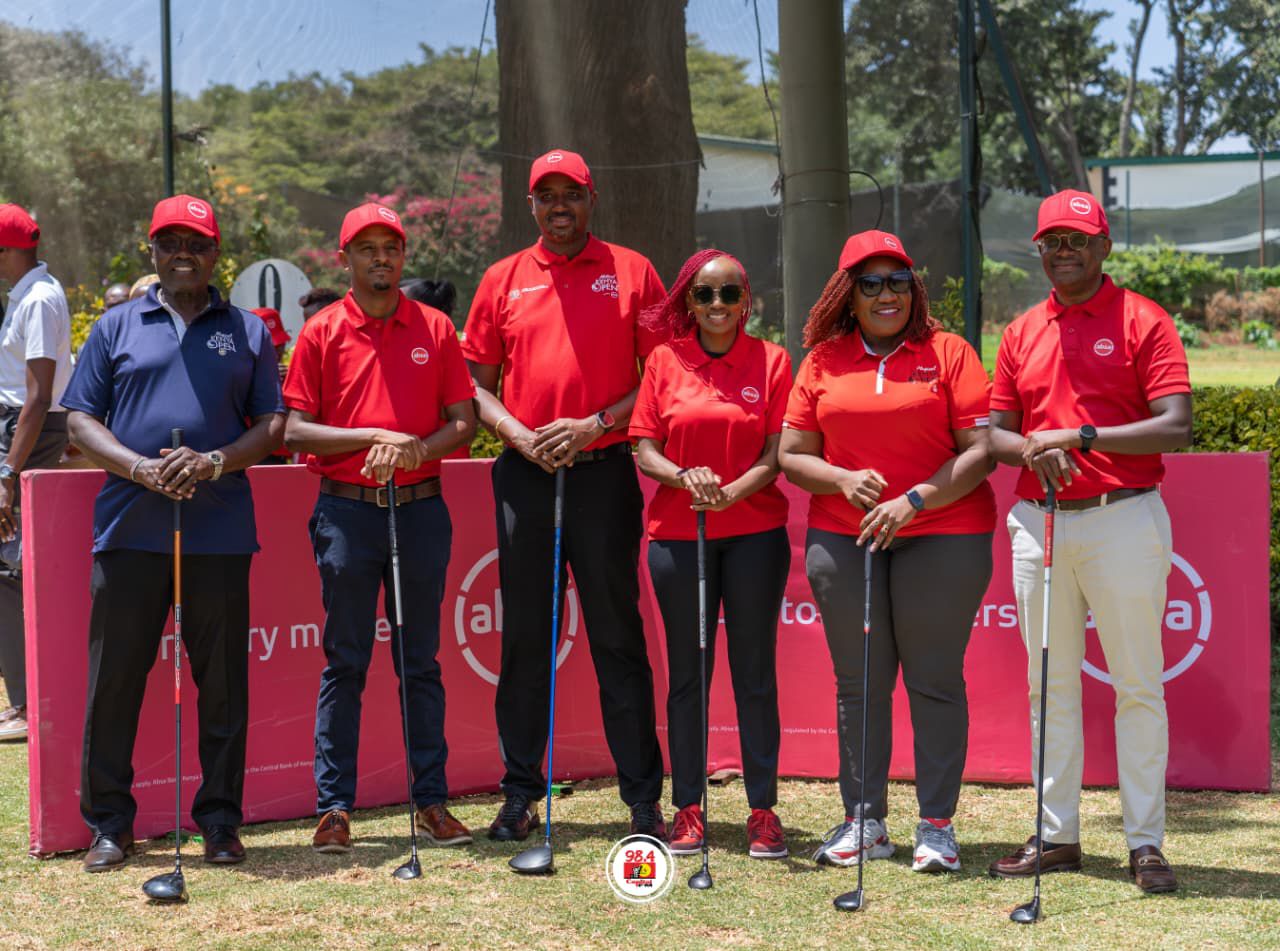
“In every course we play, we always find a school nearby, or a place nearby where the club can continue after we have left. So we go and look at the things that are required and how we can help them,” explained Patrick Obath, Kenya Open Golf Limited (KOGL) Chairman.
“In Karen this year, we’re factoring in waste from the course, like plastic bottles and polythene, and we’ll make sure that people who are here do not use those things. If they do, they are disposed of in places that can be recycled. We’re insisting on people using recycled things,” Obath continued.
Charles Wokabi, Absa’s Head of Sustainability and Corporate Affairs, highlighted, “I think it’s been a longstanding desire, as partners between ourselves and KOGL, to make this tournament more than just golf, and one of the areas we are talking about is how we can build the environmental sustainability and social development that run the places that we get to do.”

Reflecting on the success story of the project, Wokabi continued: “We have been doing this in Muthaiga for the last few years and with a few schools there, and it’s the same approach that we are having this year in Karen. Around Karen, we have got two or so schools that we are working in partnership with KOGL to assist with different things, from helping them get the right learning material and environmental work to tree-planting, and this speaks volumes about the social element for the community.”
The tournament’s efforts are aimed at creating a lasting impact. “We hope to give these kids a favourable environment to help them learn and ensure that they are able to follow the curriculum in the right way. They have been planting trees to just keep that environmental conservation agenda,” says Wokabi.
Wokabi continued: “The intention and desire is that everywhere we go, we leave a positive impact within the community. Our social and environmental work runs all year long; this tournament gives us yet another chance to continue doing that type of work, and so it doesn’t just stop with the tournament itself.”
Obath goes on to explain that the MKO is partnering with Coca-Cola to provide water in refillable containers, eliminating the need for single-use plastic bottles. “People will have to come with their own containers, and then they can get free water dispensed,” adds Obath.
“During preparation of the course, we use organic material or things that are not going to harm the course,” Obath said.
In the local school in Karen, the tournament has helped repair facilities, upgrade the football field, and install biodigesters to provide gas for cooking.