



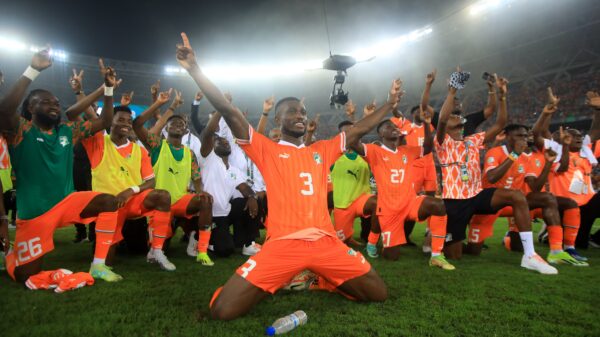
















NAIROBI, Kenya, Jan 24 – After the thrilling 2025 Africa Cup of Nations (AFCON) final we witnessed in Morocco, the spotlight now shifts to East Africa, where Kenya, Tanzania, and Uganda will co-host the next edition of this prestigious tournament.
It is a historic moment for the region, especially for Kenya, which had its rights stripped in 1996.
But as the excitement builds, one uncomfortable question remains: how prepared are we?
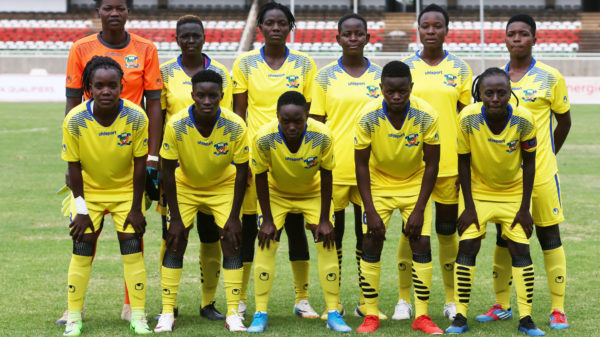
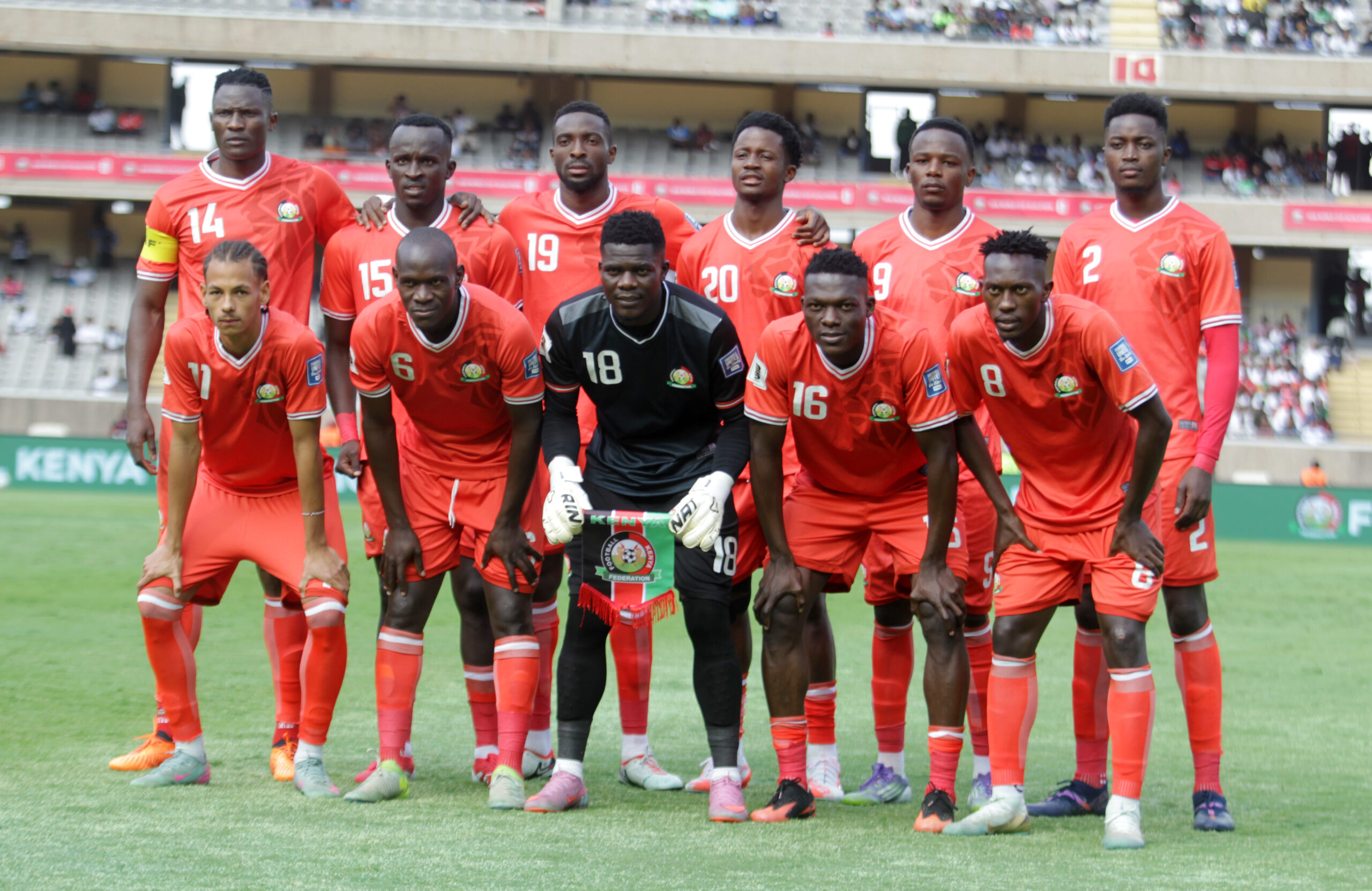
As a Kenyan football fan, this question is impossible to ignore. Calling our national team “underperforming” would be generous. For decades, the Harambee Stars have struggled to compete consistently at the highest level.
In our entire AFCON history, we have never progressed beyond the group stage. Every appearance has ended the same way: early elimination, disappointment, and familiar excuses.
So again, we must ask: what will be different this time? Hosting AFCON is not just about stadiums and ceremonies. It is about footballing identity, competitive readiness, and long-term vision.

Right now, Kenya risks co-hosting a world-class tournament while fielding a team that is nowhere near world-class.
The painful truth is this: Kenya does not lack talent. From the streets of Kibera to school fields in Kisumu and high-level academies in Nairobi, raw ability is everywhere.
Our problem is not talent, it is structure.
Our system of identifying, developing, and managing players is outdated. Talent scouting remains informal and inconsistent. Youth development is poorly funded.
School football, grassroots clubs, and professional teams are rarely connected through a clear pathway.
As a result, many gifted players are lost before they ever reach their potential.
Beyond development, governance has also played a role. Years of instability within football administration have affected planning, sponsorship, coaching continuity, and player welfare.
Successful football nations are built on stable systems, not short-term fixes or last-minute preparations before tournaments.
If Kenya is serious about competing, not just participating, several things must change:

● Modern youth development systems with strong academies and regional scouting
networks.
● Investment in coaching education to raise tactical and technical standards.
● A competitive local league that is professional, well-managed, and financially
sustainable.
● Clear long-term planning from the federation, free from political interference.
● Strong partnerships between government, private investors, schools, and clubs.
Kenya excels in many fields, including athletics, business, innovation, and culture; however, football has remained an area of concern.
AFCON 2027 offers more than just a hosting opportunity; it offers a mirror. It forces us to confront what we have ignored for years.
The question is no longer whether we can organize a tournament. The real question is: can we finally build a football system worthy of one?
-By Imran Ibrahim-