















NAIROBI, Kenya Jun 4 – Concerns are growing over Kenya’s disease surveillance systems after chaotic scenes at the Jomo Kenyatta International Airport (JKIA) exposed major gaps in passenger screening procedures.
Travelers arriving in Nairobi are being forced to queue and crowd at a single health checkpoint where they are required to scan QR codes and submit travel health information.
However, system failures and limited staff have left many stranded and frustrated.
During a recent return trip from China, passengers were seen struggling to complete the process, with some reportedly allowed to pass without fully submitting their details due to overwhelming pressure on health officials.
One traveler described the situation as disorganized and risky.
“People were stuck for long periods and the system was not working properly. Eventually, some were just waved through,” a passenger said.
The situation has triggered concern that Kenya’s frontline defence against outbreaks may be weaker than expected, especially at a time when regional Ebola alerts remain high.
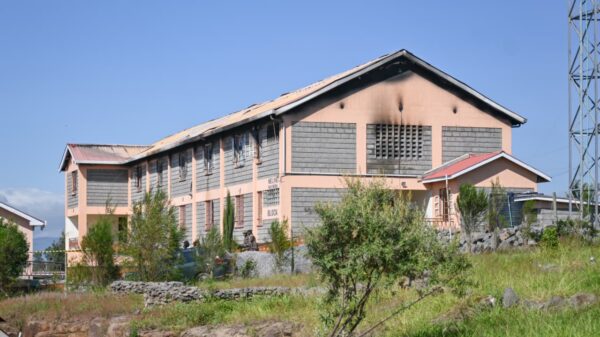
The JKIA chaos comes as Kenya is locked in a heated national debate over plans to establish a 50-bed Ebola quarantine facility at Laikipia Air Base in Nanyuki, amid a deadly outbreak in neighboring DRC.
The World Health Organization has already declared the Ebola outbreak in DRC’s Ituri Province a Public Health Emergency of International Concern, with hundreds of deaths reported.
However, the plan has faced court orders, protests, and political resistance, with critics questioning Kenya’s preparedness and sovereignty in handling foreign-linked health arrangements.
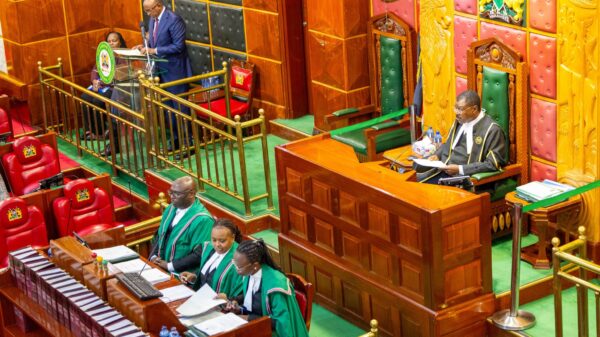
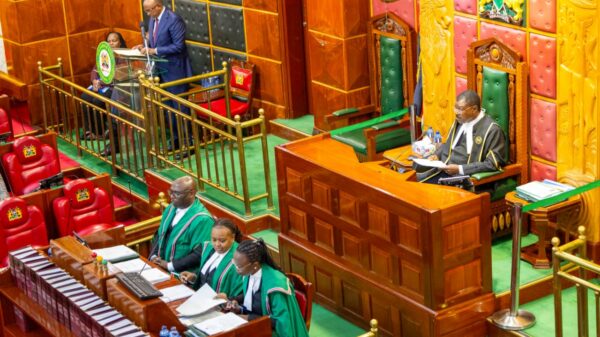
Health Cabinet Secretary Aden Duale on Wednesday defended the government’s response in Parliament, insisting that Kenya’s quarantine facilities are legal, necessary, and under full national control.
“On Laikipia Air Base, it is one of the 23 quarantine isolation centers we are building, and we will not stop it,” he said as he dismissed calls for public participation.
“We don’t need to consult citizens. This epidemic does not require any consultation.”
Duale added that Kenya had screened over 71,000 people at border points as part of preparedness efforts.
Lawmakers remained divided over the Laikipia plan and overall Ebola preparedness strategy.
While the government insists its Ebola preparedness programme is strong, the contrast between high-level policy decisions and operational failures at JKIA is raising tough questions.