
















BEIJING, China, Jun 1 — China and the United States should implement the important consensus reached by the two countries’ leaders and work toward a stable and sustainable military-to-military relationship, Chinese scholars said at a high-level security forum in Singapore, as global security faces rising risks from hegemonism, disorder of global governance and emerging technologies.
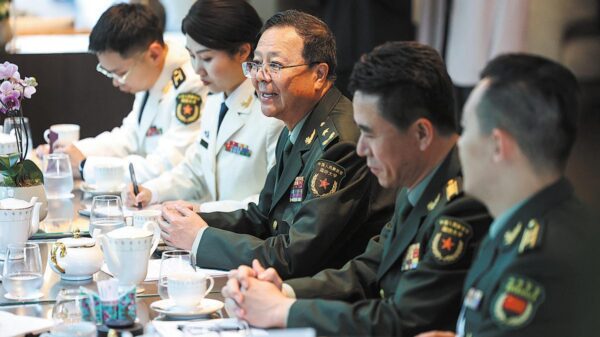
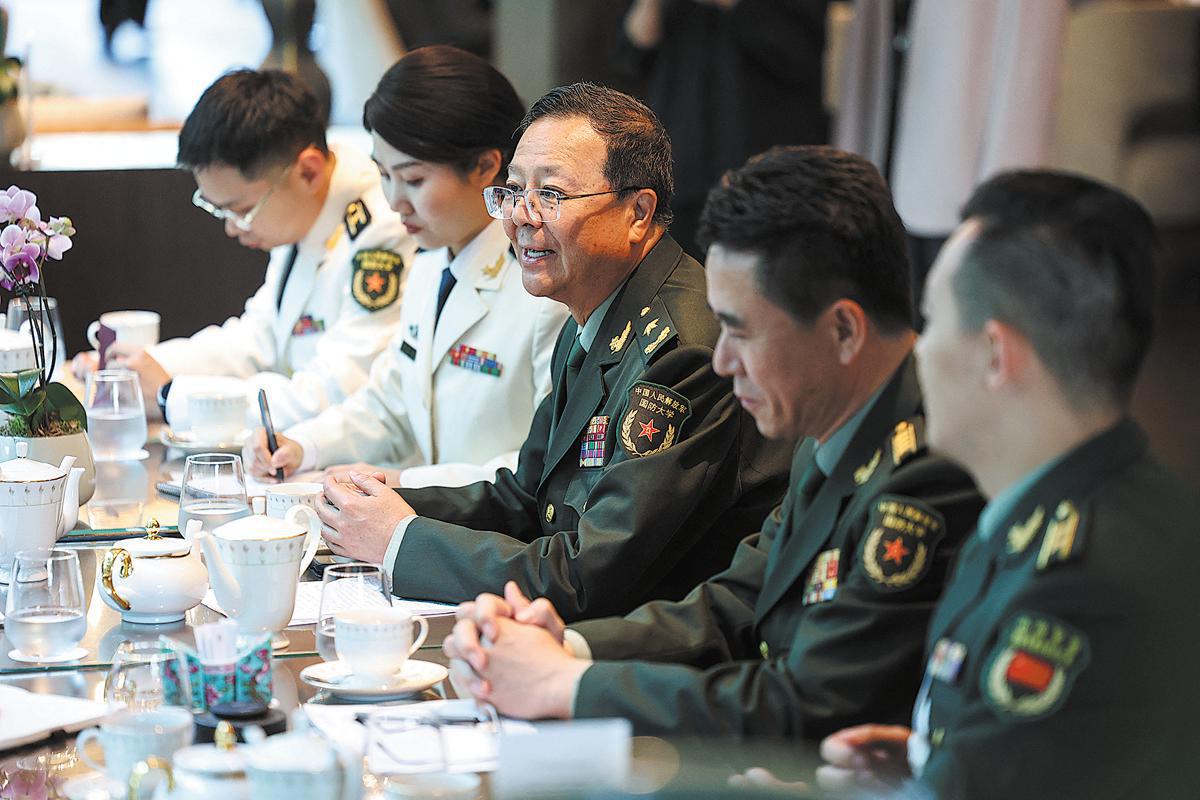
Major General Meng Xiangqing, a professor at China’s National Defense University, made the remarks on Saturday during a parallel session of the three-day Shangri-La Dialogue, which concluded on Sunday.
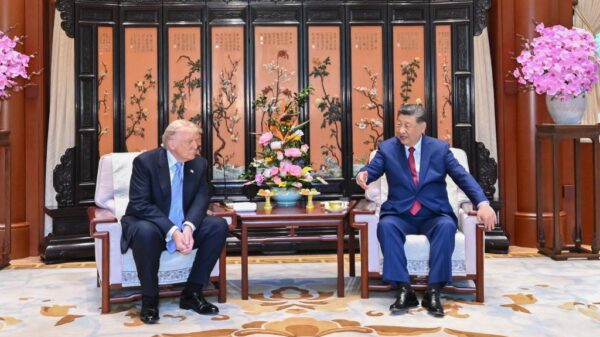
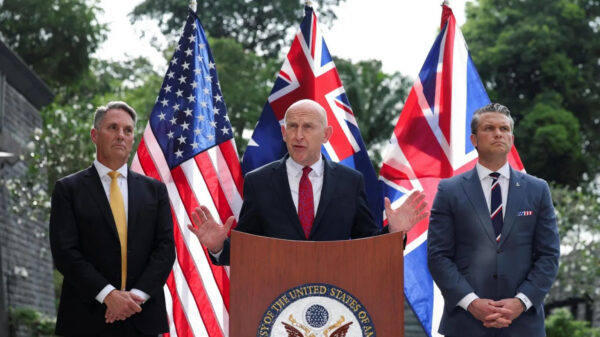
His remarks came after US Defense Secretary Pete Hegseth referred to the recent China-US top leaders’ meeting in Beijing and their consensus, during a plenary speech earlier on Saturday.
Meng said the level of attention the two leaders’ meeting received at the forum showed that stability in China-US relations serves not only the interests of the two peoples, but also regional stability and world peace.
The most important political consensus reached by the two sides is to build a constructive relationship of strategic stability between China and the US, Meng said.
“We expect China and the US to meet each other halfway, translate the consensus into concrete actions, and push military-to-military relations toward healthy, stable and sustainable development,” he said.
Responding to a question from a member of the Chinese delegation after his speech, Hegseth said the new vision of building a constructive US-China relationship of strategic stability is “real, substantive and meaningful for the history of peace in the region and the world”.
Hegseth said he was present when the leaders discussed constructive strategic stability. “I think that was a great framing from both leaders about what they want from that relationship,” he said, adding that there is “a mutual respect, a recognition of capabilities and power and how that could be most usefully leveraged in the world today”.
Wang Dong, a professor at Peking University’s School of International Studies, said that Hegseth’s speech this year contained far fewer negative references to China compared with speeches by US defense chiefs in previous years, and did not mention Taiwan or the South China Sea, two hot topics that had often been cited in the past.
Wang, who participated in the security summit, said the change in Hegseth’s tone reflected a more cautious approach by the US in handling relations with China after the two countries agreed to build a constructive relationship of strategic stability.
“Over the past year or so, China, through engagement and struggle, has made the US realize that it cannot gain an advantage in a trade war with China, and may even face countermeasures from China,” he said. “The US is working with China to build a new paradigm, which is very important for the two countries to find the right way to get along.”
In his speech, Meng, the PLA professor, also warned that global strategic stability faces unprecedented challenges, including the impact of hegemonism on regional security, rising risks of global nuclear conflict, serious erosion of international arms control, disarmament and non-proliferation systems, and disorder in global governance.
Some countries are engaging in power politics, seeking absolute strategic superiority and provoking bloc confrontation, he said, adding that such moves have intensified arms races and regional conflicts.
“These risks are intertwined and mutually reinforcing, making current strategic stability highly fragile,” Meng said, noting that countries, especially major powers, should shoulder their due responsibilities in safeguarding strategic stability.
He called for firmly defending the postwar international order, saying that it is essential to building the political foundation for strategic stability.
“As the world again stands at a crossroads, countries must stay alert to any revival of militarist thinking and firmly safeguard the outcomes of World War II and the postwar international order,” Meng said, criticizing recent actions by the Japanese side in the security and military fields.
On emerging technologies, the scholar warned against a “rules vacuum” in their military use.
“Allowing algorithms to control matters of life and death could very likely lead to technological loss of control,” he said. “At all times, control over war and related weapon systems must be firmly kept in human hands.”
For more visit China Daily
For subscriptions on news from China Daily, or inquiries, please contact China Daily Africa Ltd on +254 20 6920900 or write to enquiries@chinadailyafrica.com