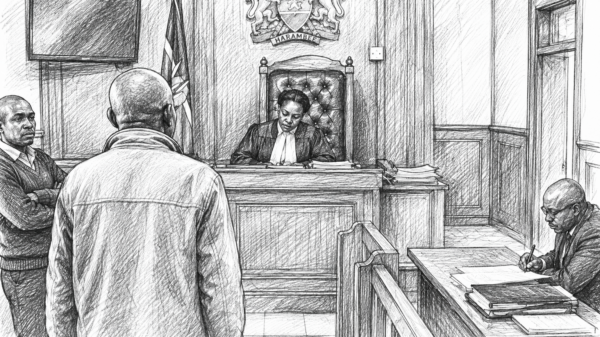


















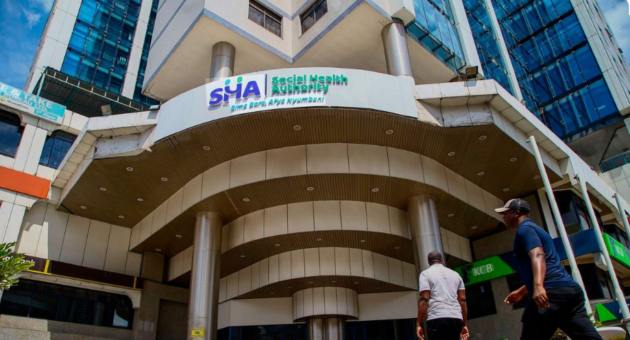

A major ruling by High Court Judge Bahati Mwamunye has settled key legal questions around Kenya’s health reforms—but also exposed serious failures in how they were rolled out.
Here’s what it means in simple terms.
1. Did the Court cancel the health system?
No.
The Court did not cancel:
- The Social Health Insurance Fund (SHIF)
- The Integrated Healthcare Information Technology System (IHITS)
Instead, it allowed both to continue because millions of Kenyans are already using them.
The judge warned that cancelling them would cause a healthcare crisis.
READ: Court upholds Safaricom-led health-tech contract terming procurement gaps insufficient
2. Was the IHITS tender illegal?
No—but it wasn’t perfect.
The Court found:
- The government followed the law in using a special procurement method
- But there were procedural weaknesses, especially:
- Limited transparency
- Weak documentation
- Reduced competition
Still, the Court said these were not serious enough to cancel the contract.
3. Why didn’t the Court stop the tender despite the flaws?
Because:
- There was no proof of fraud or corruption
- Experts—not judges—handle technical evaluations
- The law allows special procurement in urgent or strategic projects
The Court made it clear: Not every mistake equals illegality.
4. Did the Ministry of Health overstep its powers?
No.
Although the Digital Health Agency (DHA) is legally mandated to run the system:
- It was not operational at the time
- It lacked funding, staff, and systems
So the Ministry stepped in.
The Court said blocking the Ministry would have created an “absurd and unworkable” situation.
5. Is SHIF legal?
Yes—fully.
The Court upheld:
- All key SHIF regulations
- The law creating the fund
- The structure of the three health funds
It also ruled that:
- Parliament did not annul the regulations (despite claims)
Bottom line: SHIF is legally valid
6. So what went wrong?
Implementation.
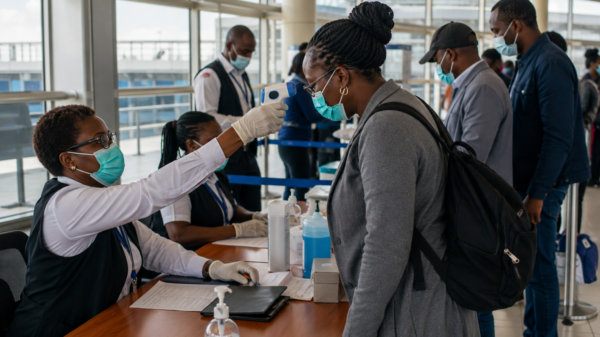
The Court found the rollout on October 1, 2024 was rushed:
- Systems were not ready
- Many Kenyans were not registered
- Hospitals could not process claims
This led to:
- Patients being denied treatment
- Some paying cash despite being insured
- Disruptions in critical care (dialysis, cancer treatment)
7. Did the Court find a constitutional violation?
Yes—this is the most important part.
The rollout violated:
- Right to health (Article 43)
- Right to dignity (Article 28)
The judge emphasized: Rights must work in real life—not just exist on paper.
8. Why didn’t the Court stop SHIF if rights were violated?
Because stopping it now would:
- Affect over 18 million Kenyans already registered
- Collapse ongoing healthcare services
- Create a policy vacuum
Instead, the Court chose a middle ground:
Fix the system without destroying it
9. What is a “structural interdict”?
It’s a court order where:
- The government is forced to fix problems
- The Court keeps supervising implementation
In this case, the government must:
- Submit a fix plan within 90 days
- File quarterly reports for 1 year
READ: Court rebukes govt over hurried SHIF rollout, demands quarterly progress reports
10. What changes must the government make now?
The Court ordered immediate reforms, including:
- No Kenyan should be denied emergency or life-saving treatment
- Fair contribution rules for informal workers
- Better transparency in procurement
- A working complaints system for patients
11. Who “won” the case?
It’s a split outcome:
- Government wins: Laws and procurement upheld
- Petitioners win: Rights violations flagged
- Public wins (in theory): Court forces reforms
12. What should Kenyans watch next?
- Whether the government meets the 90-day deadline
- If hospitals actually stop denying patients care
- Whether SHIF becomes functional and reliable
- Court follow-ups through progress reports
Bottom line
The Court has allowed Kenya’s health reforms to continue—but under pressure.
It sent a strong message: You can build a lawful system—but if it fails people in practice, it becomes unconstitutional.