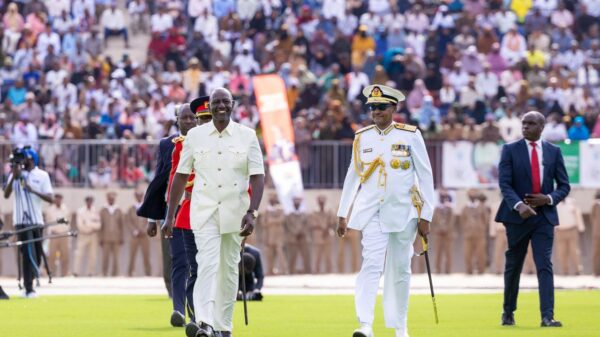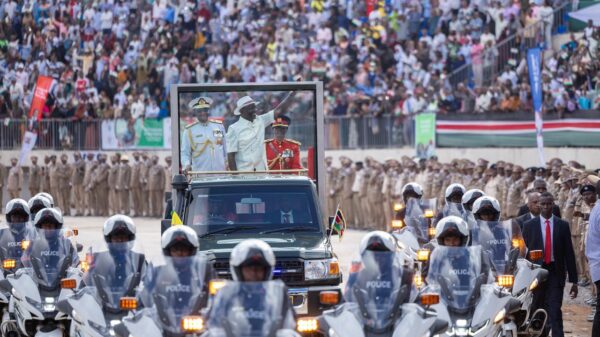







NAIROBI, Kenya, June — President William Ruto has pledged to end decades of exclusion and discrimination against residents of Northern Kenya, declaring that his administration is committed to ensuring equal citizenship, access to opportunities, and development for communities that have long felt left behind.
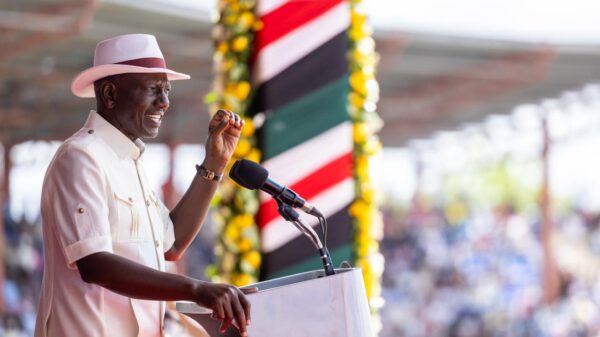
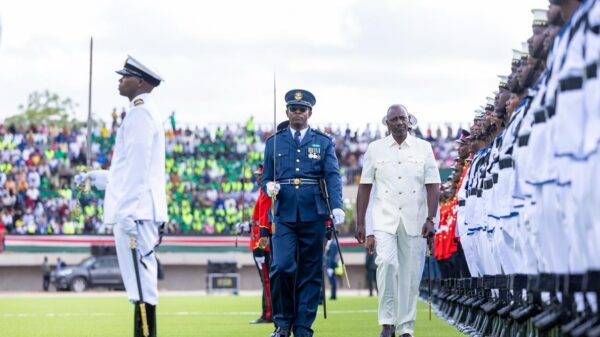
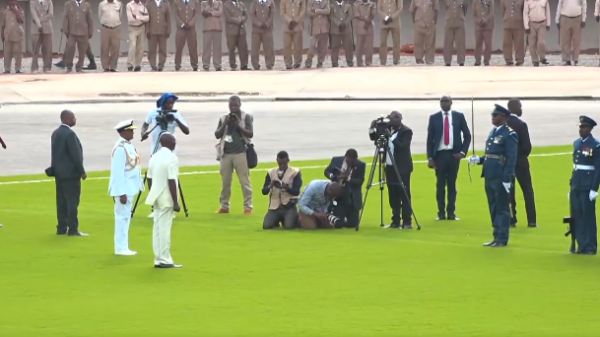
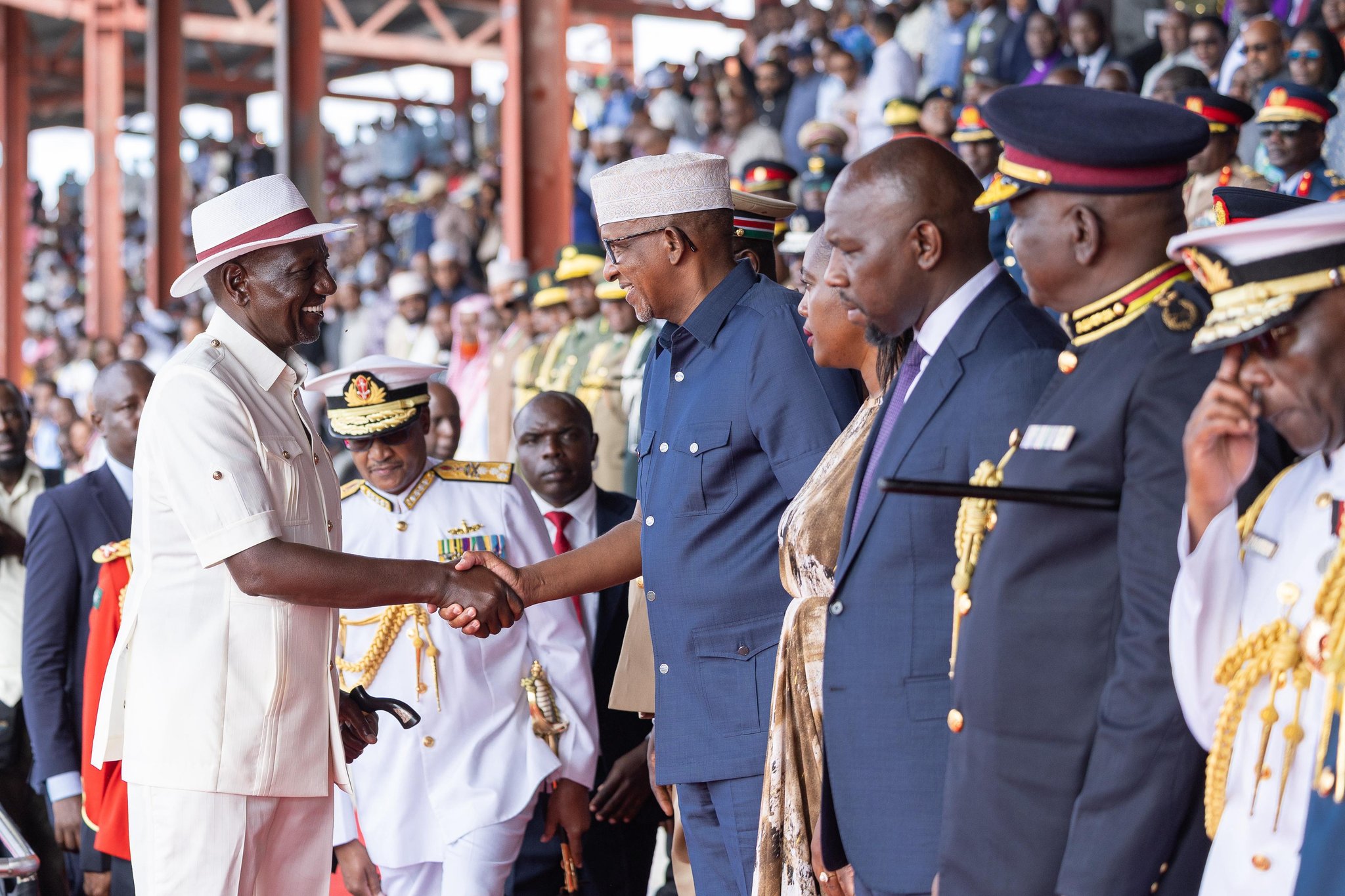
Speaking during the 63rd Madaraka Day celebrations in Wajir County on Sunday, the President said the government is determined to dismantle historical barriers that have denied many citizens in the region access to essential services and economic opportunities.
“I feel you. I feel this moment, and I feel the people of Northern Kenya. I want to assure you that from now going forward, we are going to walk together shoulder to shoulder as one people, one nation, with a common destiny,” Ruto said.
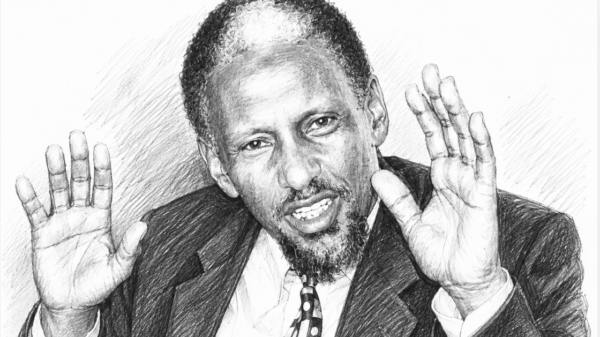
The President used the story of Wajir resident Bakaja Ibrahim Osman to illustrate what he described as decades of systemic discrimination against citizens from Northern Kenya.
According to Ruto, Osman, who was born in Wajir in the early 1960s to parents also born in the county, repeatedly encountered obstacles when applying for a national identity card despite being a Kenyan citizen.
“Every time he was asked for extra documents, subjected to additional vetting and sent from office to office year after year,” Ruto said, adding that Osman’s experience mirrored that of hundreds of thousands of residents across the region.
“For more than six decades, this was the lived experience of citizens who were forced to prove they belonged through a system built on suspicion, ethnic profiling, and bureaucratic humiliation,” he said.
Ruto pointed to reforms introduced in February 2025 when he signed the Presidential Declaration on Registration and Issuance of Identity Cards and Birth Certificates in Northern Kenya and other affected counties.
He said the policy has already begun transforming lives, citing young residents who have obtained identity cards without facing additional vetting procedures.
“Citizens like Abdirahman Ali Osman and Maryam Isaak Mohamed, both born in 2007 here in Wajir County, were among thousands of young Kenyans who turned 18 last year and walked away with their national identity cards. No extra hurdles, no extra documentation, no discrimination, and no humiliation,” he said.
The President emphasized that the reforms were not intended to weaken national security or permit non-citizens to acquire Kenyan documents unlawfully.
“Kenyan identity cards will only be issued to legitimate citizens of this republic,” he said.
“We did not abolish verification of citizenship. We abolished discrimination.”
The President linked the government’s inclusion efforts to its Bottom-Up Economic Transformation Agenda, describing education as the most powerful tool for addressing inequality and unlocking economic opportunities.
“Of all the investments we are making in Northern Kenya, none is more important than education,” he said.
Ruto noted that the national education budget has increased from Sh500 billion in 2022 to more than Sh702 billion today, while over 100,000 teachers have been recruited in the last three years.
To address chronic teacher shortages in Northern Kenya, he said the government has operationalised teacher training colleges in Wajir, Kutulo, and Mandera, complementing the existing Garissa Teachers Training College.
Through an affirmative action programme, the President announced that 1,800 local teachers from Wajir, Garissa, and Mandera counties have been employed and will be deployed within the region.
Additionally, 4,616 students from the region are currently enrolled in teacher training colleges, the highest number recorded in the area’s history.
In a major policy announcement, Ruto directed the Ministry of Education to begin consultations on the formal integration of Duksi, Madrasa, and pastoral instruction programmes into Kenya’s education system.
He said many children in Northern Kenya remain outside the formal education framework because alternative learning pathways have not been adequately recognised.
“Today I direct the Cabinet Secretary for Education to engage all relevant stakeholders and take the necessary measures under the Basic Education Act to consult widely and recommend appropriate measures for the formal integration of the same,” he said.
“This will ensure that every child, regardless of background or circumstance, has a recognised pathway into learning, skills, and opportunity.”
The President said government efforts to promote inclusion extend beyond education to healthcare, youth empowerment, and infrastructure development.
He revealed that approximately 800,000 residents of Wajir, Garissa, and Mandera counties have been registered under the Social Health Authority (SHA), with Sh8.1 billion already paid in claims for services provided in the three counties.
On youth empowerment, Ruto said more than 7,200 young people across Wajir, Garissa, and Mandera have benefited from government entrepreneurship support programmes through access to business capital, training, and mentorship.
He also highlighted ongoing investments in digital hubs, ICT infrastructure, and labour mobility programmes aimed at connecting young people in Northern Kenya to local and international opportunities.
“Our message to the young people of Northern Kenya is simple: your future will not be defined by geography. It will be defined by your talent, your skills, and your determination,” he said.
The President said the government’s broader development agenda seeks to ensure that no Kenyan is disadvantaged because of where they were born, insisting that inclusion, justice, and equal opportunity must form the foundation of the country’s future.
“People like Osman and Maryam no longer feel like strangers in their own country. They feel seen and heard. They feel recognised. They matter and they belong,” Ruto said.