





















NAIROBI, Kenya Feb 3 – Every time you click “accept all cookies,” like a post on Instagram, join free Wi-Fi, or give your phone number at a supermarket, you are paying for convenience, not with money, but with your personal data.
And according to the Data Commissioner, Immaculate Kassait, most Kenyans don’t even realise how valuable that data is.
Speaking during an interview on Capital FM’s Capital In The Morning on Tuesday, Kassait warned that personal data has quietly become the fuel of the digital economy and Kenyans are giving it away for free.
“If you want to know how valuable data is, just look at the digital economy. It is moved by data,” she said.
At first glance, personal data looks harmless: your name, phone number, address, or location.
But Kassait explains that once this information is processed, it begins to tell a detailed story about your life.
It can reveal where you shop, what you buy, where you travel, who you interact with, and even your voting patterns.
“That’s when it moves from just information that identifies you to information that tells deep secrets about you,” she said.
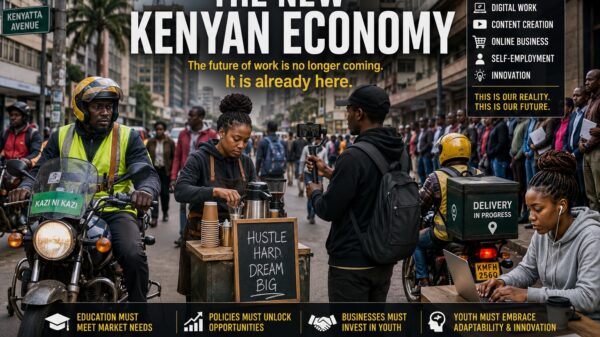
This is the same data that powers targeted ads, online shopping, digital payments, deliveries, and social media recommendations services many Kenyans now rely on daily.
Kassait gave a simple example many Kenyans can relate to.
Recently, she was searching online for a fan because of Nairobi’s heat.
After checking on Google and Instagram, sellers instantly appeared complete with phone numbers and WhatsApp contacts.
Within hours, delivery was arranged.
“That process is fueled by data,” she explained.
Platforms already knew what she wanted, where she was, and how to reach her.
The seller also gained access to her location and contact details enough information to complete a transaction.
“That is the digital economy at work. And it’s powered by data we shared freely,” she said.