









NAIROBI, Kenya, Jun 2 — Kenya is currently screening an average of 3,000 travellers entering the country every day as part of enhanced Ebola surveillance measures, with no case of the deadly disease recorded so far, President William Ruto has said.
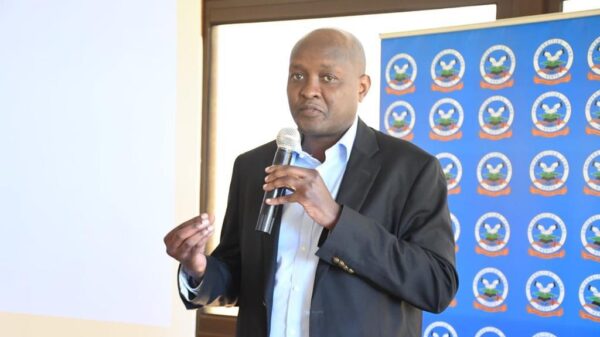
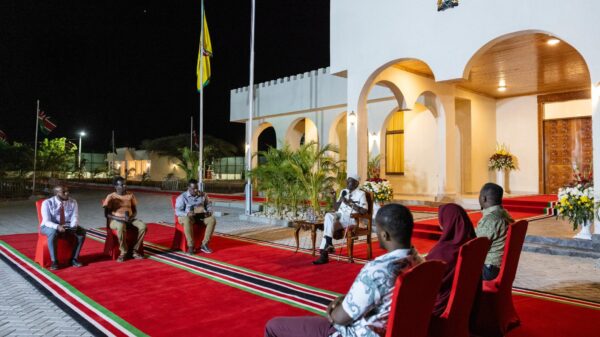
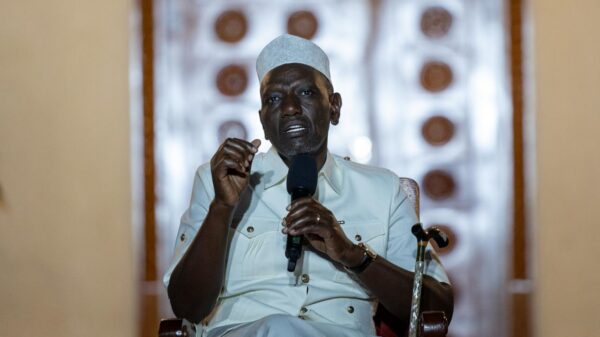
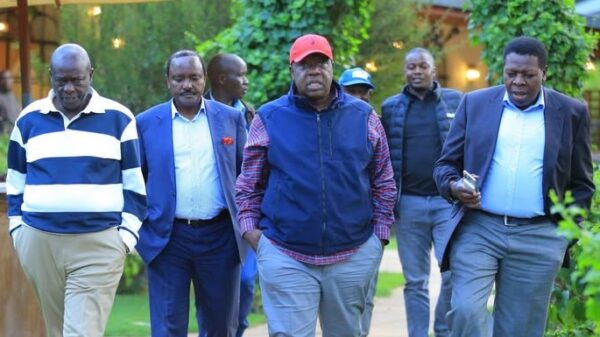
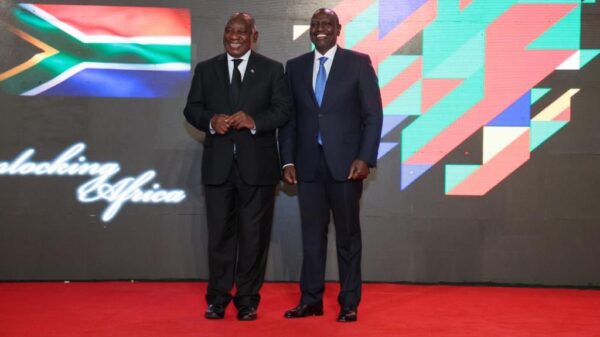
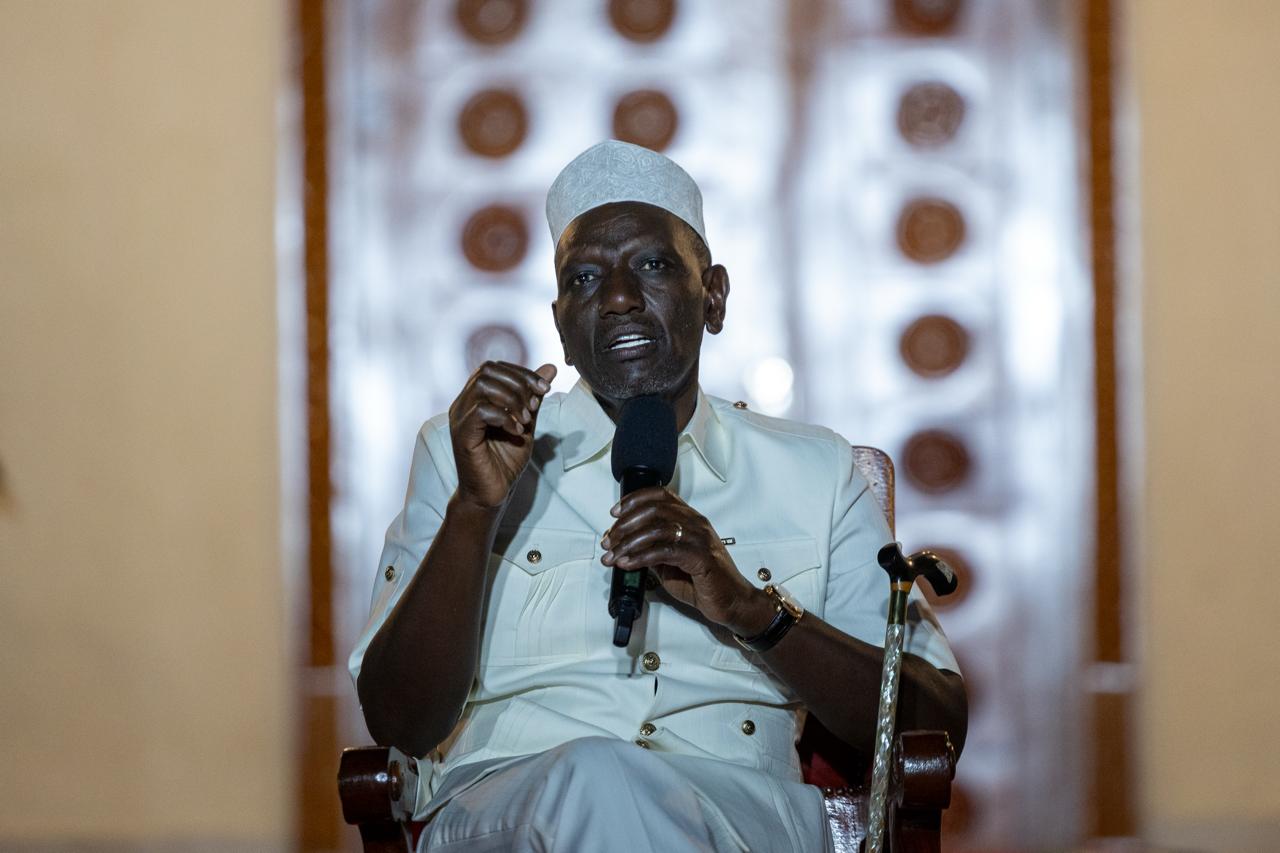
Speaking during a media roundtable at Wajir State Lodge on Monday evening, President Ruto assured Kenyans that the government has put in place robust systems to prevent, detect and respond to any potential Ebola outbreak.
“I want to assure the nation that the Government of Kenya has made adequate arrangements and deployed every arsenal we have to make sure we protect Kenyans,” the President said.
Ruto said health authorities are conducting rigorous screening at all entry points into the country, describing the measures as part of a broader strategy to safeguard public health and strengthen emergency response capabilities.
According to the President, despite heightened vigilance, Kenya has not recorded a single Ebola infection.
The Head of State defended the establishment of a quarantine and disease preparedness facility at Laikipia Air Base, saying it is a critical component of the country’s health security infrastructure and not a response to any existing outbreak.
He noted that the facility is one of 23 similar centres spread across the country and designed to support screening, isolation and treatment should an outbreak occur.
“We are a responsible government, and we know what we are doing,” Ruto said, urging leaders and stakeholders not to politicise public health interventions.
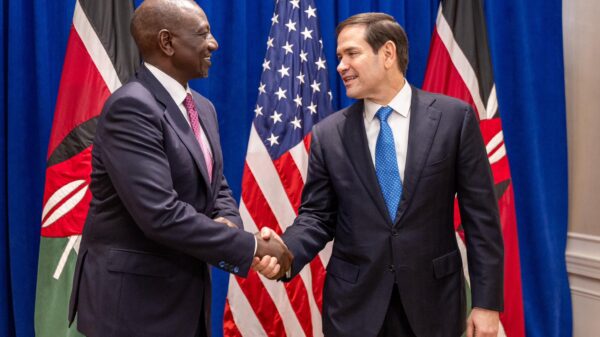
The President explained that Kenya’s preparedness efforts have benefited from longstanding cooperation with international partners, particularly the United States.
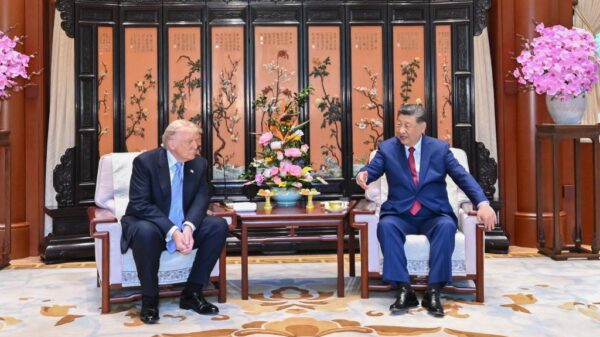
“Our partnership with the American government is mutually beneficial to us and to them. When President Donald Trump asked me to support them by having a centre in Laikipia Air Base, I gave the okay because it is a partnership and agreement with friends who have walked with Kenya for over 40 years on health issues,” he said.
Ruto recalled the role played by the United States in supporting Kenya’s response to major health challenges, including HIV/AIDS and the COVID-19 pandemic.
He emphasized that the Laikipia facility exists solely to protect public health and ensure the country can respond swiftly and effectively to disease outbreaks.
The President cited several other preparedness centres already operational across the country, including facilities at Kenyatta National Hospital, the National Police Service Hospital, Moi Teaching and Referral Hospital, Kenyatta University Teaching, Referral and Research Hospital, and Alupe Hospital in Busia.
While stressing that Kenya remains Ebola-free, Ruto cautioned that the threat of the disease cannot be ignored, especially given the country’s regional engagements.
“We have security people serving in the Democratic Republic of Congo, as well as ordinary Kenyans working there. If they were to be victims of Ebola, we would have a responsibility as a country to treat them,” he said.
The President maintained that preparedness remains a key pillar of national security, saying the government would continue investing in measures aimed at protecting citizens from emerging health threats.