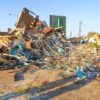


























NAIROBI, Kenya, Jan 11 – The recent building collapses in South C and Karen, Nairobi, have once again exposed Kenya’s persistent construction safety failures, turning what should be isolated incidents into a disturbing national pattern.
Beyond the rubble and rescue operations lies a deeper crisis of weak enforcement, compromised professionalism, and a culture that prioritises speed and profit over human life.
In South C, a residential building under construction collapsed, raising serious questions about compliance with approved plans, site supervision, and material quality. Investigations pointed to poor workmanship and failure to follow structural specifications—issues that mirror findings from numerous past collapses.
Barely months later, a building under construction in Karen came down, killing two people and injuring several others. Preliminary investigations by Nairobi City County revealed structural failure caused by inadequate formwork and substandard materials, including the use of timber gum tree supports instead of required steel props for a double-volume slab.
Despite Karen being regarded as a high-end neighborhood with supposedly stricter oversight, the collapse demonstrated that unsafe construction practices cut across social and economic boundaries.
Both the South C and Karen collapses followed a familiar pattern. Plans had been approved by the county, yet non-compliance during construction ultimately led to failure. This underscores a critical reality: approval on paper does not translate to safety on the ground.
Kenya’s construction industry suffers from poor site supervision or absence of qualified professionals, use of substandard or inappropriate materials, unauthorized alterations to approved designs, inadequate temporary supports during critical construction stages and weak monitoring once projects move beyond approval.
These are not technical oversights—they are deliberate shortcuts.
County governments are mandated to inspect and enforce compliance, but inspections are often inconsistent, underfunded, or undermined by corruption. Stop orders are ignored, while unsafe sites continue operating until disaster strikes.
In both South C and Karen, questions linger about how such serious violations progressed unnoticed or unaddressed until collapse occurred.
Kenyan law already places responsibility squarely on developers and their engaged professionals through indemnity agreements. Yet enforcement after collapses remains weak. Arrests are sometimes made, but prosecutions are slow and penalties rarely severe enough to act as deterrents.
As long as consequences remain minimal, unsafe construction will continue.
Kenya must move decisively from reaction to prevention.
Counties must enforce inspections at key structural stages—foundation, slab casting, and load-bearing works—before construction can proceed.
Architects, engineers, and contractors found culpable should face deregistration, licence suspension, and criminal liability.
Concrete, steel, and formwork systems must be independently tested, with results submitted before approval to continue works.
Geo-tagged inspections, photographic records, and digital permit systems can enhance transparency and accountability.
Developers who flout safety standards should face heavy fines, blacklisting, asset forfeiture, and custodial sentences.
Workers and neighbours must be protected and encouraged to report unsafe construction practices early.
The collapses in South C and Karen are not isolated tragedies—they are warnings. They reveal a construction system that repeatedly fails at the same points, with deadly consequences.
Unless Kenya enforces strict accountability, strengthens inspections, and prioritises safety over profit, building collapses will remain a recurring headline.
The choice is stark, reform the system now, or continue responding to preventable disasters after lives have already been lost.