







Jan 14 – German Chancellor Friedrich Merz’s first trip to Asia has sharpened India’s expectations of progress on a long-stalled free-trade agreement with the European Union, as Berlin seeks to deepen ties with South Asia amid rising global uncertainty.
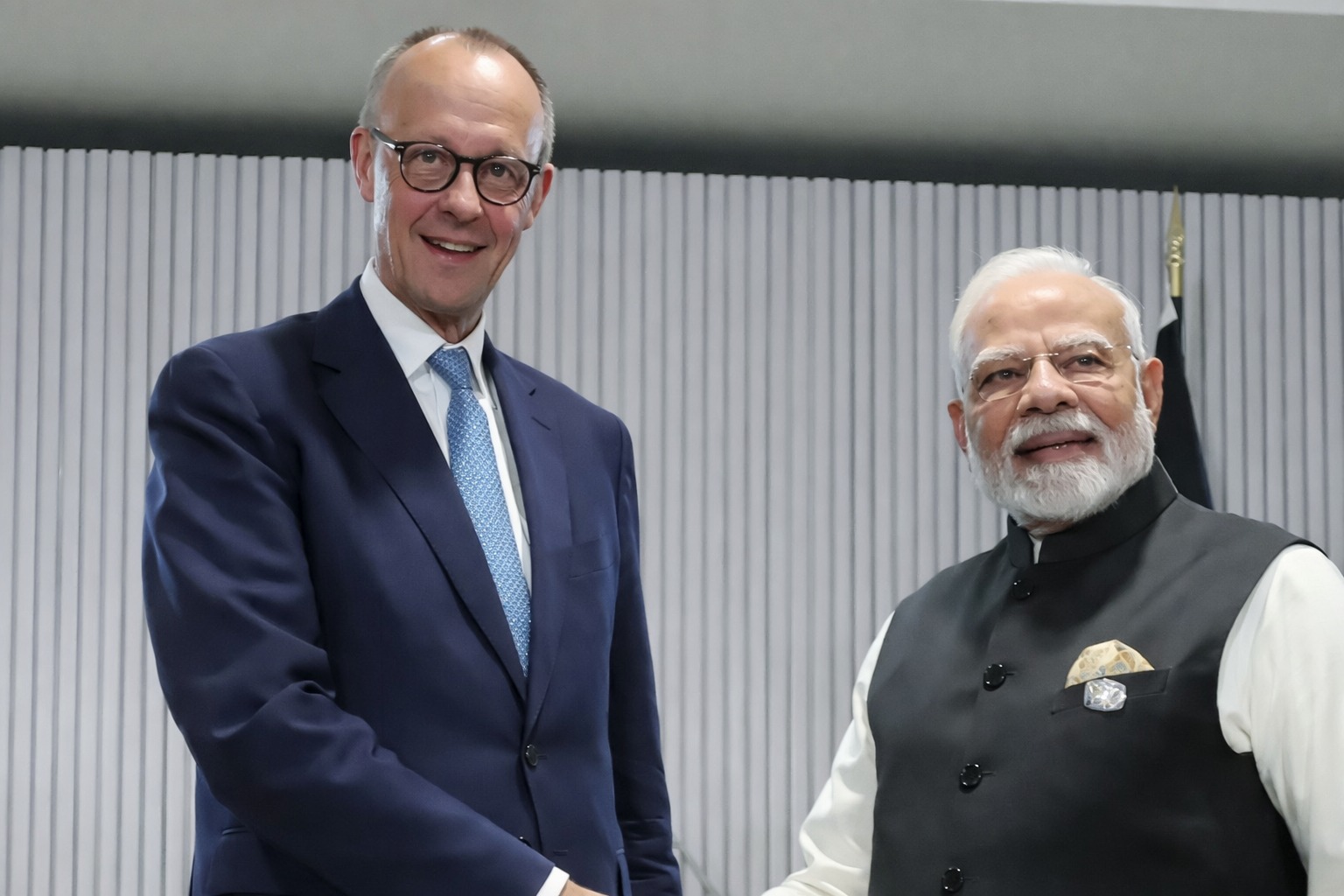
Merz opened his two-day visit on Monday with a stop in Ahmedabad, where he paid tribute to Mahatma Gandhi at his ashram, before joining Prime Minister Narendra Modi at a traditional kite festival. The two leaders were later seen flying kites together from an open-top vehicle.
Talks between the leaders yielded a series of agreements and joint declarations aimed at expanding economic links and stepping up defence cooperation. Bilateral trade reached about US$51 billion last year, and Merz said Germany would push to ускорate the India–EU free-trade negotiations.
Alongside the economic announcements, the two sides also flagged measures including visa-free transit for Indian passport holders and a new framework to recruit Indian healthcare workers in Germany—both long-standing priorities for New Delhi.
India’s Foreign Secretary Vikram Misri told reporters that Merz had spoken of a shifting world order and growing instability, arguing that these dynamics made it “ever more important” for India and Germany to elevate their partnership. Misri said the Chancellor also underscored Germany’s “very strong support” for an early conclusion to the India–EU negotiations.
The free-trade talks—first launched in 2007 and revived in 2021—have reached a pivotal moment amid a geopolitical backdrop shaped by US tariff pressures, the war in Ukraine and a renewed unpredictability in Western politics.
Uday Chandra, a Delhi-based political analyst, said Merz’s visit signalled that Berlin views India as both a strategic and commercial partner.
“There’s an emphasis on accelerating an India–EU trade deal and widening cooperation in emerging technologies and security,” he said. “The deliverables suggest a package approach: trade facilitation, critical tech and green transition, alongside an explicit security dialogue.”
Merz said he hoped the India–EU free-trade pact could be signed at a summit on January 27.
Misri added that European Commission President Ursula von der Leyen and European Council President António Costa were expected in Delhi in the coming weeks to move the discussions “towards a favourable conclusion”.
High-level engagement between India and the EU has intensified over the past year, including an unprecedented visit by the EU College of Commissioners to Delhi last February, which set timelines for progress on the deal.
Germany already accounts for about a quarter of India’s trade with the EU, but both sides say there is significant room to grow. Misri said there was “scope for doing much, much more”, adding that the India–EU talks were not directly linked to separate negotiations India is pursuing with the United States.
Those talks with Washington have dragged on for months, largely over US demands for wider access to India’s politically sensitive agriculture and dairy sectors.