


















BUSIA, Kenya, Jul 1 — The county government of Busia has stirred-up efforts to boost the farming of edible oils in readiness for the operationalization of the Industrial park and Export processing zone at Nasewa.
The chairperson Agriculture committee in the county Assembly of Busia Beatrice Kanoti noted that structures are already in place with current county policy of enrolling 1000 farmers per ward into cooperatives with a common goal based on the edible oil crop of their choice.
Speaking outside the assembly, Kanoti said the department of Agriculture has received a boost with an allocation of Sh716 million which is 10 per cent of the total budget expenditure. This comprises Sh253 million as recurrent expenditure and Sh564 million for capital expenditure.
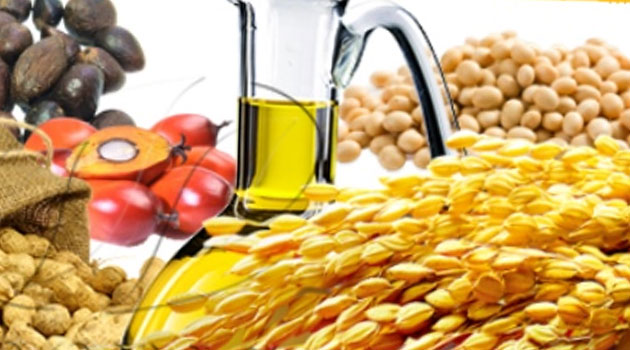
“Every meal prepared in most households utilises edible oils. As a county we want to capitalize on the gap to increase production of oil seed raw materials such as soybeans, simsem, groundnuts, cotton, palm and sunflower from over 35 000 farmers who will be enrolled in cooperatives,” noted Kanoti.
Amukura West Ward MCA Dr. Bonface Erute echored the sentiments urging the community in Busia to practice intercropping to ensure they have food on the table besides and money in their pocket a way to avert poverty.
“Research has shown that in Busia, maize does well when intercropped with beans or other legumes. Intercropping boosts production and helps farmers make best use of their farm that is why we are advising farmers not to abandon maize farming but instead cultivate it alongside edible oil crops like soybeans, groundnuts,” said Dr. Erute.
Intercropping
Recommended legumes for intercropping in Kenya according to research by Kalro include beans, pigeon peas, cowpeas, groundnuts and Soybeans.
“The intercropping system of maize-legumes-squash is a low input and high yield strategy in the tropics. Maize yield is increased by as much as 50 per cent over monoculture yield. Although the yields for legumes and squash are reduced, the overall yield for the 3 combined crops is greater than when grown separately in monocultures,” added Dr. Erute.
Busia governor Dr. Paul Nyogesa Otuma has prioritized revitalization farming of cotton and edible oils to ensure they are leading cash crops for Busia.
“Bunyala, Samia, Teso North and Teso South sub counties have favorable soil for cotton farming which will be our target in reviving Mulwanda cotton ginnery, whereas Butula, Nambale and Matayos has the greatest potential in producing edible oils that can feed this country,” said Otuma during Agriculture expo in Busia early this month.
According to Kalro Alupe director Dr. Moses Mudavadi, Busia county has the ability to produce over 3000 metric tonnes of edible oils with research underway at Alupe following the planting of over 10000 oil palm trees.
“We did soil sampling and discovered that Busia County has great potential in edible oils. Already we have planted over 10,000 oil palms, we have 4000 seedlings ready for distribution all with the aim of cutting the cost of importing oil,” said Dr. Mudavadi.
Edible oil potential
The prices for groundnuts in recent days have increased drastically from Sh150 per kilo in 2020 to Sh350 giving hope to farmers to venture in.
Groundnut farming is one of the business opportunities to consider as a lucrative startup in agriculture. Groundnut is a nutritious edible seed and a source of healthy oil makes it profitable for anyone wanting to start the farming business.
“Gone are the years where farming was a hand to mouth kind of activity. In this modern day and age farming has turned into agribusiness and it’s the reason why farmers have to be selectively conscious with the type of crops they want to venture into,” said Kanoti.
The chair of Agriculture added that, “this time around it is of economic importance to venture into cash crops that are able to wipe your sweat. Red groundnuts is one of such crops that can repay you this farming season.”
Kenya is a large importer of vegetable oil and crude palm oil, mainly from Malaysia and Indonesia, part of which is exported to Uganda.