


















MOMBASA, Kenya, May 3 — Pregnant women have been urged to prioritise regular prenatal check-ups to enable early detection of complications and ensure proper monitoring of fetal growth.
Speaking during a pregnancy fair at a Mombasa Hospital, Resident Obstetrician and Gynecologist Dr Tanwira Chiragdin advised women to embrace regular prenatal visits to detect complications early and monitor fetal development through ultrasound and heart rate checks.
The oldest hospital in Mombasa, established in 1891, runs a comprehensive programme that supports expectant women through antenatal care, delivery, and the postnatal period.
The day-long event targeted 150 expectant women from diverse backgrounds. The one-stop pregnancy fair brought together exhibitors, including nutrition specialists, pharmaceutical companies, and insurance firms.
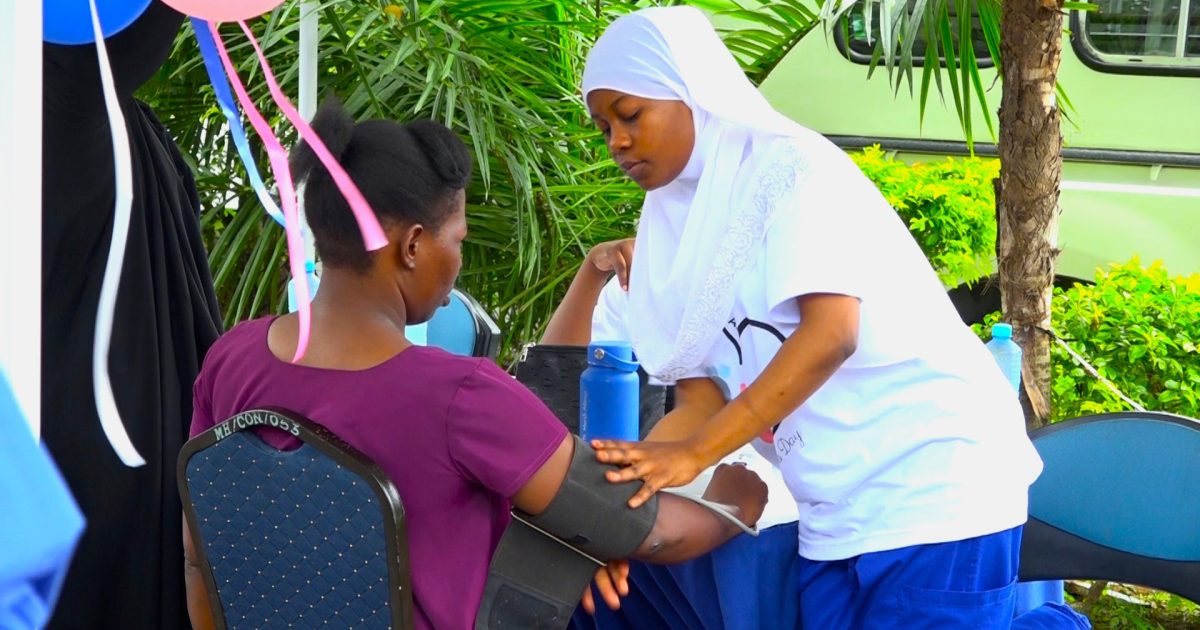
Participants received free childbirth classes, fetal heart monitoring, and medical check-ups. They were also educated on the importance of routine check-ups, proper nutrition, and the role of exercise in maintaining a healthy pregnancy.
“The objective is to educate the mothers, to make them pre-informed, we inform them on the importance of having a hospital delivery and to come for the regular check-ups,” stated Dr Chiragdin.
She added, “We try to promote health in the mothers by giving them a health talk, advising them on nutrition, the supplements to take and the importance of coming for regular checkups.”
The Gynecologist further explained that routine visits help prevent conditions such as anaemia through iron supplementation and enable monitoring of blood pressure to detect and manage potential complications early.
“We also promote health by giving them health education, how to take care of themselves, their nutritional status and in the postnatal period, the danger signs in the baby and also vaccinations for the baby, and we also promote breastfeeding in the mothers.”
Expecting women were encouraged to initiate breastfeeding within half an hour after birth to reduce mortality risk, support temperature regulation, and ensure newborns receive colostrum.
Women with underlying health conditions were advised to plan pregnancies early through pre-conception care to ensure their conditions are well managed.
“They must make sure if they have a thyroid disease, if they are diabetic, if they have heart conditions, to optimise the disease to make sure that the disease is in control and in check before they plan for the pregnancy. We call it pre-conceptional care,” advised Dr Chiragdin.
In the first trimester, screening is conducted for conditions such as HIV, Hepatitis B, syphilis, and diabetes, alongside early ultrasound scans to confirm the baby’s location and viability.
During the second and third trimesters, further scans are done to detect abnormalities, while urine tests help identify kidney-related complications and guide delivery planning.
The hospital also offers educational classes that equip mothers with knowledge on what to expect during pregnancy, recognise danger signs, and prepare for childbirth.
Faith Masibo, an expectant mother, lauded the initiative, noting that the sessions were informative and provided an opportunity to interact with other pregnant women and share experiences.
“I now know the supplements that I need to take, something that I didn’t know before,” she said.
Brevelyn Benta, from the Good Mind team and one of the sponsors of the fair, encouraged women to use certified pharmaceutical products from accredited manufacturers during pregnancy.
“You find that during this period they tend to be more delicate. That’s the reason as to why they are supposed to use certified products to prevent any infections during this time,” said Benta.
Alex Wambua, from Britam, underscored the importance of medical insurance cover for expectant women to ease access to quality services during pregnancy and delivery.
“It’s important to have cover. Instead of being stressed when you go to deliver, you can get insurance to cover you. You can go to deliver without stress if you have insurance,” he said.