






NAIROBI, Kenya, Nov 3 — The Southern African Development Community (SADC) Election Observer Mission (SEOM) has declared that Tanzania’s 2025 general election failed to meet the bloc’s democratic standards, citing intimidation of opposition leaders, restricted freedoms, and a lack of transparency throughout the electoral process.
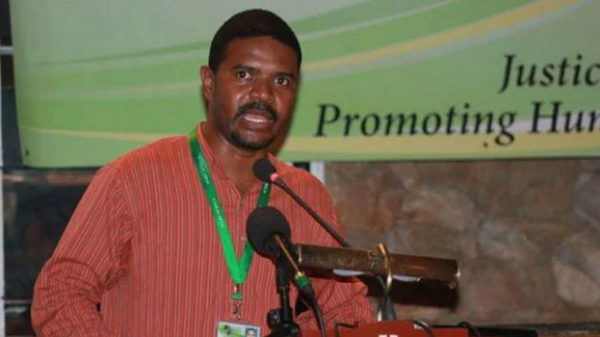
Delivering the preliminary statement in Dodoma on Monday, former Malawi Speaker of Parliament Richard Msowoya, who led the SADC mission, said that while voting day was largely peaceful, “in most areas, voters could not freely express their democratic will.”
He noted that the election “fell short of the requirements of the SADC Principles and Guidelines Governing Democratic Elections (2021)”, a benchmark for free, fair, and credible polls among member states.
The mission reported systematic exclusion of opposition candidates through arrests, disqualifications, and intimidation — including the detention of opposition leader Tundu Lissu on treason charges.
SEOM said these actions undermined Tanzania’s multiparty democracy and discouraged voter participation.
“Such measures created an uneven playing field and effectively curtailed the electorate’s ability to make a genuine choice,” the statement read.
Internet shutdown, media censorship
The Observer Mission also raised concerns about internet shutdowns, media censorship, and restricted access for international observers during the polls.
Some SEOM members were reportedly interrogated by security forces, forced to delete photos, and temporarily had their travel documents confiscated.
Suluhu sworn in for second term amid protests and blackout
The mission further criticized constitutional provisions that bar courts from challenging presidential election results or decisions made by the Independent National Electoral Commission (INEC), calling them obstacles to transparency and accountability.
“These provisions limit oversight over the entire electoral process,” SEOM said, urging constitutional and electoral reforms to allow judicial review and the participation of independent candidates.
It also questioned the independence of the electoral commission, noting that its members are appointed by the president — who also serves as chairperson of the ruling party and was a candidate in the election.
Observers reported low voter turnout, with some polling stations deserted, attributing this to “widespread fear and disillusionment” amid arrests, curfews, and a heavy security presence.
Deception
While the pre-election period appeared calm, SEOM said this “peace” was deceptive, masking “covert acts of intimidation” and “a tense and fearful political atmosphere.”
The mission also flagged low female representation, with only three women among 17 presidential candidates, and noted limited participation of youth and persons with disabilities.
On media coverage, SEOM observed that state-owned outlets favored the ruling party, while private media engaged in self-censorship due to fear of reprisals.
The mission urged the government to pursue comprehensive reforms, including allowing independent candidates, enabling judicial review of presidential election results, guaranteeing the protection of election observers, and enhancing gender and youth inclusion in politics.
“In view of the Mission’s observations, and mindful of the preliminary nature of this statement, it is SEOM’s tentative conclusion that the 2025 General Election in Tanzania did not meet the standards of democratic elections,” Msowoya stated, promising a final report within 30 days.
Call for calm
Despite its critical assessment, SEOM appealed for calm, urging Tanzanians to resolve grievances through lawful channels and avoid violence.
The report was released the same day President Samia Suluhu Hassan was sworn in for a second term at a military base in Dodoma, breaking with Tanzania’s long-standing tradition of public inaugurations.
The ceremony closed to the public, and held under tight security at the Tanzania People’s Defence Force parade grounds, was attended only by senior government and security officials.
It was aired live on state-run TBC, but independent journalists and foreign guests were barred from attending.
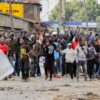
President Samia, 64, who was declared the winner with 98 percent of the vote, took the oath amid a nationwide internet blackout, curfews, and reports of protests and killings in several cities.
Her main challengers were either jailed, disqualified, or placed under surveillance, leaving her without significant competition.
The muted ceremony contrasted sharply with previous Tanzanian inaugurations, which traditionally drew thousands of cheering citizens, diplomats, and regional leaders.