


















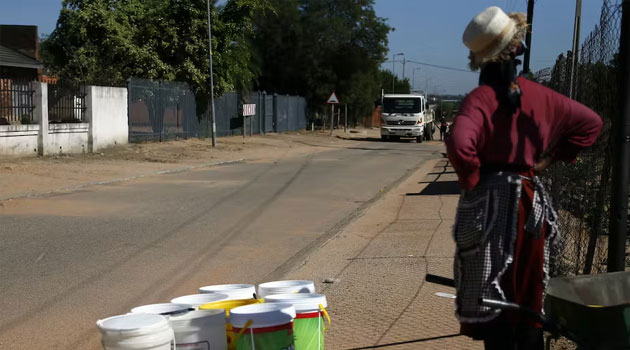

A new report by South Africa’s Department of Water and Sanitation paints a grim picture of the quality of the country’s drinking water, and its water infrastructure. The Blue Drop Audit Report is meant to ensure that water service authorities are held accountable for providing safe drinking water. The Conversation Africa put questions to water expert Anja du Plessis.
What are the worst aspects found by the audit?
The audit report found that the quality of the country’s drinkable water is getting worse. Nearly half (46%) of all water supply systems pose acute human health risks because of bacteria or other pathogens in the drinking water supply.
The report also found that more than two thirds (67.6%) of all wastewater treatment works are close to failure. On top of this it showed that over 47% of all clean and treated water was lost through leaks, or could not be accounted for.
The national Blue Drop Risk Rating is an assessment focused on critical risk areas within water services. It looks at water supply systems at a specific moment in time. This year’s report showed that the overall risk had dropped from 52.3% in 2022 to 47.15% in 2023 after some water supply systems made improvements and improved their risk category from critical or high to medium or low risk.
But this should not be celebrated. To achieve Blue Drop certification, water supply systems must meet 95% of the criteria for delivering clean, drinkable water – and only 26 of South Africa’s 958 water supply systems managed this.
The report found that several water supply systems were operating close to or beyond their design capacity. Monitoring and compliance were severely deficient. This makes fixing problems impossible as the scale of the issues at stake aren’t being identified.
What does it mean for residents when water supply systems are in “poor and critical” condition?
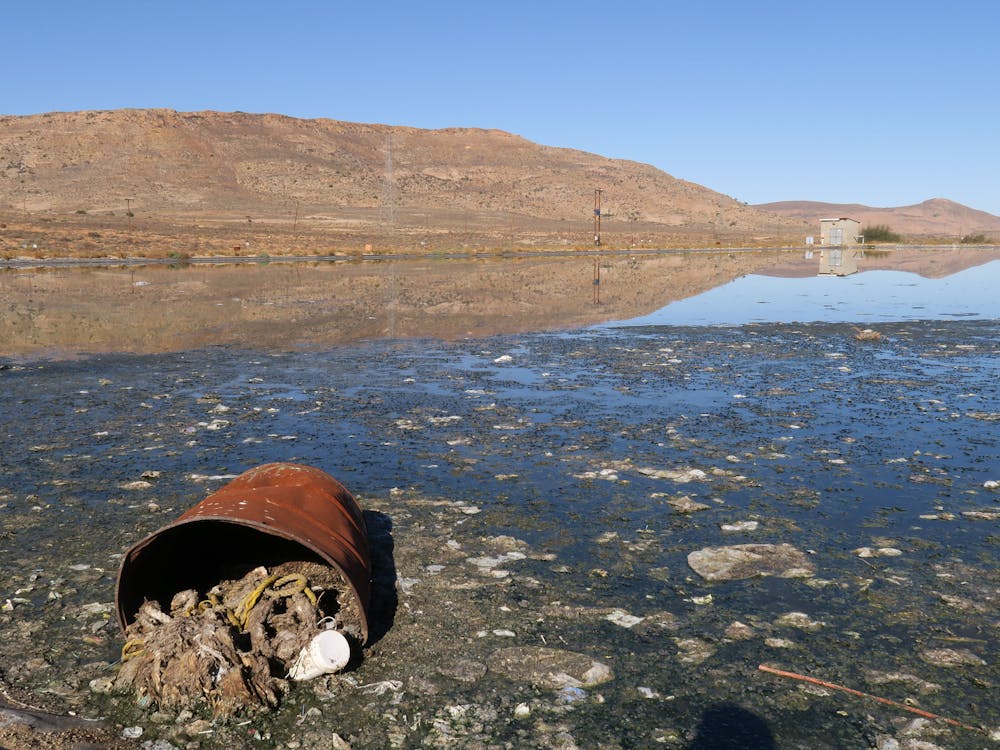
The report said that in 23 parts of the country, water supply systems are in “poor and critical condition”. Almost half of all water supply systems (46%) do not comply with microbiological standards. In these water supply systems, drinking water is contaminated by sewage and bacteria. Viruses and parasites such as Legionella and Cyanobacteria may have grown in the piped water systems and or water sources.
These present acute health risks, such as gastro illnesses with diarrhoea usually being the prime symptom. Other primary waterborne illnesses can include cholera, dysentery, hepatitis A and typhoid.
Read more: Cholera in South Africa: a symptom of two decades of continued sewage pollution and neglect
Another problem the report highlighted was that more than half of the country’s municipalities (57%) do not notify water users when they discover that the water has been contaminated. Not issuing notices or warnings of contaminated drinking water places citizens at risk of contracting waterborne illnesses and is an unacceptable practice due to the possible serious health repercussions of drinking contaminated water.
Why are water plants in poor condition?
Water plants generally lack technical and management capacity and competency. The Blue Drop report showed that water supply systems across the country need an additional 400 qualified people – 203 technical staff and 197 scientists. It also found that about 67% of water treatment works staff had no training at all over the audited period.
Monitoring of water quality is also lacking. There can be no informed management practices if water supply system managers do not know the status of their water.
Despite investments in infrastructure upgrades, extensions and refurbishments, many of these systems still failed both regulatory standards and engineering and workmanship standards. Non-payment of contractors, laboratories and service providers are ongoing problems, as well as vandalism and theft.
These problems result in defective infrastructure, inadequate chemical purification of the water, a lack of monitoring, and lack of operating and chemistry knowledge and skills.
The report says R1.5 billion (US$79 million) is needed to fix the problems. What should the priorities be?
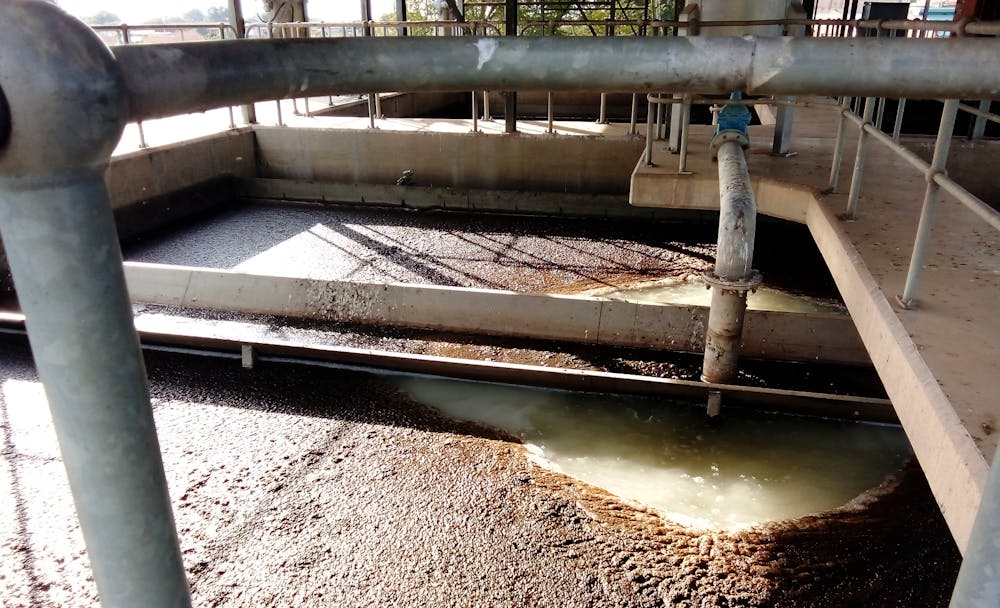
The lack of technical and management capacity and competency needs to receive major attention. Even if a facility is state of the art, it will not function properly without the required skilled and experienced personnel.
The poor drinking water quality, lack of monitoring and unaccountability needs to receive immediate attention because of the human health risks involved. We cannot afford another tragic case such as Hammanskraal in South Africa’s Gauteng province, where 31 people died of cholera in May 2023 after drinking contaminated municipal water.
The finances of these poor and critical water supply systems also need to be investigated to determine where the money has been spent. We can literally not afford to keep on throwing money at these failing systems and not show any positive progress in actually functioning and adhering to set standards.
Anja du Plessis | Associate Professor and Water Management Expert, University of South Africa
Disclosure statement
Anja du Plessis does not work for, consult, own shares in or receive funding from any company or organisation that would benefit from this article, and has disclosed no relevant affiliations beyond their academic appointment.