



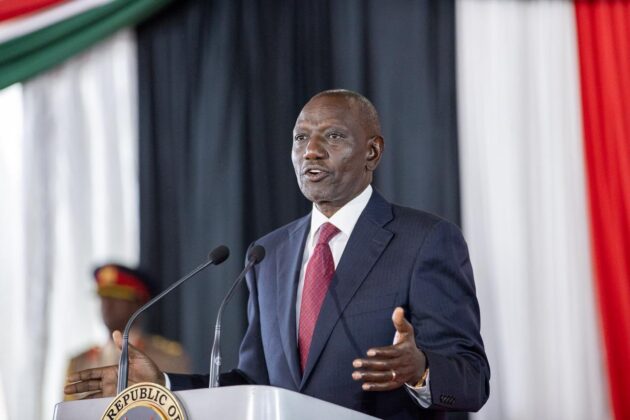

NAIROBI, Kenya, May 28 – President William Ruto has denied claims that his administration pressured transport sector leaders into calling off their strike, insisting the decision was reached voluntarily after discussions on the country’s fuel situation.
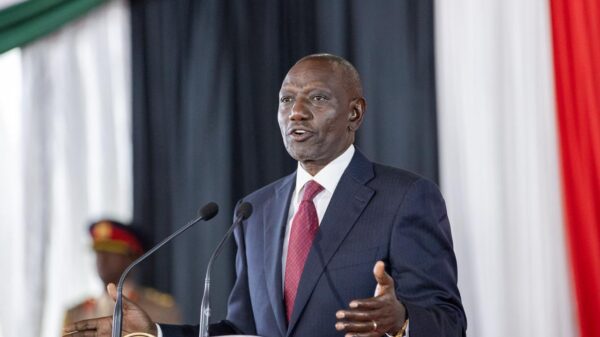
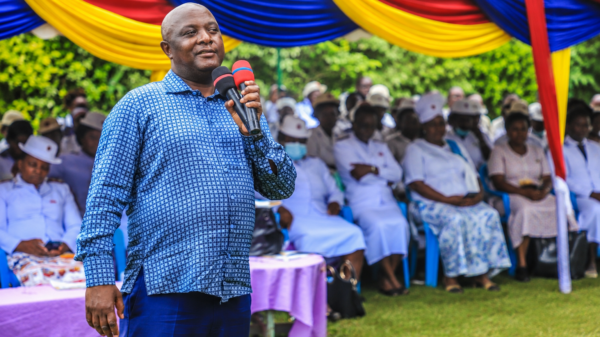
Speaking during the National Prayer Breakfast Thursday, Ruto said he held a nearly three-hour meeting with transport sector representatives in Mombasa, where government officials explained the realities of fuel pricing, subsidies, and lessons from past fuel crises.
“When we finished, they told me, ‘Mr President, we are going to call off the strike.’ I did not tell them to call off the strike,” Ruto said.
The Head of State dismissed suggestions that the transport leaders had been influenced or compelled by the government, saying their decision was informed by facts presented during the discussions.
“I know many people say they were influenced this way and that way. Maybe they were by facts, of what the situation is,” he said.
Ruto said the meeting, which lasted nearly three hours, revisited the 2022 fuel crisis that marked the beginning of his administration, when the country grappled with fuel shortages, long queues at petrol stations and pressure on foreign exchange reserves.
“In fact, the first team that I met when I was declared president was oil marketers, because we had a crisis,” he said.
The President defended his administration’s approach to fuel pricing and subsidies, warning against what he described as reckless subsidy policies that previously cost taxpayers billions without guaranteeing stable supply.
“For a whole year, we had to pay close to Sh150 billion to Sh160 billion in subsidies without fuel,” he said. “We must be students of history and experience. We do not want to repeat mistakes.”
Ruto argued that unlike previous crises, Kenya currently has stable fuel supply across the country, attributing it to what he called prudent government intervention.
“Today we have fuel in all our petrol stations, unlike other countries,” he said.
He revealed that the government is currently cushioning consumers through fuel subsidies, saying the actual market price of diesel would be significantly higher without state support.
“The actual price of diesel should be Sh273. It is Sh232. We are subsidising more than Sh40 for every litre,” Ruto said, adding that the government has spent Sh28 billion in the last two months to stabilise prices.
The President also offered a personal detail from the meeting, saying transport sector leaders asked him to pray with them after agreeing to withdraw the strike notice.
“The most interesting part is when we finished and stood up, they told me, ‘Mr President, pray.’ And I prayed,” he said.
Dangote’s Refinery
Beyond immediate interventions, the President said his administration had developed a long-term strategy aimed at reducing dependence on imported refined petroleum products.
“And even the crisis on fuel, we not only have a short-term plan, but we have a long-term one as well,” he said.
Ruto revealed plans for a regional refinery project, saying Kenya was in discussions with neighbouring countries to process fuel locally using resources from the region, including Turkana oil.
“We have found the mechanism on how to get our fuel in Turkana and those in the rest of the region refined here in our region,” he said.
According to the President, exploratory engagements initiated about six months ago led government officials to industrial projects associated with businessman Aliko Dangote, prompting wider regional consultations.
“When I sent my team about six months ago to look around, they came across dangote and what he is doing. They came back to me and I reached out to President Museveni and colleagues in this region, and we have agreed. This year, we are going to start building the refinery here,” he said.
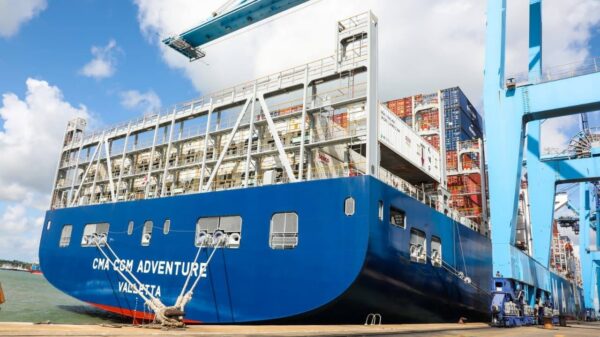
The proposed refinery President William Ruto referred to is a planned regional oil refinery project expected to be built in Mombasa, drawing inspiration from Nigerian billionaire Aliko Dangote’s mega-refinery model in Lagos.
The facility is being discussed as a major East African energy project aimed at reducing the region’s dependence on imported refined petroleum products.
According to recent reports, Dangote has expressed interest in establishing a refinery in East Africa and is said to favour Mombasa over Tanzania’s Tanga port, citing Kenya’s deep-water port, established petroleum infrastructure and access to a larger regional market.
If approved, the refinery would potentially have a capacity similar to the Nigerian Dangote refinery about 650,000 barrels of crude oil per day making it one of the largest industrial investments in East Africa.
Ruto claimed there was resistance from existing international fuel suppliers who stood to lose business if the region moved to local refining.
“I had a chat with Dangote yesterday and he was telling me how much resistance has been built by the people we are buying fuel from now, because they want us to continue buying their fuel,” he said.
However, the President defended the plan as a necessary step toward long-term economic transformation, arguing that difficult decisions were required to secure the country’s future energy independence.
“But we have to make those decisions that will change our country, that will transform our country,” he said. “Some of the time we have to forego convenience, temporary convenience, for long-term transformation.”
Ruto also recounted that after the Mombasa talks, transport leaders asked him to pray with them, an encounter he used to underscore his message on faith and national resilience.
“The most interesting part is when we finished and stood up, they told me, ‘Mr President, pray.’ And I prayed,” he said.