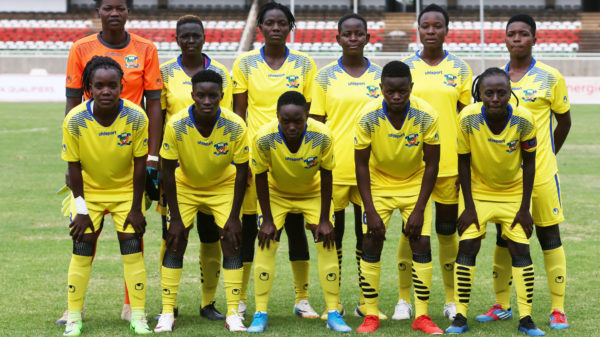
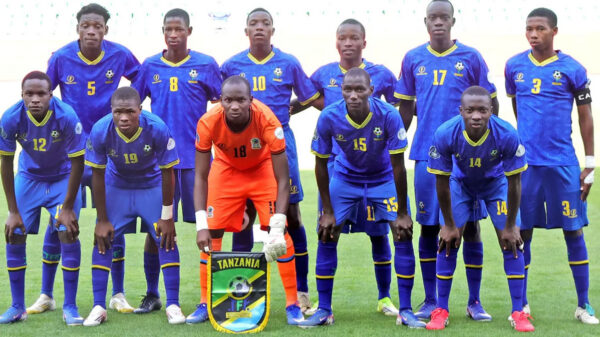









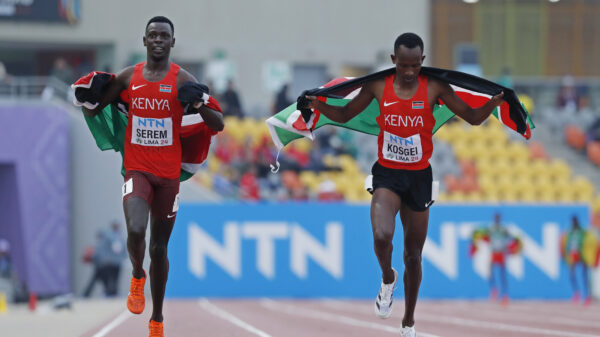

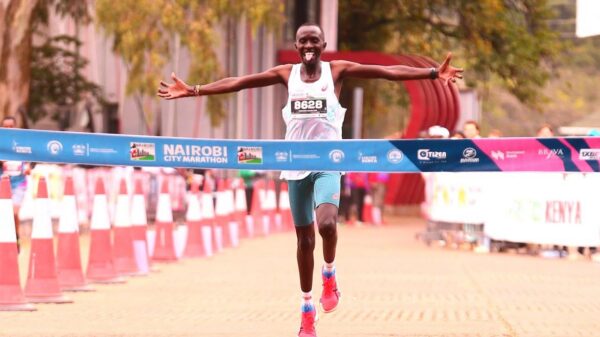
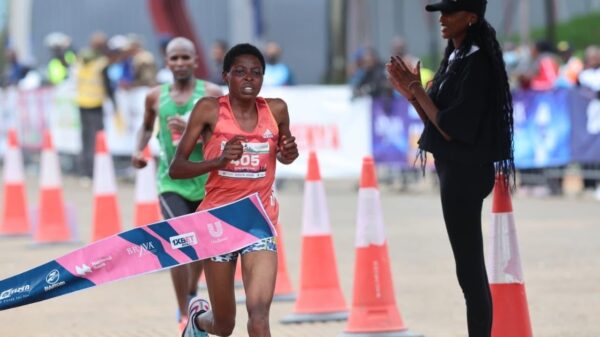
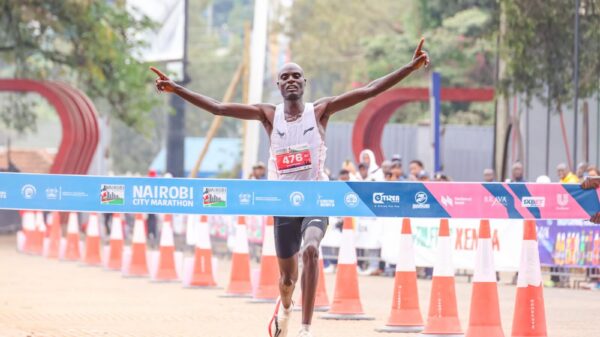







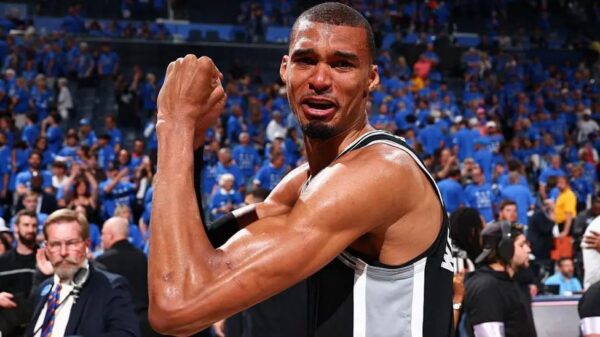


NAIROBI, Kenya, Mar 8 – Kenya’s rich athletic heritage is a testament to the nation’s inherent sporting prowess.
However, the challenge lies not just in celebrating current achievements but in cultivating a sustainable talent pipeline that stretches from primary school all the way to elite levels.
To ensure the seamless transition of talent across educational stages, Kenyan sports administrators must adopt a strategic and multifaceted approach.
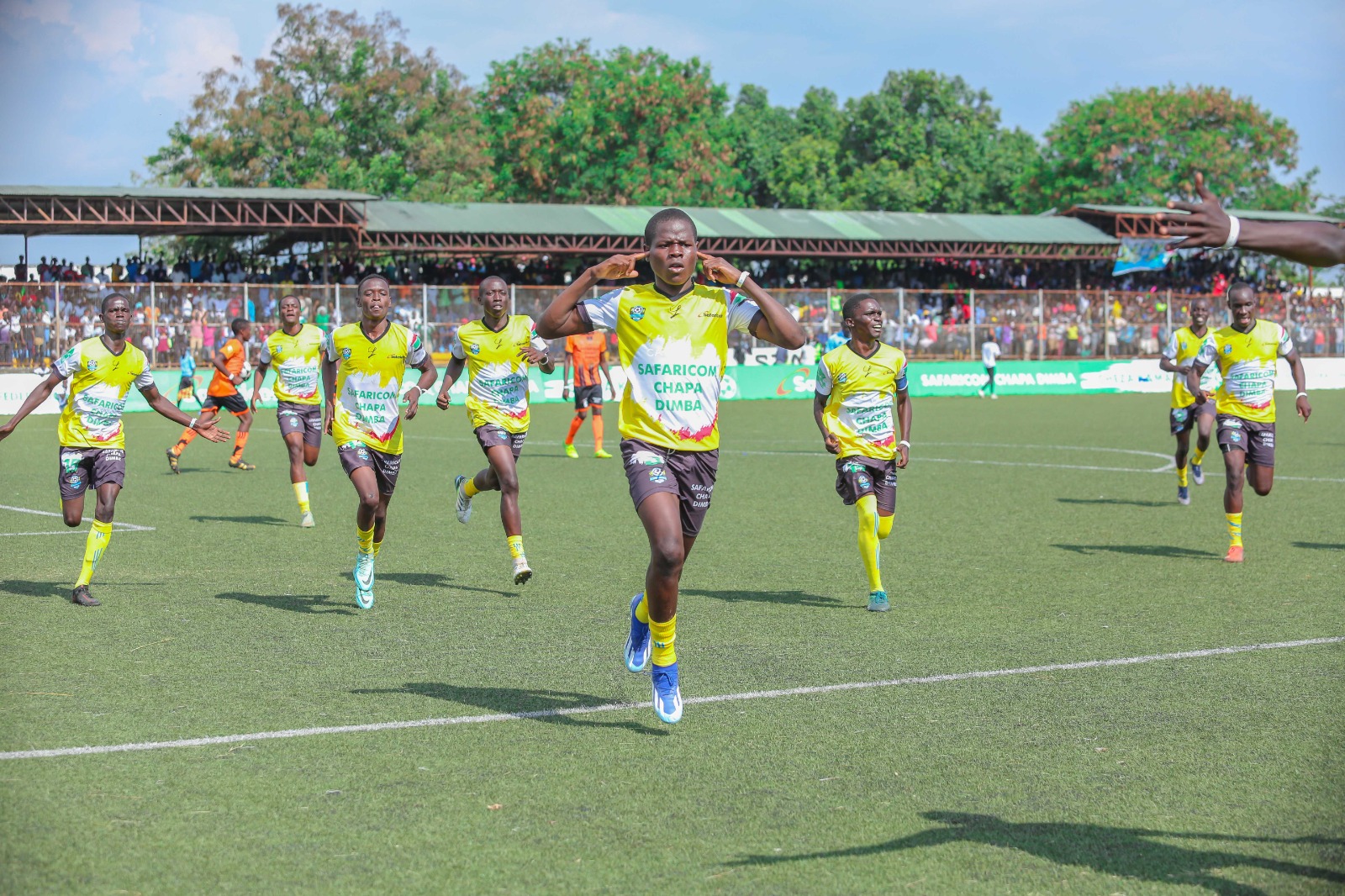
1. Invest in Grassroots Development: The foundation of elite-level success begins at the grassroots. Sports administrators should channel resources into identifying and nurturing talent at the primary school level.
Initiatives such as talent identification programs, inter-school competitions, and community-based events can serve as crucial platforms for spotting and nurturing budding athletes.
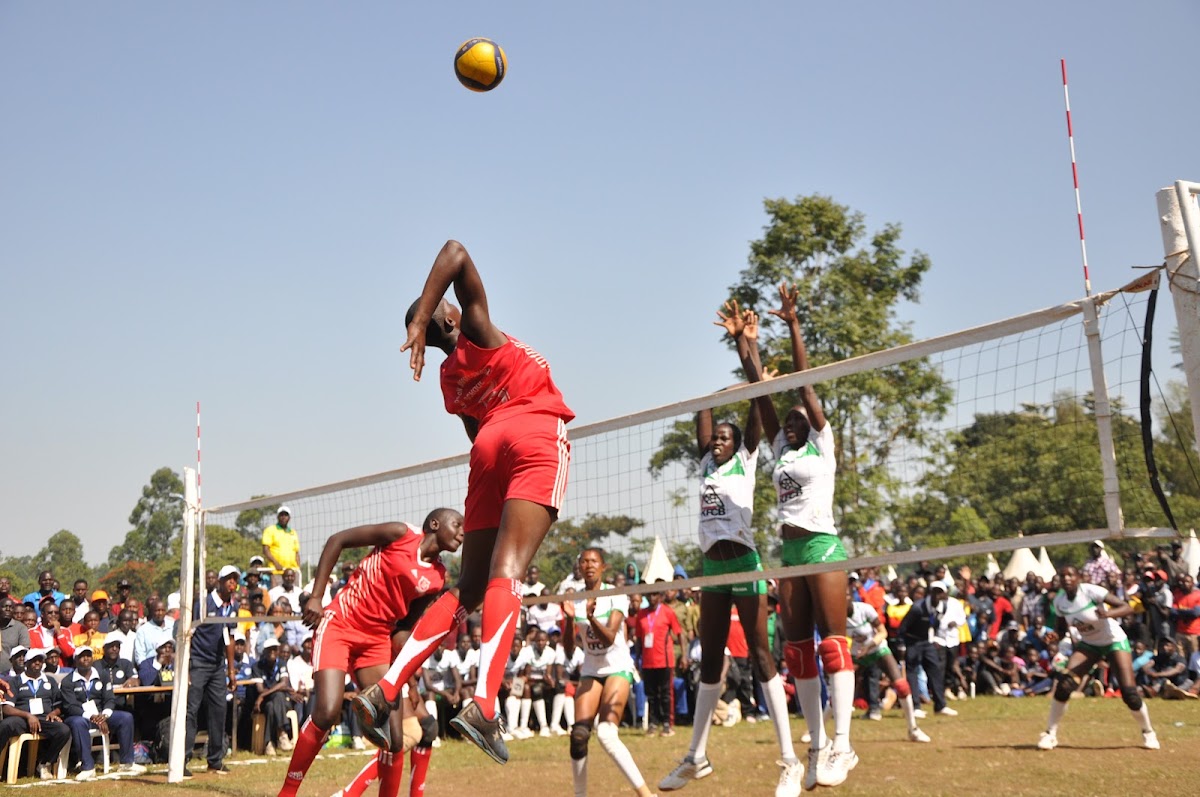
2. Strengthen School Sports Programs: High schools often serve as breeding grounds for future sports stars. Administrators must prioritize the enhancement of sports programs in schools, ensuring that they have access to quality coaching, facilities, and competitions. Inter-school leagues and championships can create a competitive yet supportive environment for athletes to hone their skills.
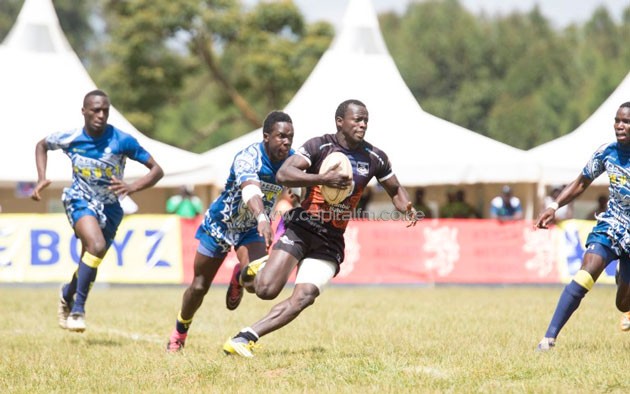
3. Bridge the Gap with Tertiary Institutions: Transitioning from high school to tertiary education should not mean a halt to athletic development. Kenyan sports administrators must collaborate with universities and colleges to create specialized sports programs, scholarships, and mentorship opportunities.
This synergy ensures that athletes continue to receive the support needed to balance academics and sports at the tertiary level.

4. Establish Robust Coaching and Mentorship Networks: A critical element in talent development is the quality of coaching and mentorship. Administrators should invest in training and accrediting coaches who specialize in nurturing young talent.
Establishing mentorship programs with experienced athletes and professionals can provide invaluable guidance, imparting not only technical skills but also crucial life lessons.

5. Provide Scholarships and Incentives: Financial constraints should not be a barrier to talent development. Administrators should explore avenues for offering scholarships and financial incentives to exceptional young athletes.
This not only motivates students to excel in sports but also ensures that those with potential are not held back due to economic challenges.
6. Foster a Holistic Approach: Success in sports should not come at the expense of academic pursuits. Administrators should advocate for the integration of sports into the academic curriculum, emphasizing the importance of a holistic approach to education. This ensures that aspiring athletes receive the necessary training while also pursuing academic excellence.

7. Create Exposure Opportunities: Building bridges between educational institutions and elite-level sports organizations is crucial. Administrators should organize national tournaments and exposure events that attract scouts and talent spotters. This provides young athletes with opportunities to showcase their skills and be identified for higher-level training programs.

8. Embrace Technology for Talent Tracking: Utilizing technology for talent tracking and data analytics can be a game-changer. Administrators should invest in systems that monitor and evaluate the progress of athletes throughout their educational journey, identifying strengths, areas for improvement, and potential interventions.
In essence, Kenyan sports administrators hold the key to unlocking the full potential of the nation’s sporting talent.
By fostering a comprehensive and supportive ecosystem that spans primary school, high school, and tertiary education, administrators can ensure that Kenya’s legacy of sporting excellence continues to thrive for generations to come.
The investment in the development of young athletes is not just an investment in sports; it is an investment in the future of the nation.
–Michael Kwambo is a retired rugby player and the Kenya Rugby Union Communications Manager–