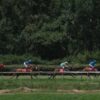





















NAIROBI, Kenya, June 4 – For decades, horse racing in Kenya occupied a unique but distant space within the country’s sporting culture. Long associated with colonial influence, exclusivity and elite social circles, the sport remained largely dominated by European communities, with limited participation and visibility among ordinary Kenyans.
But times are changing.
In recent years, horse racing in Kenya has begun experiencing a noticeable cultural shift, slowly transforming from a niche sporting tradition into a growing social and entertainment phenomenon attracting a broader local audience.
Sunday race days are no longer simply about horses, jockeys and finishing lines. They have evolved into lifestyle experiences, vibrant gatherings blending sport, fashion, music, networking and family entertainment into one dynamic atmosphere.
The ambience surrounding horse racing events has become one of the major drivers behind its recent rise in popularity.
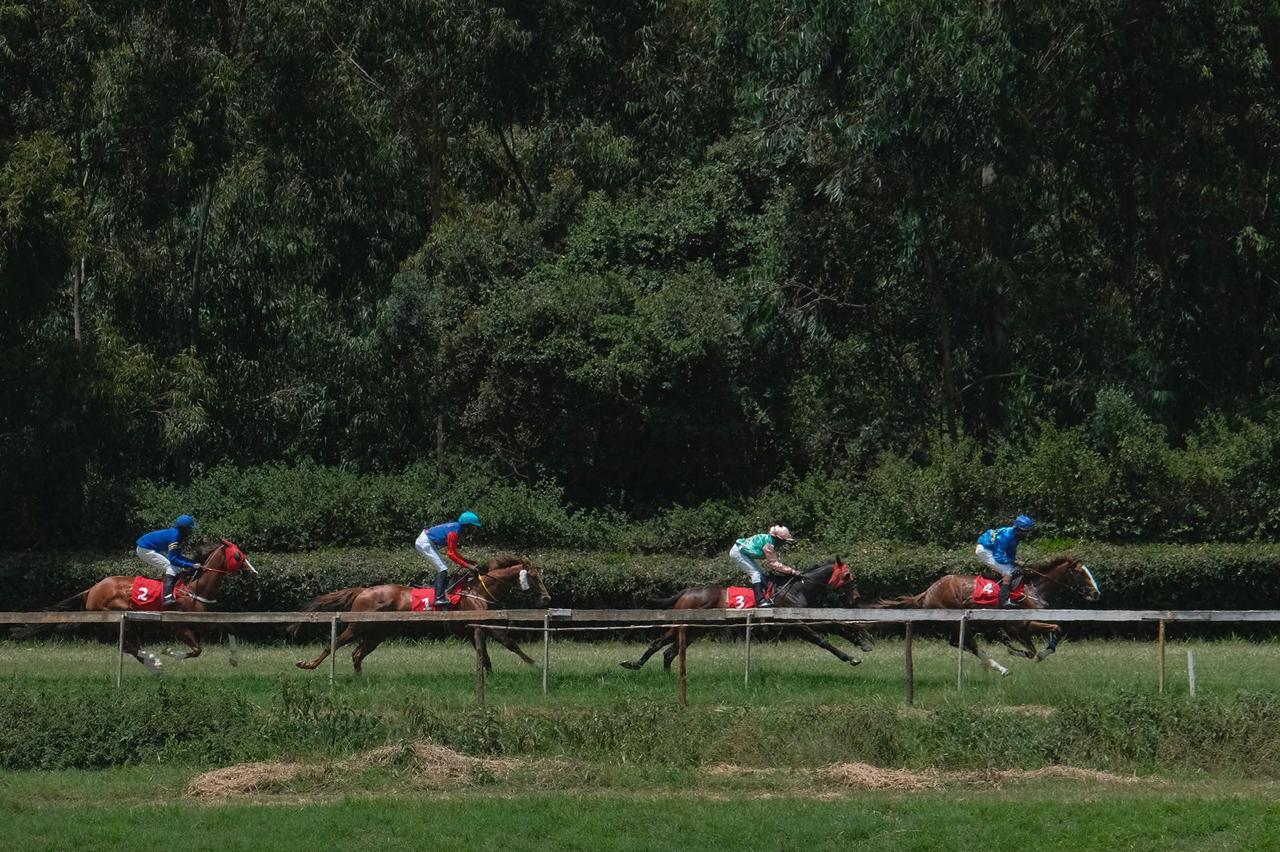
For many Kenyans, the appeal extends beyond understanding race cards or studying horses’ form. It lies in the complete experience. The fashion statements, curated music lineups, food experiences, social interactions and outdoor atmosphere have turned race meetings into events capable of attracting both dedicated racing enthusiasts and first-time visitors alike.
The horse racing venue is increasingly becoming a space where different generations and social backgrounds converge.
Young professionals, families, creatives, sports lovers and curious newcomers are finding their place within an environment that feels more open, modern and culturally engaging than ever before.
This growing appreciation represents an important shift for a sport that, for many years, struggled with perceptions of exclusivity.
Historically, horse racing in Kenya was viewed as a preserve of expatriate communities and upper-class social circles, inherited largely from the colonial period.
The sport’s structures, participation patterns and audiences reflected that reality for decades. However, a gradual local embrace is beginning to redefine that narrative.
More Kenyans are becoming interested not only in attending races but also in understanding the sport itself, from the athleticism of thoroughbred horses to the skill, discipline and strategy required from jockeys, trainers and stable teams.
Behind the glamour and entertainment lies a highly demanding sport built on preparation, precision and teamwork.
The growth of horse racing also speaks to a broader trend within Kenya’s sporting and entertainment landscape, the increasing demand for experiences that combine competition with lifestyle culture.
Modern audiences often seek more than just the sport itself; they seek moments, environments and communities.
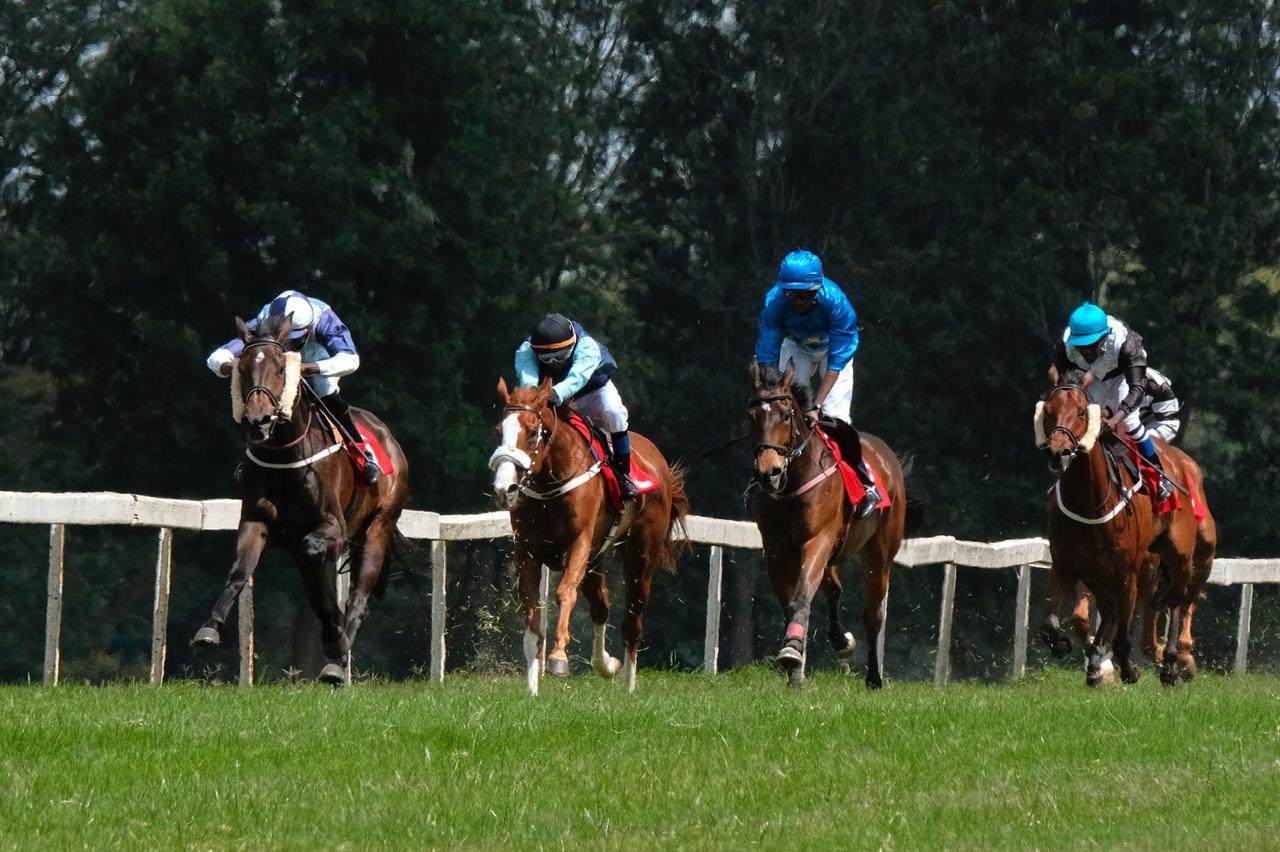
Horse racing’s ability to merge sport with social culture, fashion and live entertainment has allowed it to carve out a distinctive identity within Kenya’s event scene. Yet with this growth comes an important opportunity.
The continued expansion of horse racing in Kenya will depend on how successfully the sport can broaden local participation, accessibility and grassroots engagement.
Questions surrounding affordability, youth involvement, public awareness and pathways for local talent remain important if the sport is to build a truly sustainable future.
Can more Kenyans become owners, trainers, jockeys and key stakeholders within the industry? Can the sport move beyond event-day attraction and create deeper community involvement?
Those questions may shape the next chapter of horse racing in Kenya. What remains clear, however, is that the sport is entering a new era.
Once viewed as distant and exclusive, horse racing is steadily finding a stronger local voice, powered by atmosphere, culture, entertainment and a growing curiosity from Kenyans eager to experience something different.
And on Sundays, that transformation is becoming increasingly difficult to ignore.