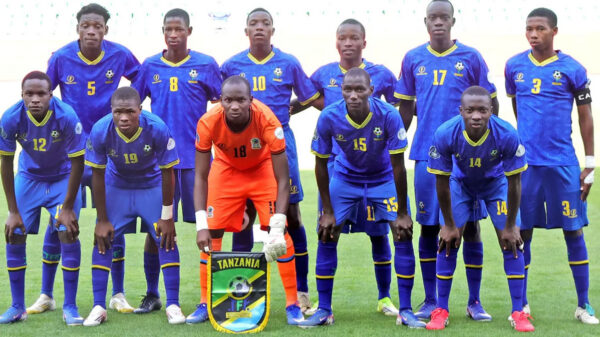


























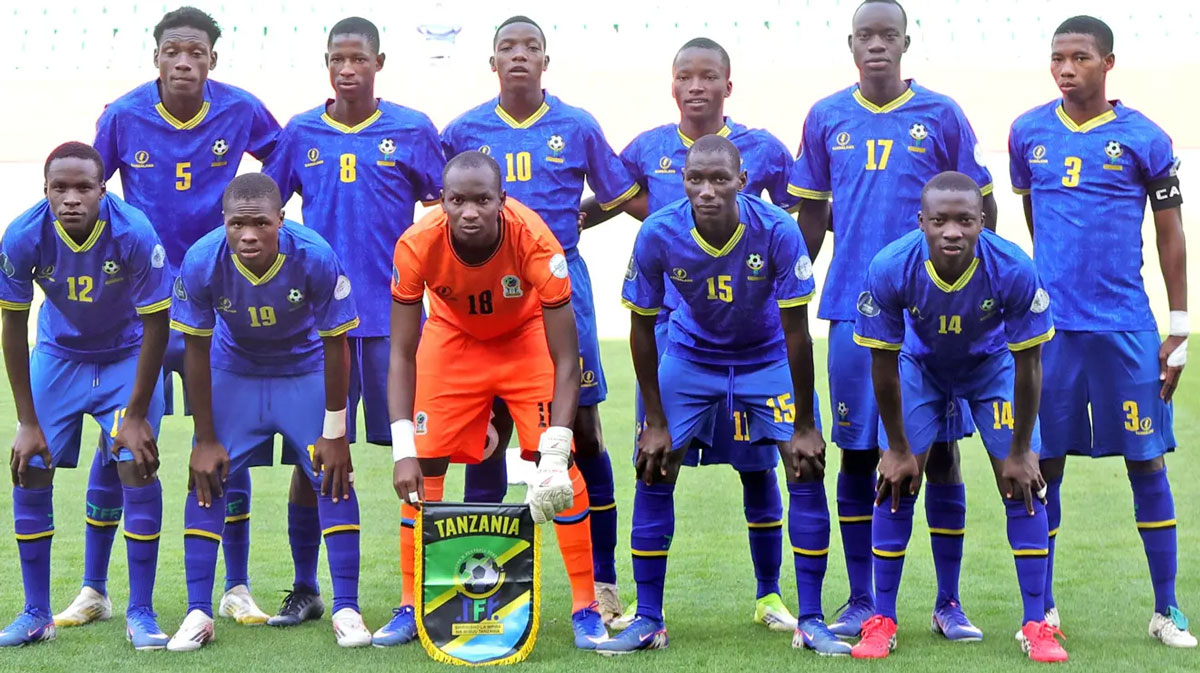

NAIROBI, Kenya, Jun 4 – The CAF Under-17 Africa Cup of Nations final in Morocco was more than just another youth football match. For Tanzania, reaching the final against continental powerhouse Senegal represented years of planning, investment and belief finally taking shape on one of Africa’s biggest youth football stages.
For many, Tanzania’s appearance in the final may feel like an overnight success story. But in reality, it is the product of deliberate work done behind the scenes by the Tanzanian football ecosystem, from federation structures to youth academies and talent development pathways.
Over the past few years, Tanzania has increasingly shown commitment towards building football from the ground up.
Investment in youth structures, academy football, scouting networks and organised competition has slowly begun producing visible results.
Their youth teams are becoming more competitive, their young players are receiving better developmental environments, and the country is beginning to establish a clearer football identity.
Reaching an AFCON Under-17 final is not accidental. It is evidence of a system beginning to function.
-Lessons For Kenya-
For neighbouring Kenya, Tanzania’s rise should spark serious reflection.
Kenya has never lacked football passion or raw talent. From the streets of Nairobi to communities in Kisumu, Mombasa, Kakamega and beyond, young footballers continue to emerge with enormous potential.
The challenge has always been what happens after that talent is discovered.
The country continues to struggle with creating the right environment for young players to be trained, nurtured and developed consistently.
Infrastructure remains one of the biggest obstacles. Access to quality football grounds, training facilities, qualified youth coaching and organised competition is still limited for many aspiring players across the country.
Equally important is the lack of a nationwide talent identification system capable of spotting players from every corner of Kenya. Too many talented youngsters remain unseen, unsupported or forced to abandon football dreams because the pathway simply does not exist.
In modern football, talent alone is no longer enough. Systems matter. Structure matters. Long-term investment matters.
That is why Tanzania’s achievement carries significance beyond one tournament run.
However, their biggest challenge may only be beginning.
Reaching the final is one milestone; protecting and developing this generation into professional footballers is another challenge entirely.
The real question now becomes: what happens next for these young Tanzanian players?
Will sustainable pathways guide them toward professional careers? Will clubs, academies and the federation continue supporting their transition into senior football? Can Tanzania avoid losing promising talent during the difficult years between youth success and professional maturity?
These are questions many African nations continue to wrestle with.
Yet despite those uncertainties, one reality is becoming harder to ignore: Tanzania are moving ahead of the curve. They are increasingly following the developmental blueprint demonstrated by countries such as Morocco and Senegal, nations that have heavily invested in youth football systems and are now enjoying the rewards on continental and global stages.
Even within East Africa, Tanzania’s progress places it among regional leaders alongside Uganda in taking youth development more seriously.
For Kenya, this should not be viewed through the lens of rivalry alone, but rather as a reminder of what becomes possible when infrastructure, planning and football development are treated as priorities rather than afterthoughts.
Because talent has never been Kenya’s problem.
The system has.