















NAIROBI, Kenya, May 5 — The (IEBC) is shifting focus to youth in informal settlements as it seeks to close registration gaps ahead of the 2027 General Election, following the conclusion of the Enhanced Continuous Voter Registration (ECVR) exercise.
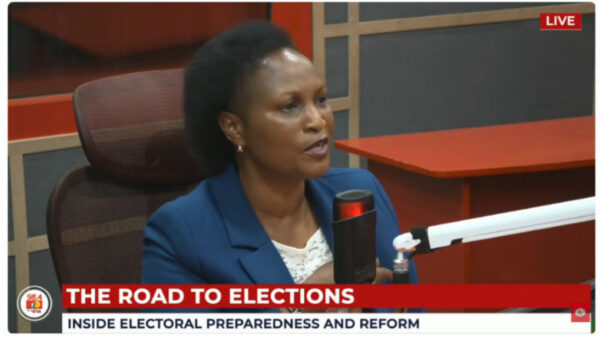
Speaking during Capital in the Morning show, IEBC Commissioner Anne Nderitu said the commission had identified underserved groups, particularly young people in urban informal settlements, as critical to achieving a more inclusive voter register.
Nderitu noted that while the recent registration drive recorded improved youth participation, significant barriers still persist, including lack of national identification cards and limited access to information.
“You see some of the areas that need to be checked when we come to ensuring that everybody is in the register is where we see many youth and they don’t have IDs,” she said.
“The process of production is slower than the numbers applying, so our issue is to push for every eligible Kenyan to get an ID because it is the basic document.”
Focus on informal settlements
The commissioner singled out informal urban settlements as key areas where voter registration efforts have lagged behind, largely due to economic realities.
“We also need to look at the slum areas in urban centres. These are Kenyans who wake up every day to hustle. Sometimes issues of governance and voter registration are pushed aside because survival comes first,” she explained.
Nderitu noted that many in the informal sector remain unregistered not out of disinterest, but due to lack of time, information, and targeted outreach.
“Unless they are mobilized and their mindset shifts to see participation in governance as important, they may be left out,” she added.
To bridge the gap, the IEBC is now considering more direct, grassroots-based mobilization strategies.
These include working with civil society groups, conducting workplace outreach, and physically engaging communities where they live and work.
“Information is power. There are Kenyans who leave home early and return late—they don’t even have access to radio. So how do you reach them? We must adopt different strategies, including in-person engagement,” she said.
The commission is also looking beyond urban centres, with plans to tailor approaches for pastoralist communities whose mobility makes traditional registration methods less effective.
“We must find ways to reach them wherever they are, even during migration due to drought,” Nderitu noted.
Progress and remaining gaps
Despite the challenges, the IEBC reported encouraging signs from the latest registration exercise, with youth making up more than half of newly registered voters.
“In the last register of 2022, young people were about 40 percent. This time, we believe we have surpassed 50 percent, which is a positive indicator,” Nderitu said.
However, she emphasized that this progress still falls short of reflecting Kenya’s demographic reality, where approximately 70 percent of the population is under 35.
“This means we still have gaps to close to achieve a truly inclusive register,” she added.
The commissioner also pointed to other underserved groups, including older Kenyans who have never voted despite being eligible.
“There are adults—even in their 60s and 70s—who have never voted. These are people we must educate and bring into the electoral process,” she said.
Nderitu urged young people to take greater responsibility in shaping the country’s democratic future, warning against disengagement and manipulation during elections.
“The country belongs to the youth more than anyone else. They must protect it by participating in elections, rejecting violence, and upholding the Constitution,” she said.
As preparations for the 2027 polls continue, the IEBC says it will refine its systems, strengthen outreach, and push for institutional reforms aimed at addressing gaps identified in previous elections.