
















NAIROBI, Kenya Jun 11 – Kenya’s street population has dropped significantly over the past seven years, but women and girls living on the streets continue to face disproportionate risks of violence, abuse, and deprivation, according to the 2025 National Census of Street Families.
The census, conducted by the Street Families Rehabilitation Trust Fund (SFRTF) in collaboration with the Kenya National Bureau of Statistics (KNBS) and other partners, found that there are 18,049 street-connected persons across the country, down from 46,639 recorded in 2018.
However, the report released yesterday paints a troubling picture for women living in street situations.
While females account for only 21.4 per cent of the street population, they bear a heavier burden of violence and caregiving responsibilities.
According to the findings, 41.5 per cent of female survivors of violence reported experiencing sexual abuse, compared to just 2.6 per cent of male survivors.
Emotional abuse was also higher among women at 26.3 per cent, compared to 15.8 per cent among men.
The report further revealed that among the 2,243 female street persons aged 10 years and above, 58.2 per cent were living with their children on the streets.
Among young mothers aged between 10 and 24 years, two-thirds (66.6 per cent) were raising children while living in street situations.
The findings underscore the vulnerability of women and children who often endure unsafe living conditions, limited access to healthcare and protection services, and heightened exposure to gender-based violence.
Despite the overall decline in street populations, nearly 29 percent of street-connected persons reported having lived on the streets for more than a decade, highlighting persistent barriers to housing, education, healthcare, and employment.
The census also found that street families remain predominantly urban and youthful.
More than 76 per cent are below the age of 35, with children aged 0-17 accounting for 26.1 per cent and youth aged 18-34 making up 50.4 per cent of the street population.
SFRTF Ag. Chief Executive Officer Caroline Towett said the census achieved nationwide coverage across all 47 counties and major urban centers, targeting children, youth, adults, older persons, persons with disabilities, and other vulnerable groups living and working on the streets.
“The target population comprised street-connected children, youth, adults, the elderly, persons with disabilities, and other vulnerable groups lacking permanent shelter or residing regularly in open public spaces, temporary structures, pavements, markets, bus stops, and similar locations,” she said.
Of the 18,049 street persons identified, 17,264, representing 95.7 per cent, consented to be interviewed.
Nairobi County recorded the highest number of street-connected persons at 4,690, followed by Nakuru (1,546), Mombasa (1,428), and Kiambu (1,370). The lowest numbers were reported in Nyandarua (20), Lamu (30), and Tana River (50).
Chairperson of the SFRTF Board of Trustees Mary Wambui said the persistence of street families reflects broader social and economic challenges, including poverty, family breakdown, unemployment, substance abuse, rural-urban migration, and climate-related shocks.
“We remain committed to strengthening institutional systems for prevention, rescue, rehabilitation, and long-term reintegration. Through enhanced coordination between national and county governments, development partners, civil society, and communities, we can transform vulnerability into opportunity and ensure that street-connected individuals become empowered contributors to national development,” she said.
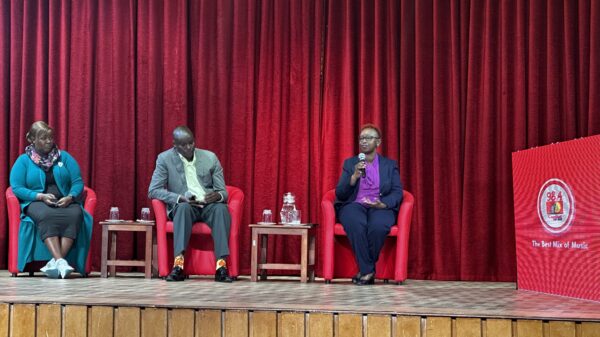
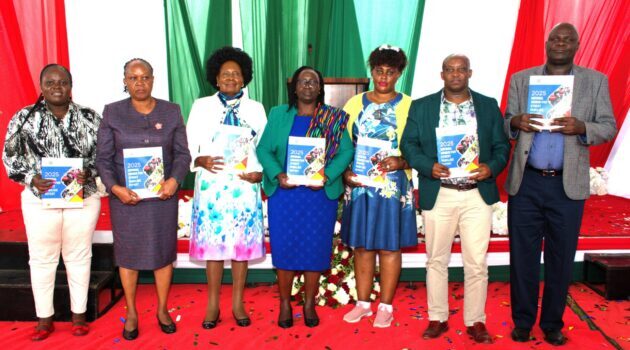
Gender, Culture, and Children’s Services Cabinet Secretary Hannah Wendot, who officially launched the report in Naivasha, said the findings should guide stakeholders in addressing the root causes of street migration, expanding rehabilitation opportunities, and strengthening social protection programmes that help keep vulnerable families together.
The government continues to implement interventions under the 4Rs+P framework (Rescue, Rehabilitation, Reintegration, Resocialization, and Prevention) as part of efforts to eliminate street families and promote inclusive development.
The census was undertaken to provide data that will inform government policy, legislation, and programmes targeting street-connected persons while advancing Kenya’s commitment to Vision 2030, the Sustainable Development Goals, and the principle of ‘Leaving no one behind.’