













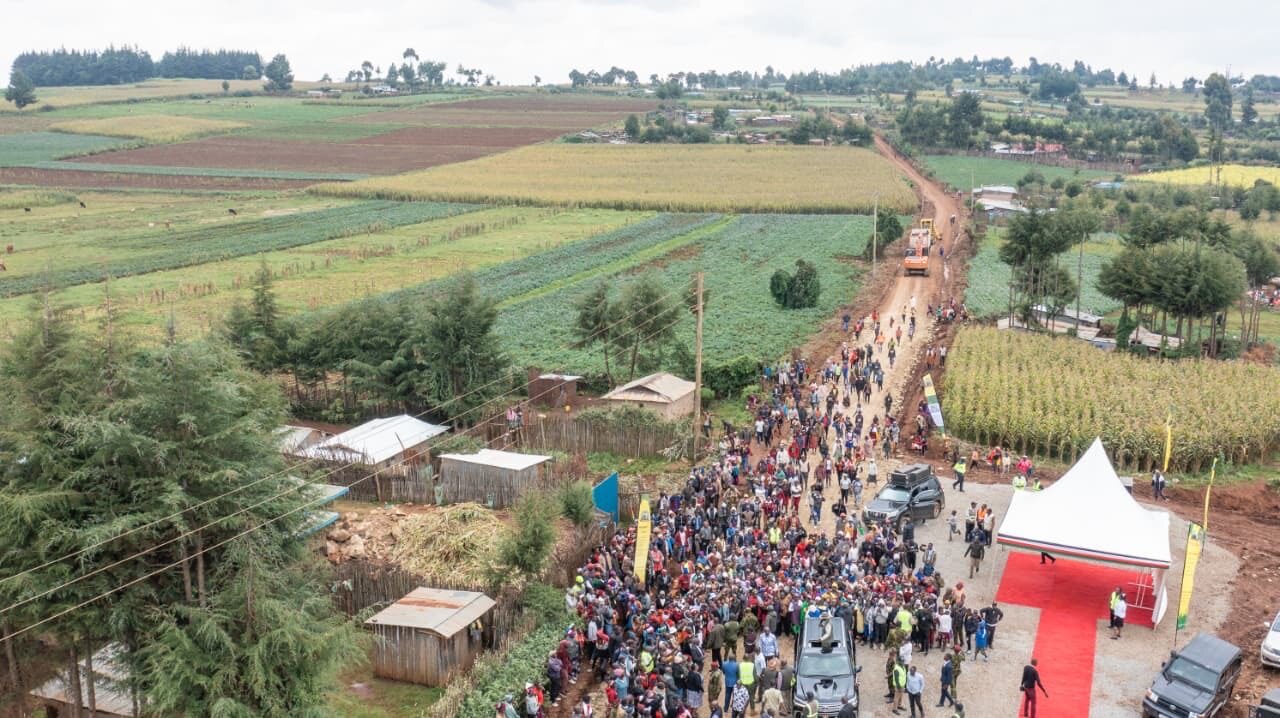

NAIROBI, Kenya, Jun 4 – A community-led conservation model that allows families to grow food while nurturing tree seedlings is rapidly transforming restoration efforts in the Mau Forest Complex, with more than 4,600 households now directly involved in rehabilitating Kenya’s largest and most important water tower.
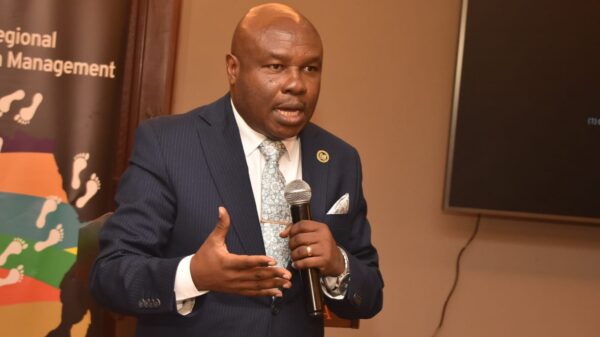
Environment and Climate Change Principal Secretary Festus Ng’eno said the Trees Establishment and Livelihood Improvement Scheme (TELIS) has emerged as the “game-changer” behind the restoration of the Mau Forest Complex, helping the programme restore over 1,500 hectares of degraded forest land and establish approximately 1.5 million tree seedlings within just ten months.
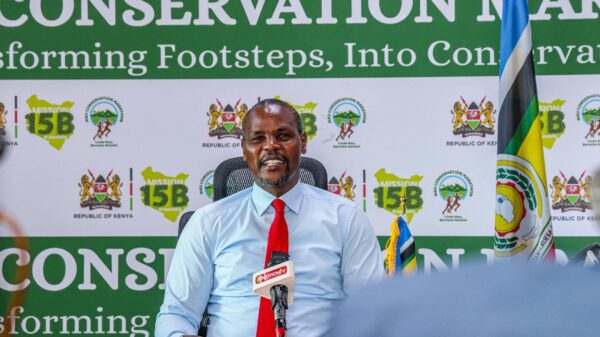
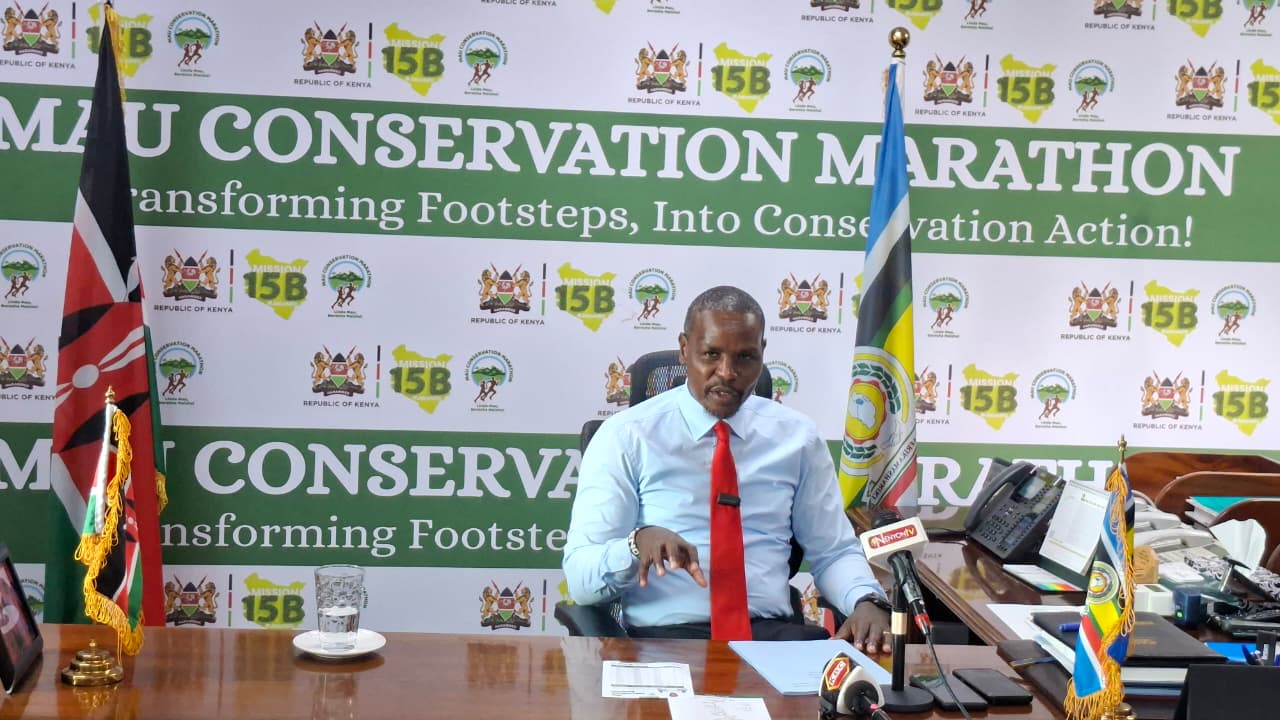
Speaking during a media briefing in Nairobi ahead of the second edition of the Mau Forest Conservation Marathon, Dr Ng’eno said the innovative approach has succeeded where traditional restoration models often struggled by making local communities active beneficiaries of conservation efforts.
“Our restoration approach was initially labour-based. We moved to what we called the Adoption of a Block initiative and then to the current Trees Establishment and Livelihood Improvement Scheme, TELIS, which has become the game-changer in the restoration of the Mau Forest Complex,” said Ng’eno.
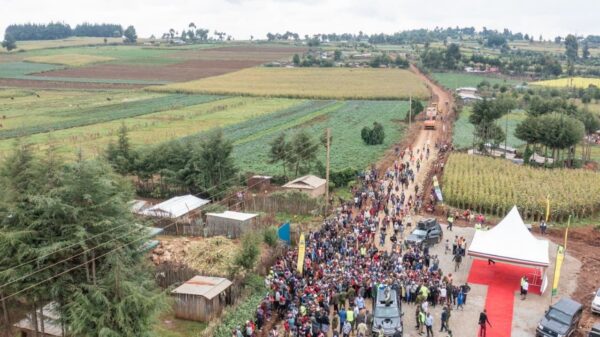
Through TELIS, communities cultivate crops while caring for tree seedlings in designated restoration areas, providing both environmental and economic benefits.
“Communities are participating directly in restoration while simultaneously strengthening household food security and diversifying incomes through growing crops as they tend to their tree seedlings,” he said.
According to the PS, Kenya Forest Service has approved 657 hectares under the TELIS programme, with 4,625 households currently producing crops, mainly potatoes, alongside tree-growing activities.
The initiative forms part of the Mau Forest Complex Integrated Conservation and Livelihood Improvement Programme (MFC-ICLIP), a 10-year restoration programme targeting four key forest blocks — Eastern Mau, Western Mau, South West Mau and Molo Forest blocks.
The programme seeks to rehabilitate 33,138 hectares of degraded forest, restore 668.7 hectares of wetlands and improve 143,803 hectares of agro-ecosystems while benefiting approximately 148,000 households living around the Mau ecosystem.
MFC-ICLIP Team Lead Vicky Chepkorir said the programme was deliberately designed to combine ecosystem restoration with livelihood improvement for communities living around the forest.
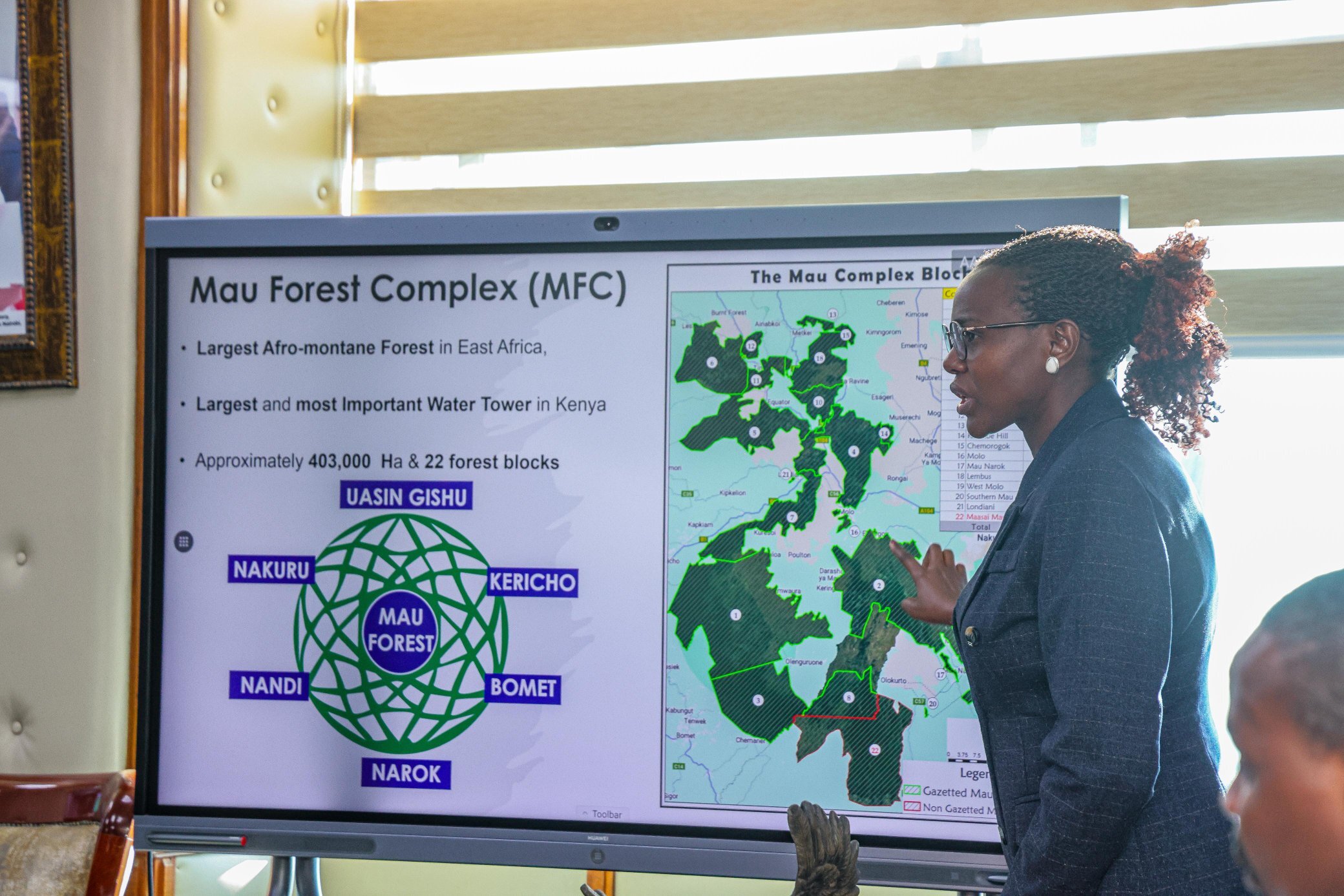
“The programme is not just doing restoration of the forest. It is also focusing on livelihood improvement. It is targeting communities living within Kuresoi North, Kuresoi South, Molo and Njoro constituencies, comprising about 148,000 households,” she said.
The Mau Forest Complex, which spans six counties and consists of 22 forest blocks covering more than 400,000 hectares, is regarded as Kenya’s largest water tower.
It feeds 12 major rivers and five major lakes, supporting agriculture, hydropower generation, biodiversity conservation and tourism.
PS Ng’eno noted that the ecosystem remains under pressure from illegal logging, land-use changes and over dependence on forest resources driven by poverty.
The PS revealed that since its launch in August 2025, the programme has attracted 74 partners who have mobilised approximately Sh884 million in support, mostly through in-kind contributions.
Beyond forest restoration, the programme has reached more than 10,000 farmers through livelihood interventions including certified potato seed multiplication, avocado farming, beekeeping, agroforestry and tree nursery establishment.
It has also established avocado orchards in 180 schools.
Ng’eno said the programme’s success demonstrates that conservation efforts are more sustainable when communities derive direct economic benefits from protecting natural resources.
“Every effort made is an investment in water security, clean energy, biodiversity conservation, climate adaptation, food systems and community prosperity,” he said.
To further raise awareness and mobilise resources for conservation, the programme will host the second Mau Forest Conservation Marathon on July 3, 2026. Organisers are targeting 2,500 participants and plan to use the event to support restoration activities while promoting environmental stewardship.
“The climate crisis demands urgency. Ecosystem degradation demands action. Communities living around the Mau deserve dignity, livelihoods and resilience. The Mau Forest cannot wait,” Ng’eno said.