


















NAIROBI, Kenya, June 11 — Businesses must place youth inclusion and skills development at the centre of their sustainability strategies if they are to achieve meaningful long-term impact, industry leaders have said.
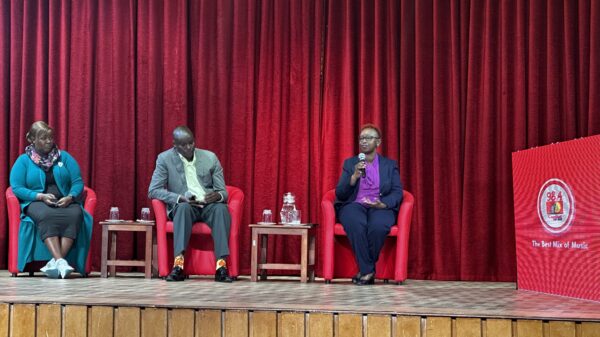
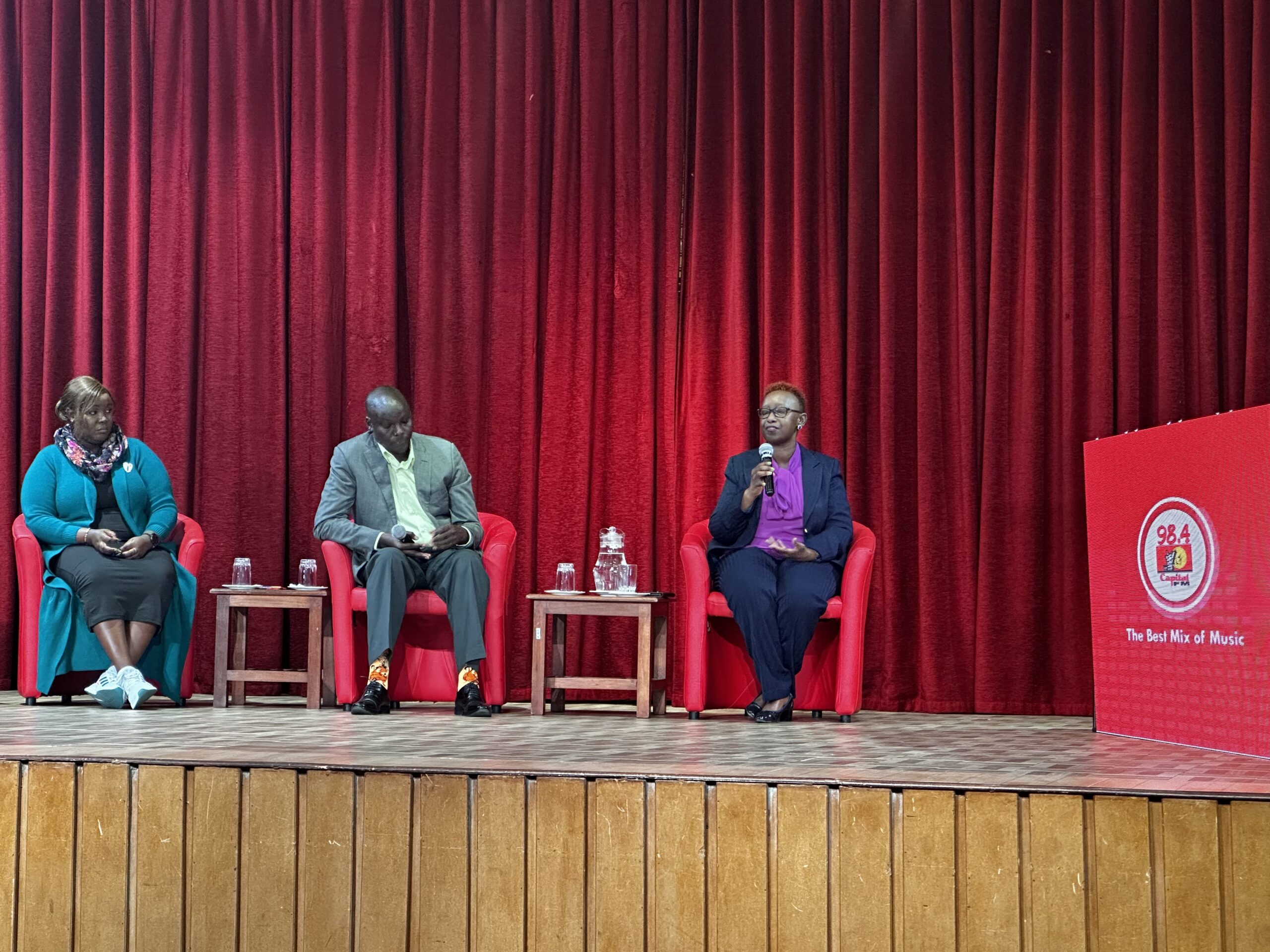
Speaking at a sustainability townhall hosted by Capital FM at Strathmore University in Nairobi, experts from the manufacturing, technology and financial services sectors argued that the Social (S) pillar of Environmental, Social and Governance (ESG) frameworks is becoming increasingly critical as organisations seek to build resilient workforces, promote employability and drive inclusive economic growth.
The speakers noted that sustainability is evolving beyond environmental stewardship to encompass people-centred approaches that prioritise skills development, workforce readiness and inclusive economic participation.
Peter Ndichu, Manufacturing Director at HACCO Industries, said strategic partnerships between industry and learning institutions are becoming essential in building a skilled and future-ready workforce.
“We have partnered with universities to enhance the skills of young people. We train them on practical skills, creating talent that can become employers in the future while generating economic impact,” he said.
Ndichu noted that such collaborations are helping bridge the gap between academic training and industry requirements, while opening pathways for young people to access employment opportunities and entrepreneurial ventures.
Samsung East Africa Head of Corporate Marketing Nyawira Muraguri underscored the importance of digital inclusion, arguing that access to technology alone is insufficient without practical skills that enable meaningful participation in the digital economy.
“Tech companies have a responsibility to equip people with knowledge so they can use technology sustainably,” she said.
“We teach artificial intelligence, coding and hands-on gadget repair to create sustainable employability.”
Muraguri said such initiatives are increasingly important as technological advancements continue to reshape labour markets, making practical digital skills a key determinant of employability.
In the financial services sector, KCB Group Head of Sustainability Judith Sidi Odhiambo said organisations derive greater value from sustainability when it is embedded across their operations and decision-making processes.
“Sustainability must be part of the business case because it brings value. We deal with people — our employees and customers form an important component of the ‘S’,” she said.
Odhiambo noted that sustainability considerations should extend across all business functions, from product development to service delivery, given that economic activity ultimately revolves around people.
The panellists agreed that youth empowerment, skills development and inclusive participation remain central to achieving meaningful sustainability outcomes, warning that persistent gaps in these areas could slow progress towards inclusive growth and shared prosperity.
Their remarks reinforced growing calls for businesses to view sustainability not only through an environmental lens but also as a strategic investment in human capital and social resilience.