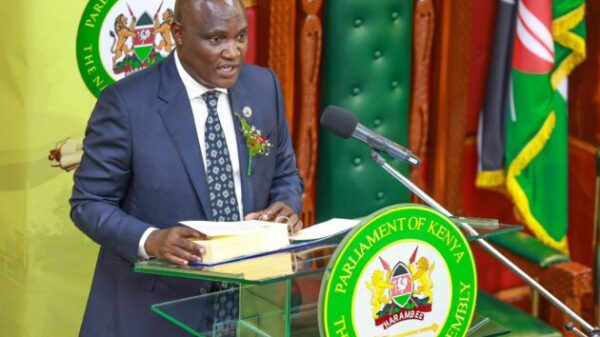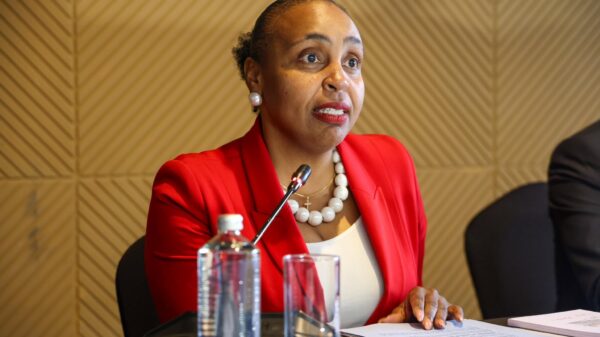

















NAIROBI, Kenya, June 11 — Treasury Cabinet Secretary John Mbadi has defended the government’s 2026/2027 budget, saying the country is facing difficult economic realities that have made the current financial plan one of the most challenging in recent years.
Speaking ahead of the budget presentation in Parliament, Mbadi said there is “no easy budget,” noting that this year’s spending plan has been shaped by a combination of external economic shocks, underperformance in revenue collection and rising inflation.
According to the Treasury CS, the government has been forced to make difficult decisions as it seeks to balance public expenditure, debt obligations and the growing demand for essential services.
“This year’s budget is even more challenging because it is informed by a major external shock, underperformance in revenue collection and rising inflation,” Mbadi said.
The Treasury is expected to outline spending priorities for key sectors including education, healthcare, agriculture, infrastructure and security, while also addressing concerns over the rising cost of living.
The budget comes at a time when Kenyans are demanding tax relief, lower prices for basic commodities and increased job opportunities amid economic hardship.
Mbadi has maintained that the government remains committed to stabilising the economy, improving revenue collection and reducing reliance on borrowing while protecting critical public services.
Economists say the Treasury faces mounting pressure to contain the fiscal deficit and manage public debt without introducing measures that could further strain households and businesses already struggling with high living costs.
The 2026/2027 budget is expected to set the tone for the government’s economic strategy in the coming financial year as Parliament begins debate on the proposed allocations and taxation measures.