












NAIROBI, Kenya Jun 11 – The State Department for Mining is seeking to overhaul Kenya’s mineral revenue framework through proposed amendments to the Sovereign Wealth Fund Bill, 2026.
Among the key proposals is the introduction of a one percent Mineral Development Levy on gross mineral sales to finance geological research and exploratory drilling.
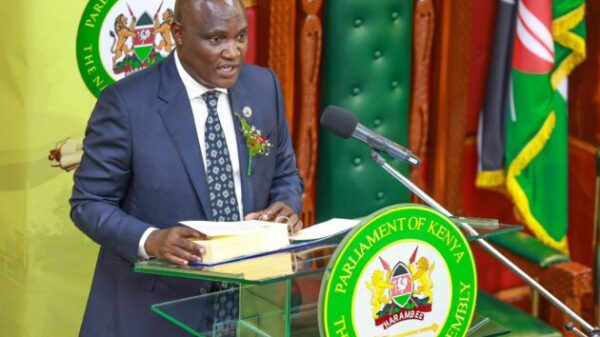
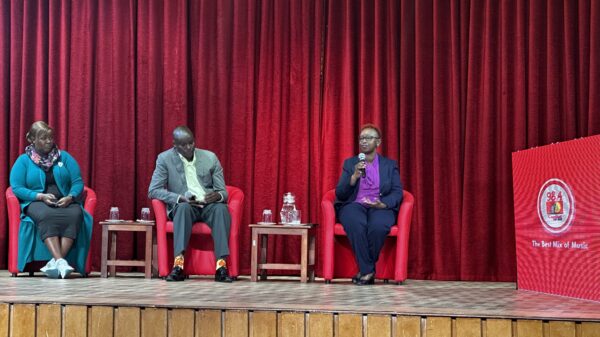
Principal Secretary Harry Kimutai told lawmakers that Kenya’s mineral wealth remains largely untapped due to inadequate mapping and limited investment in research.
“We need to do a lot of research so that we understand exactly what is in this region,” he said.
The Ministry argues that increased investment in exploration will help grow the country’s gold reserves and attract strategic state participation in the sector.
At the same time, the Department is resisting proposals to transfer mineral royalty collection to the Kenya Revenue Authority, warning that such a move could disrupt regulatory oversight.
Lawmakers are now pushing for reforms to ensure transparency, accountability and equitable sharing of mineral revenues, including ring-fencing community funds for projects such as schools and hospitals.
“Issues relating to natural resources such as petroleum and minerals are very emotive. Most of the areas where minerals have been discovered were marginalized by Sessional Paper 10 of 1965, while resources were channeled to areas perceived to be more productive. What is the ministry doing in terms of harmonizing how resources can be shared”, Turkana South MP John Ariko posed.
He faulted the State Department of Mining for issuing licenses to prospecting minors without consulting the host communities, resulting to conflicts.
Kimutai argued that the country’s resource base remains poorly mapped and that sustained investment in research is essential to unlock Kenya’s full mineral wealth.
“We need to do a lot of research so that we understand exactly what is in this region,” he said.
On revenue sharing from minerals, the Ministry maintained its position that mineral royalties should be distributed on a 70-20-10 ratio between the national government, county governments, and local communities respectively.
Committee Members led by the Chairperson Kuria Kimani raised questions relating to the management of the ten percent community share, with some urging that proceeds be channelled into structured development projects such as schools and hospitals rather than direct cash transfers, to minimise conflict.