














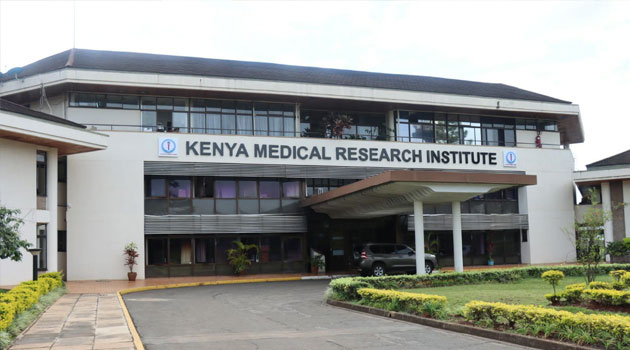

NAIROBI, Kenya, Jan 5 – Scientists from the Kenya Medical Research Institute (KEMRI) have unveiled a groundbreaking public-health and climate adaptation discovery, demonstrating that simple, low-cost housing improvements can dramatically reduce malaria and indoor heat in rural communities.
The study found that electricity-free housing modifications lowered indoor temperatures by up to 3.3°C and reduced malaria-carrying mosquito populations by as much as 77 percent in western Kenya.
“This is exactly the kind of science Africa needs — practical, locally grounded, and immediately actionable,” said Elijah Songok, Acting Director General of KEMRI. “By rethinking how we build our homes, we can protect families from the health threats of climate change while strengthening malaria control.”
For decades, malaria prevention in Kenya has relied heavily on bed nets and indoor spraying. While effective during sleep, these tools do not prevent mosquitoes from entering homes or address the rising heat caused by climate change.
KEMRI researchers conducted a pilot randomized controlled study in Siaya County, testing four housing interventions: reflective cool roofs, cross-ventilation improvements, locally made mat ceilings, and unmodified control homes. All intervention homes were fully screened at doors, windows, and eaves to block mosquito entry.
“Essentially, we have created a bed net for the entire house,” said Bernard Abong’o, lead researcher at KEMRI’s Centre for Global Health Research.
Community response was overwhelmingly positive, with 85 percent of households expressing willingness to invest in adopting and maintaining these modifications. Experts say this demonstrates the scalability and sustainability of the approach.
“Housing sits at the intersection of climate, health, and social equity,” said Roland Pearson, Vice President at Habitat for Humanity International. “This study proves that affordable, locally available materials can improve lives and protect communities from malaria and heat stress.”
KEMRI is calling for urgent multisectoral action to translate the findings into large-scale impact. Recommendations include integrating cool-roof and housing screening standards into national building codes, malaria strategic plans, and climate adaptation policies, starting in high-burden regions.
The study was conducted in collaboration with the Liverpool School of Tropical Medicine (UK), Charité – Universitätsmedizin Berlin (Germany), Università degli Studi di Milano (Italy), and Habitat for Humanity International, with funding from the Wellcome Trust and SeaFreight Labs.
Building on these results, KEMRI is now leading a larger cluster-randomized trial in Siaya and Kwale counties to evaluate the long-term health, economic, and climate benefits, while engaging policymakers to integrate healthy housing standards nationwide.
“This research marks a paradigm shift from treating malaria to designing health into homes,” said Prof. Songok. “It’s a practical, low-carbon, and scalable solution for Africa’s malaria and climate challenges.”