








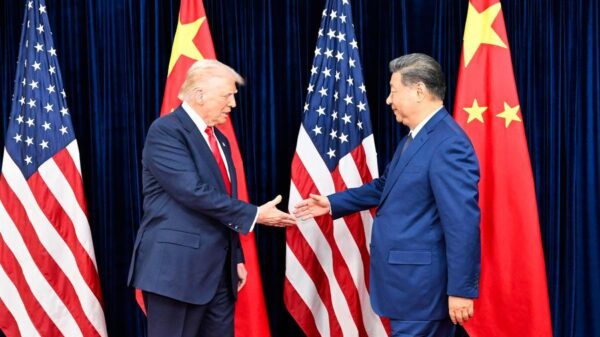




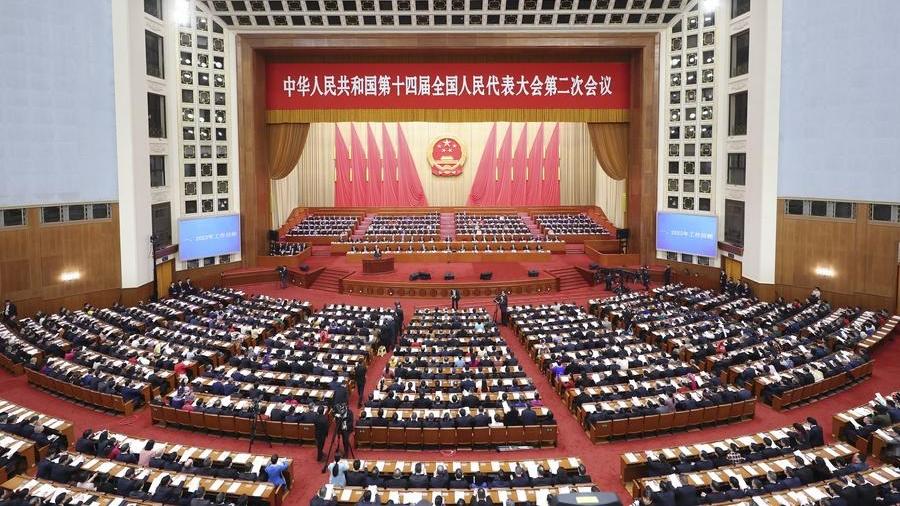

As lawmakers gathered at the Great Hall of the People in Beijing for the opening of the latest session of the National People’s Congress, the event may appear to be routine domestic politics in China. Yet for Kenya, the wider African continent, and the Global South, its implications extend far beyond Beijing.
The annual “Two Sessions” meetings, where the Chinese government outlines economic policy, development targets and legislative priorities, have increasingly become a barometer for the direction of the global economy. This year’s discussions are particularly significant as they set the tone for China’s 15th Five-Year Plan (2026–2030), a blueprint expected to influence investment flows, technological cooperation and development partnerships across the developing world.
China’s projected growth target of between 4.5 and 5 percent may not appear dramatic compared with its past double-digit expansion. Yet in today’s volatile global economic climate, such growth remains substantial. For the world’s second-largest economy, already producing more than 140 trillion yuan in output, sustaining that level of expansion signals enduring economic resilience.
For Africa, this matters enormously. China has for years been a major engine of global demand, contributing more than 30 percent of global economic growth. When China grows, supply chains expand, commodity markets stabilise and developing economies benefit from stronger trade and investment linkages. International estimates suggest that every one percent increase in China’s growth can raise output in other economies by roughly 0.3 percent.
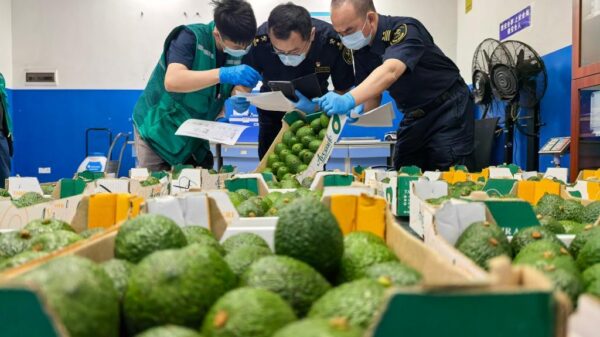
For export-driven African economies—from copper producers in Zambia to agricultural exporters in East Africa—this relationship is tangible. Yet the real story emerging from Beijing is not simply about growth rates, but about the transformation of China’s growth model.
China’s government work report highlights an ambitious shift toward innovation-driven and green development. Nationwide research and development spending is expected to grow by at least seven percent annually over the next five years, while carbon emissions per unit of GDP are projected to fall by 17 percent.
At the same time, digital industries are expected to expand rapidly, with core sectors of the digital economy projected to account for about 12.5 percent of China’s GDP. This transition toward high-tech manufacturing, renewable energy and digital infrastructure presents significant partnership opportunities for African economies.
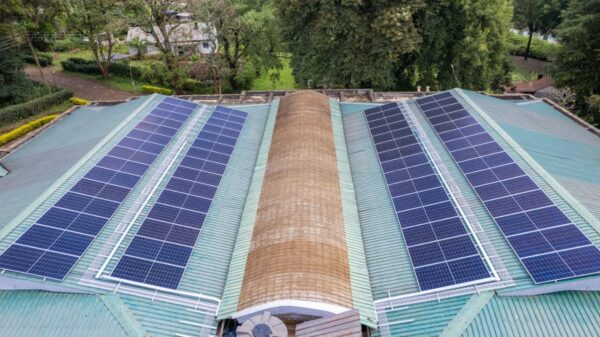
The global success of China’s “new three” industries—new energy vehicles, lithium-ion batteries and photovoltaic technologies—already illustrates the scale of transformation underway. For African countries rich in critical minerals such as lithium, cobalt and rare earth elements, the emerging green economy offers a strategic gateway into global value chains. Rather than remaining exporters of raw materials, African economies could increasingly participate in downstream processing, manufacturing partnerships and technology transfers linked to China’s expanding green industries.
Over the past decade, China’s engagement with Africa has often been defined by large-scale infrastructure projects, including railways, highways, ports and energy facilities. The new five-year development outlook suggests that the next phase of cooperation may go even deeper. Among the 109 major projects proposed under China’s upcoming development blueprint are initiatives aimed at fostering what Chinese policymakers describe as “new quality productive forces,” improving public well-being and accelerating digital transformation.
For African countries, this signals an evolution toward what might be described as “Infrastructure 2.0”—digital connectivity, smart logistics networks, advanced manufacturing clusters and clean energy systems. In other words, the future partnership between China and Africa may increasingly revolve around technology ecosystems rather than simply bricks and mortar.
Another aspect of China’s policy direction that deserves attention in the Global South is governance consistency. While some advanced economies struggle with political gridlock and policy reversals, China’s development planning operates through long-term frameworks such as five-year plans. These structured policy cycles allow economic reforms, infrastructure investment and industrial upgrading to proceed with continuity.
Predictable policy environments attract investment. They allow industries to plan ahead and provide governments with the space to pursue long-term development goals. Rather than being driven primarily by Western consumption markets, the emerging global economic landscape may increasingly revolve around South-South cooperation, technology partnerships and shared development priorities.
In a world marked by geopolitical turbulence and fragmented supply chains, China’s steady development trajectory offers a measure of economic certainty. For Africa and the wider Global South, the challenge now is to ensure that the next wave of global growth is shared more broadly than the last.
The writer is an international affairs commentator.