




















NAIROBI, Kenya, Dec 2 – The African Union Commission (AUC) has issued a strong call of action to African governments, development partners, private sector players, and research institutions to join forces in accelerating the continent’s digital agriculture revolution.
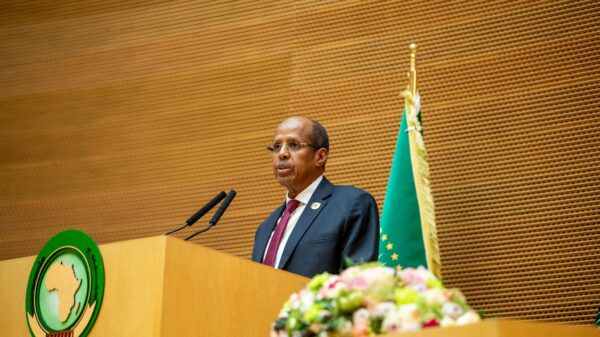
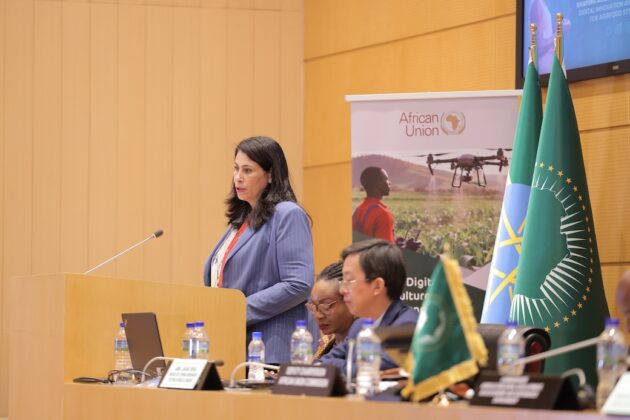
The appeal was delivered Monday during the opening of the inaugural African Union Conference on Digital Agriculture by Amb. Selma Malika Haddadi, AUC Deputy Chairperson on behalf of AUC Chairperson Mahmoud Ali Youssouf.
Addressing ministers, diplomats, regional representatives, development partners, private sector leaders, and innovators, Amb. Haddadi described digital agriculture as “not a choice, but a necessity for Africa’s survival and prosperity,” urging stakeholders to mobilize around a shared agenda to transform agri-food systems through technology, innovation, and climate-smart practices.
“No single government or institution can achieve this transformation alone. Digital agriculture thrives through collaboration across borders, sectors, and disciplines,” Haddadi said.
The conference, themed “Shaping Agricultural Policy for Africa’s Future: Digital Innovations, Climate-Smart Practices for Agri-Food System Transformation,” marks a major milestone in Africa’s push to modernize its agricultural sector—one that supports over 60 percent of the continent’s population and remains central to national economies.
The AUC Deputy Chairperson noted that Africa’s agricultural sector continues to grapple with severe challenges, including climate change, environmental degradation, limited access to finance and markets, post-harvest losses, and the continent’s struggle to attract youth into agriculture.
“Through innovation, we can unlock productivity, strengthen resilience, and create inclusive opportunities for farmers, women, and youth,” she said.
She emphasized that digital tools such as satellite-based precision farming, digital extension services, mobile financial platforms, and climate-smart applications have the potential to revolutionize agricultural value chains and strengthen resilience against climate and market shocks.
The Deputy Chairperson highlighted key continental frameworks guiding this agenda, including the Digital Transformation Strategy for Africa (2020–2030) and the Science, Technology and Innovation Strategy for Africa (STISA-2024).
These frameworks prioritize expanding digital infrastructure, strengthening data governance, and using innovation to drive socio-economic transformation.
“Agriculture is a priority sector under these strategies because technology can significantly improve market access, productivity, and climate adaptation,” she said.
The AU announced renewed commitments to support Member States through a number of interventions including developing enabling policies for digital agriculture, expanding digital skills training for farmers, youth, and extension workers and advocating investment in broadband and digital public goods.
However, Amb. Haddadi stressed that such ambitions require broad-based collaboration.
“We call on African governments, development partners, private sector actors, and research institutions to join forces, so Africa not only adopts digital agriculture but leads in shaping its future,” she declared.
As the conference opened, the AU urged participants to commit to bold, coordinated action that ensures digital agriculture becomes part of everyday life for farmers and agribusinesses across the continent.
“The African Union stands ready to work with all stakeholders to make this vision a reality,” Amb. Haddadi affirmed, officially declaring the conference open.
The inaugural AU Conference on Digital Agriculture is expected to produce concrete policy recommendations, partnership commitments, and implementation pathways to anchor Africa’s leadership in the global digital agriculture landscape.