




















Nairobi National Park (NNP), situated a few miles from the bustling city of Nairobi, is a remarkable wildlife sanctuary teeming with diverse species, including majestic lions. This unique juxtaposition of a thriving cityscape and a natural habitat offers visitors a rare opportunity to witness wild animals against an urban backdrop. While the park’s lions are a major draw for tourists, it is crucial to remember that they are wild creatures deserving of our respect.

A lion cub at the National Park./Rakesh Shah.
Despite their awe-inspiring presence, the lions in Nairobi National Park encounter numerous challenges that threaten their survival. Habitat loss and fragmentation top the list, exacerbated by the rapid expansion of Nairobi’s urban sprawl. As the city continues to grow, the once-uninterrupted lion territories are increasingly fragmented, posing difficulties for lions to find suitable food sources and mates. Such challenges endanger their lives and further escalate the human-wildlife conflict dilemma.
1. Habitat Loss and Fragmentation:
The encroaching urban sprawl of Nairobi poses a grave threat to the lions of Nairobi National Park. Once vast and untethered, their habitat is rapidly shrinking, fragmenting into isolated pockets. As the city continues to expand, roads, settlements, and infrastructure carve through the land, severing the once seamless territories of these apex predators. This fragmentation not only hampers their ability to find food and water but also disrupts their natural migration routes and breeding patterns, pushing them to the brink of survival.
2. Human-Wildlife Conflict
The coexistence of humans and lions in Nairobi National Park is not without its challenges. Human-wildlife conflict arises when lions, driven by their primal instincts, come into contact with the livelihoods and assets of local communities. Preying on livestock, which is often the only source of income for many, the lions unintentionally become the catalysts of resentment and hostility. This clash of survival instincts on both sides leads to retaliatory attacks and further deepens the rift between humans and these majestic felines.
3. Zoonotic Diseases
While habitat loss and human-wildlife conflict pose immediate threats, lions in Nairobi National Park also face the risk of diseases. The proximity of the park to the livestock keepers creates a unique challenge as diseases can easily spill over from domestic animals to the wild population. Diseases such as bovine tuberculosis and canine distemper Virus pose grave risks to the health and survival of the lions. Conservation efforts, therefore, must address not only habitat preservation but also comprehensive health monitoring and management strategies.
Conservation Measures in Action
In the face of these daunting challenges, concerted efforts are underway to safeguard the future of the lions in Nairobi National Park. Organizations such as Friends of Nairobi National Park (FoNNaP) are working tirelessly to ensure the survival of these magnificent creatures.
1. Habitat Restoration:
To counter the loss and fragmentation of lion habitat, we are focusing on habitat restoration projects. This involves reclaiming degraded areas, planting native vegetation, and advocating for preservation of wildlife corridors to maintain connectivity. By preserving and expanding lion habitats, these initiatives provide a lifeline for struggling populations.

Tree planting at the Nairobi National Park supported by Guardian Bank.
2. Community Engagement and Education:
Recognizing the significance of community involvement, FoNNaP is actively engaging with local communities residing near the park. Through education and outreach programs, we are raising awareness on the importance of lion conservation and the economic benefits that can be derived from wildlife tourism. By building bridges and fostering understanding, these initiatives aim to reduce conflicts and promote coexistence between humans and lions.

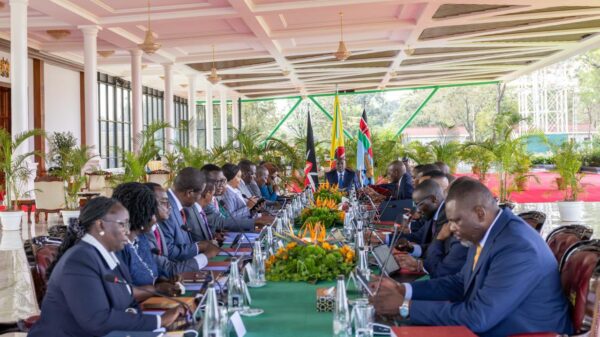
Meeting with community members at The Wildlife Foundation Center, South side of Nairobi National Park
The Lion Lights Project
The Friends of Nairobi National Park (FoNNaP), a dedicated organization committed to conserving Nairobi National Park’s wildlife, has undertaken various initiatives to mitigate the challenges lions face and minimize human-wildlife conflicts. One such initiative is the Lion Lights Project.
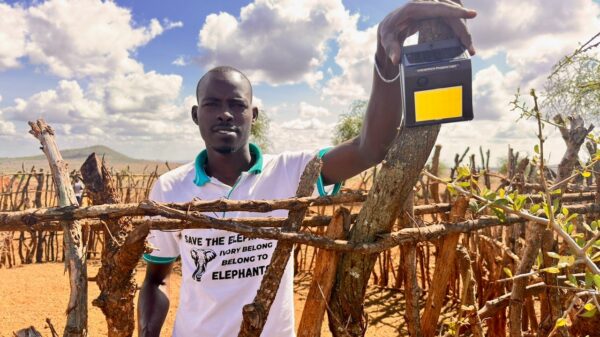
The Lion Lights Project focuses on implementing innovative solutions to reduce conflicts between lions and local communities around the Athi-Kapiti wildlife dispersal area. Recognizing that lions tend to avoid areas illuminated by artificial lights, FoNNaP has strategically installed solar-powered lights in key locations to deter lions from approaching livestock enclosures.
These lights create a “fence” of sorts, acting as a deterrent and reducing the chances of lion attacks on livestock. By minimizing the loss of valuable livelihood resources for the local communities, the Lion Lights Project aims to foster coexistence between humans and lions. One set of lion lights cost Ksh 30,000 which we purchase with the support of our passionate members and donors.
Looking Ahead:
Preserving the delicate balance between wildlife conservation and human needs is essential for the long-term survival of lions in Nairobi National Park. Efforts such as the Lion Lights Project, led by FoNNaP, play a vital role in safeguarding the future of these iconic creatures.
However, it is not solely conservation organizations’ responsibility to ensure these initiatives’ success. Active participation and support from the local communities, government bodies, and visitors are crucial. By recognizing the value of lions and the necessity of coexistence, we can collectively contribute to preserving the rich biodiversity of Nairobi National Park and ensure that future generations can continue to witness the awe-inspiring beauty of these magnificent creatures.
In conclusion, the lions of Nairobi National Park face numerous challenges which we can address through collaboration in research and scientific interventions to address lion-related challenges.
This article was compiled by FoNNaP, the Friends of Nairobi National Park.