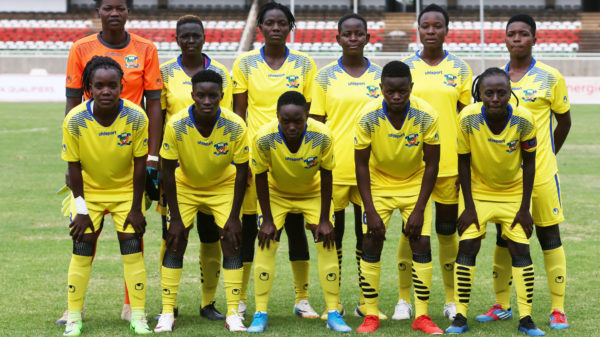
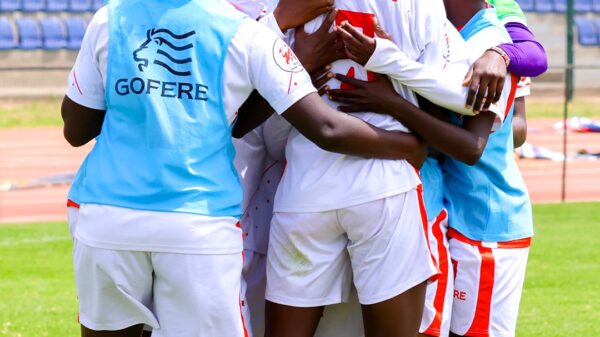

























NAIROBI, Kenya, March 12, 2026 — The crisis engulfing the Football Kenya Federation Women’s Premier League (FKFWPL) has deepened as shocking new details emerge regarding the financial neglect and broken promises that forced 11 top-flight clubs into a unanimous boycott of this weekend’s fixtures.
Beyond the lack of communication from the federation, a litany of financial grievances has surfaced, painting a grim picture of the conditions endured by athletes in the country’s top tier.
The current situation suggests a widening gap between the aspirations for the game and the reality on the ground.
According to reliable sources, the federation has maintained silence regarding the disbursement of FIFA Women Development funds.
This is compounded by an overdue promise to unveil a league sponsor, which was originally scheduled for November 2025.
In late 2025, the FKF secured a Ksh 1.12 billion, 10-year title sponsorship deal. This deal provides direct monthly grants to all 18 clubs, covering 60% of the total sponsorship value. This ensures a predictable baseline for player salaries and team operations.
For the women’s league, a similar title sponsorship was promised for the WPL by November 2025, but it has never materialized. Currently, the women’s league operates without a title sponsor, leaving clubs to fend for themselves or wait for federation disbursements that are often delayed.
The clubs have also highlighted several other critical failures such as zero financial support where teams were promised support by the Women Representative by the end of the first leg, but no funds have been received.

There has been no communication regarding the kickoff or sponsorship for the Women’s Cup. Perhaps most staggering is the claim that the FKF has been asking club teams to send fare to Harambee Starlets selected players, effectively shifting the federation’s national team responsibilities onto struggling clubs.
The administrative failures have trickled down to the players, many of whom are reportedly living in desperate conditions.
Anonymous sources within the league reveal that some players have not received their salaries since November 2025.
In a heartbreaking turn for a professional top-flight league, several athletes have been forced to depend on small tokens and handouts from fans just to afford basic necessities.
This financial strain threatens to derail the careers of some of Kenya’s most promising talents, many of whom form the backbone of the national team.
The contrast between the men’s and women’s leagues in 2026 highlights a significant “standards gap” that has fueled the current boycott.
While the men’s game has moved toward long-term commercial stability, the women’s game remains reliant on intermittent grants and “development” funds that are often mired in administrative delays.
The FKFWPL Clubs Caucus has made it clear that the boycott of the March 14th and 15th matches will hold until the federation leadership demonstrates concrete solutions to these challenges.
While the recruitment of high-profile talent for the Harambee Stars and the hosting of major continental events point toward moving forward, the inability to sustain a professional environment for domestic female athletes suggests that the foundations of the game are currently moving backwards.
The upcoming meeting at Kandanda House on March 17 will be a critical indicator of whether the federation is ready to treat women’s football with the professional urgency it requires in 2026.