























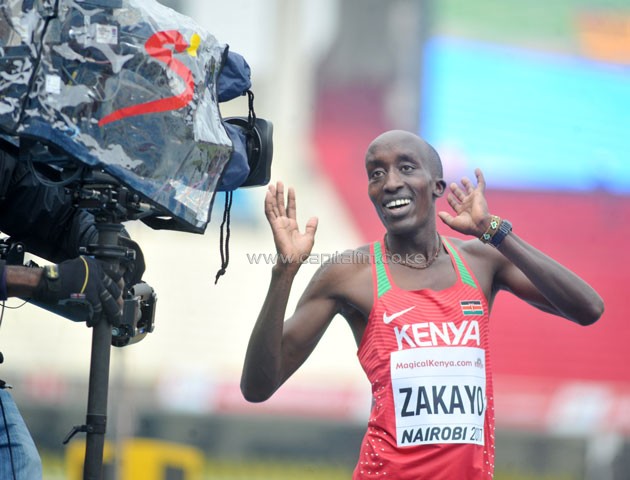

NAIROBI, Kenya, Oct 7, 2025 – The Anti-Doping Agency of Kenya (ADAK) has denied claims by former world U20 champion Edward Zakayo, who accused the agency of harassment and unfair treatment during his doping case proceedings.
In a detailed statement, ADAK said the athlete’s allegations were “misleading and inaccurate,” insisting that all due processes under the Anti-Doping Act (2016), Kenyan law, and the World Anti-Doping Code were strictly followed.
“The Anti-Doping Agency of Kenya wishes to categorically refute the allegations made by Edward Zakayo. The disciplinary process that led to the Sports Disputes Tribunal ruling was conducted transparently, fairly, and in accordance with both the ADAK Rules and the World Anti-Doping Code,” said Peninah Wahome, ADAK Acting Chief Executive Officer.
Zakayo, who recently announced his retirement from athletics, had earlier claimed he was mistreated and denied a fair hearing after being found guilty of missing three whereabouts tests. He said ADAK sent “strangers” to his home and failed to allow him legal representation of his choice.
“I was treated like a criminal. People came to my home pretending to be from ADAK, and I was summoned several times without being given a chance to defend myself properly. I lost faith in the system and decided to walk away from athletics altogether,” Zakayo said in his post.
ADAK, however, maintained that its officials never engaged in any form of intimidation and that communication with Zakayo was conducted through formal channels.
“We have never sent unauthorized individuals to any athlete’s residence. Our officers follow strict protocol, and athletes are always informed of any procedures in writing,” Wahome said.
The agency also reminded athletes of their personal responsibility in maintaining updated whereabouts information through the ADAMS system, which enables global anti-doping monitoring.
“Athletes are required to take ownership of their whereabouts submission. Failure to do so cannot be attributed to the agency or its officers,” the statement said.
The Sports Disputes Tribunal had earlier found Zakayo guilty of two missed tests and one filing failure between January and April 2024, leading to a ban. ADAK said the ruling was independent and based solely on evidence submitted to the tribunal.
While ADAK acknowledged the emotional strain athletes face during disciplinary cases, it reaffirmed its commitment to fairness and athlete welfare.
“We understand the pressure that comes with elite competition. But compliance with anti-doping rules is not optional; it protects the integrity of sport and ensures fairness for all athletes,” Wahome said.
Zakayo, who won bronze at the 2018 Commonwealth Games and gold at the World U20 Championships, said he stands by his claims but hopes his experience will spark reforms in how athlete cases are handled.
“I only want future athletes to be treated with dignity and understanding,” he said.