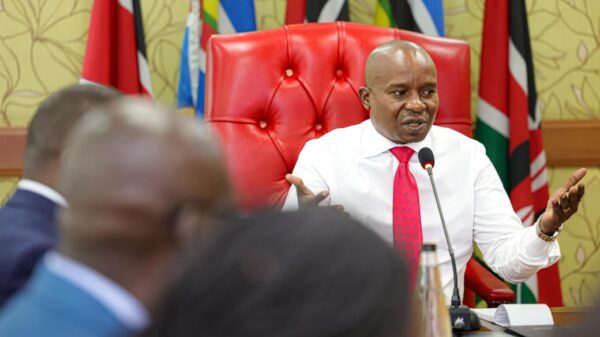











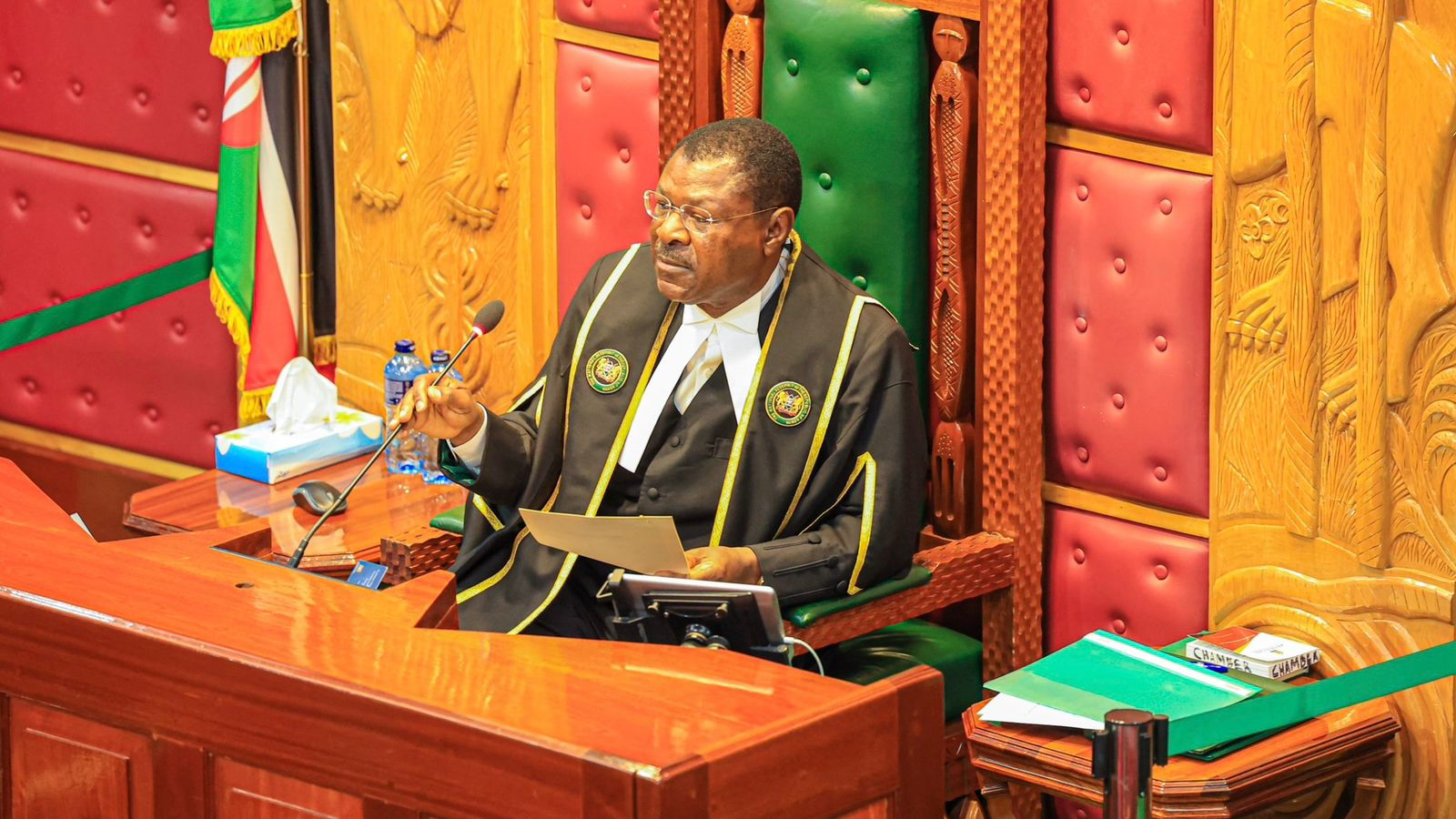

NAIROBI, Kenya, June 11 – National Assembly Speaker Moses Wetang’ula has dismissed criticism over President William Ruto’s absence during the presentation of the 2026/27 Budget Statement, insisting that the exercise is exclusively a parliamentary function and does not require the Head of State’s presence.
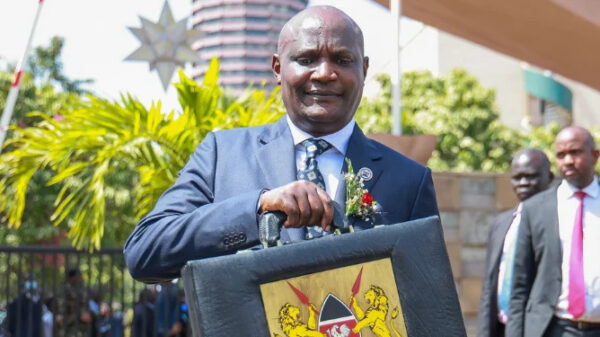
Speaking in the House ahead of Treasury Cabinet Secretary John Mbadi’s budget presentation, Wetang’ula ruled that there is no constitutional, legal or procedural requirement compelling the President to attend Parliament when the National Treasury outlines the government’s spending plans and revenue measures.
“The President of the country is under no obligation to attend Parliament on the day when the National Treasury Cabinet Secretary comes, not to read a budget, but to make a statement and give the country his revenue-raising measures,” Wetang’ula told lawmakers.
The Speaker was responding to claims by leaders in the United Opposition, including former Attorney General Justin Muturi, who had suggested that President Ruto’s absence during the budget presentation was unusual and indicative of a governance crisis.
Wetang’ula rejected the assertion, noting that the budget-making process is the preserve of Parliament and should not be confused with occasions when the President addresses a joint sitting of the House.
“Indeed, if the President chose to come, which he can, he would sit in the Speaker’s row. He would not sit where I am sitting, where he normally sits when he comes to address the House. There is no such thing as a crisis because the President is out of the country,” he said.
“Budget is a preserve and an activity of the National Assembly exclusively.”
President Ruto was in Finland on a State Visit, where he is holding bilateral talks with Finnish President Alexander Stubb and participating in diplomatic and economic engagements.
Wetang’ula’s position was backed by Majority Leader Kimani Ichung’wah and Minority Leader Junet Mohamed, who accused opposition leaders of misleading Kenyans on the budget process.
Junet particularly took issue with remarks by Muturi, a former Speaker of the National Assembly, questioning why he appeared unfamiliar with parliamentary procedures.
“I heard the former Speaker saying that this is the first time a budget is being read when the President is not around. The last President who attended this House when we were reading the budget was the late Mwai Kibaki under the old Constitution,” Junet said.
“It looks like these people don’t know what is happening in the country. It is the Treasury that is supposed to present the budget, not the President.”
Ichung’wah, meanwhile, accused the opposition of spreading misinformation about both the 2026 Finance Bill and the budget estimates.
The Kikuyu MP dismissed calls by opposition leaders for Kenyans to reject the Finance Bill outright, arguing that public participation had already been conducted and citizens’ views submitted to Parliament for consideration.
“Kenyans have presented their views before the National Assembly, and MPs will address them through the legislative process,” he said.
The debate unfolded as Treasury CS John Mbadi presented his first budget since joining government, describing the 2026/27 spending plan as a people-centred budget shaped by extensive consultations with citizens across the country.
Mbadi told Parliament that he had personally engaged youth groups, traders, business leaders and other stakeholders in the lead-up to the budget.
His presentation came a day after leaders allied to the United Opposition claimed that both the proposed budget and the Finance Bill 2026 would place an additional burden on Kenyans already grappling with the high cost of living.
However, government leaders maintained that the budget process remains firmly within Parliament’s mandate and should proceed regardless of the President’s location.