


















NAIROBI, Kenya, June 6 – The Kakamega County Government has announced plans to establish two Ebola isolation centres as part of efforts to bolster Kenya’s preparedness against a possible outbreak of the deadly viral disease in the region.
Deputy Governor Ayub Savula said the decision was approved by the county cabinet following consultations with the Ministry of Health and amid heightened concern over Ebola outbreaks reported in parts of East and Central Africa.
Speaking on Friday, Savula said county authorities were taking proactive measures to ensure the county is ready to respond swiftly should the disease cross into Kenya.
“We have already held discussions on our level of preparedness to tackle the Ebola disease that is threatening the East African region. We agreed that we must remain vigilant and deploy public health officers to help prevent the spread of the disease in Kenya and across the region,” he said.
The Deputy Governor said the county administration was working closely with the national government to support ongoing surveillance and emergency response measures.
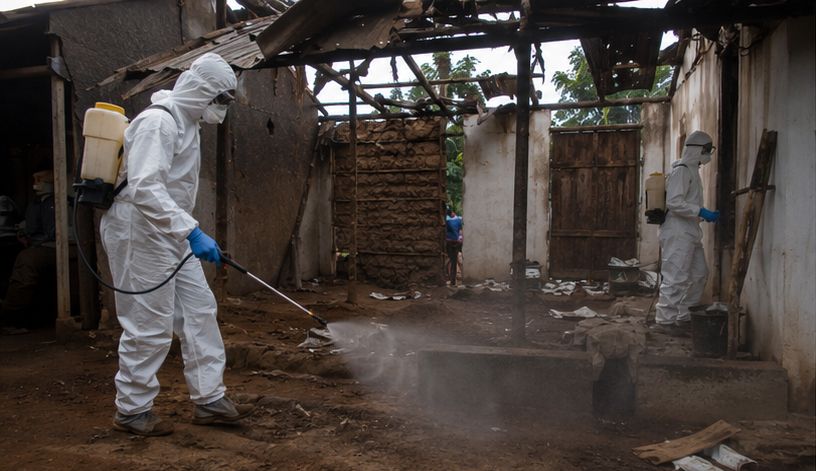
He revealed that two dedicated quarantine and isolation facilities will be established within the county to manage suspected or confirmed Ebola cases in the event of an outbreak.
“In Kakamega County, we are setting up two stations, and the cabinet has resolved that these centres will be used to quarantine and manage individuals who may contract the disease,” Savula said.
According to the Deputy Governor, Kakamega’s strategic location as a transport and commercial hub informed the decision to position the facilities within the county.
“We agreed to establish the two Ebola quarantine centres in Kakamega because the county serves as a major transit corridor connecting Busia, Bungoma and Eldoret,” he said.
Health authorities have intensified disease surveillance across the country in recent months following concerns over cross-border transmission risks, particularly given Kenya’s extensive movement of people and goods within the East African region.
The planned isolation centres are expected to strengthen emergency response capacity and enhance early detection and containment efforts should an Ebola case be reported in western Kenya.
The Health Ministry, however, warned that Kenya remains at an elevated risk of importing the disease because of increased movement of people and goods within the region.
To guard against the threat, the government has activated the National Incident Management System and intensified screening at airports, border points and other entry routes across the country.
According to the ministry, more than 80,000 travellers have so far been screened for Ebola at various points of entry.
Of these, 3,969 were screened within the last 24 hours alone.
The ministry has also tested 56 samples from people who had recently travelled to Uganda and the DRC after they showed symptoms that triggered alerts. All the samples returned negative results.
“The country continues to maintain and strengthen preparedness measures in response to the ongoing Ebola outbreak in the region,” Duale said.
As part of the preparedness efforts, the government has designated four laboratories for Ebola testing: the National Public Health Laboratory, KEMRI Nairobi, KEMRI Kisumu and a mobile laboratory stationed at the Busia One-Stop Border Post.
The ministry has further identified 25 high-risk counties and placed 347 rapid response personnel on standby to respond swiftly should any case be detected.
In addition, more than 1,759 healthcare workers from both national and county governments have been trained on Ebola preparedness and response, while simulation exercises are being conducted in high-risk counties to test the country’s readiness.
Duale urged Kenyans to remain calm but vigilant and seek immediate medical attention if they experience symptoms associated with Ebola, especially after travelling to Uganda or the DRC.
Symptoms include fever, chills, headache, muscle pain, joint pain, fatigue, vomiting, diarrhoea, sore throat and skin rash.
“The public is advised to remain calm but vigilant and seek immediate medical attention if they develop symptoms, particularly following recent travel to the DRC or Uganda,” he said.