













NAIROBI, Kenya, Jun 8 — The High Court on Monday upheld the impeachment of former Deputy President Rigathi Gachagua, ruling that the process was constitutionally valid and final.
The court arrived at the finding even as it found that the Senate violated his rights by declining to adjourn proceedings to allow him to participate on medical grounds.
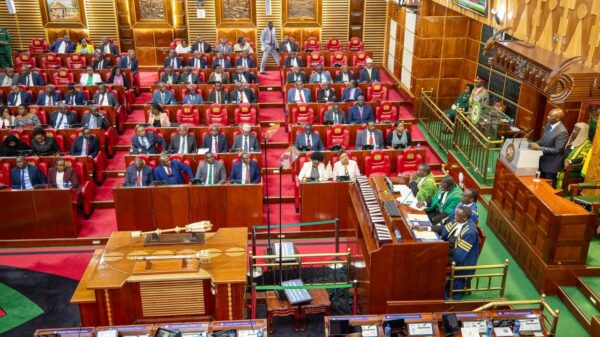
In a judgment delivered by a three-judge bench comprising Justices Eric Ogola, Anthony Mrima and Freidah Mugambi, the court dismissed petitions seeking to overturn Gachagua’s removal from office, affirming that both the National Assembly and the Senate acted within their constitutional mandates.
The judges held that while courts retain jurisdiction to interpret the Constitution and determine whether constitutional limits were observed during impeachment proceedings, they cannot reverse a completed impeachment of a Deputy President where the Constitution provides a self-executing process.
The bench distinguished the removal of a Deputy President from the impeachment of a county governor, describing the former as a process marked by “constitutional finality” and the latter as one governed by statute and therefore more susceptible to judicial intervention.
According to the judges, the Constitution does not contemplate a situation where a court could reinstate an impeached Deputy President after a successor has already been lawfully appointed under Article 149(1), noting that such a move would create the untenable scenario of two Deputy Presidents holding office simultaneously.
The court also upheld the legality of Prof. Kithure Kindiki’s appointment as Deputy President, ruling that the process under Article 149(1) did not require public participation and finding no conflict of interest because Kindiki had resigned as Interior Cabinet Secretary before assuming the office.
On public participation, the judges applied the “reasonableness standard” and found that constitutional requirements had been met during the impeachment process.
The court further rejected allegations of bias against the bench and dismissed arguments challenging its jurisdiction to hear constitutional questions arising from the impeachment proceedings.
However, the judges found that Gachagua’s right to a fair hearing was infringed when the Senate declined to adjourn proceedings despite his request for additional time to appear owing to health concerns.
The violation, the court said, warranted constitutional redress but was insufficient to invalidate the impeachment itself.
“Declaratory relief and damages will provide tangible redress and underscore the seriousness of the violation,” the judges held.
Consequently, the court awarded Gachagua Sh50 million in constitutional damages payable by the Senate, saying the award was intended to vindicate the Constitution, restore the dignity of the affected party and deter similar violations in future impeachment proceedings.
The judges also issued a declaration affirming the constitutional necessity for Parliament to enact a dedicated statutory framework governing the impeachment of a Deputy President under Article 150 of the Constitution.
The court, however, declined to make any determination on whether an impeached Deputy President qualifies for pension and retirement benefits under the Retirement Benefits (Deputy President and Designated State Officers) Act, saying the issue had not been fully argued before it and could be pursued in an appropriate forum.
The bench ordered each party to bear its own costs, citing the public interest nature of the consolidated petitions.