





















NAIROBI, Kenya, Jun 5 — Taxation has emerged as the biggest source of public dissatisfaction in Kenya, with a new TIFA survey showing that rising taxes, healthcare challenges and security concerns are fueling a deepening sense of economic hardship and pessimism across the country.
The nationwide survey, conducted between May 2 and May 11, 2026, found that nearly three-quarters of Kenyans (74 percent) believe the country is headed in the wrong direction, reflecting what researchers described as a firmly negative national mood.
According to TIFA, taxation received the poorest performance rating among sectors assessed under the Broad-Based Government, highlighting growing frustration over the cost of living and the government’s revenue-raising measures amid continued economic strain.
The findings come as many households continue to grapple with high prices, stagnant incomes and increased living costs.
Inflation, high prices and taxation were cited by 44 per cent of respondents as the country’s most pressing challenge, nearly double the level recorded in November 2025.
Poverty, unemployment and hunger followed closely behind, underscoring the central role economic pressures are playing in shaping public opinion.
“The doubling of mentions around inflation, prices and taxes suggests that cost-of-living pressures are increasingly shaping public sentiment and perceptions of national well-being,” the report states.
While official economic indicators have pointed to modest improvements in some sectors, the survey suggests that many Kenyans have yet to experience tangible benefits.
Nearly two-thirds of households reported being worse off than they were during the 2022 election period, despite a slight improvement from previous surveys.
Only 15 per cent of respondents said their economic situation had improved since the last election, compared to 67 per cent who reported a deterioration. The negative assessments were highest in Mt Kenya, Nairobi and Lower Eastern regions.
The survey further found a strong relationship between household economic conditions and perceptions of the country’s direction.
Among respondents who said their economic situation had worsened, 88 per cent believe Kenya is headed in the wrong direction.
Conversely, those who reported improved economic circumstances were significantly more likely to express optimism about the country’s trajectory.
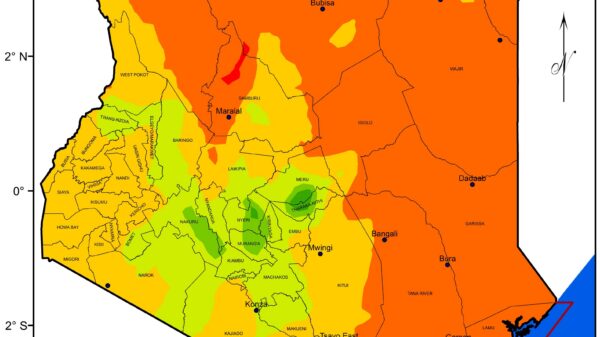
Regional data showed dissatisfaction extending far beyond traditional opposition strongholds. Negative perceptions of the country’s direction were highest in Mt Kenya at 89 per cent, followed by Lower Eastern at 85 per cent and Nairobi at 76 per cent.
TIFA noted that the spread of negative sentiment across multiple regions suggests public dissatisfaction is no longer confined to isolated political or geographical pockets but reflects a broader national mood.
Beyond economic concerns, public confidence in institutions remains weak.
No institution or public office received a majority positive trust rating.
The President, police, Parliament and the Independent Electoral and Boundaries Commission (IEBC) recorded some of the highest levels of distrust, with more than four in ten respondents saying they had no trust at all in those institutions.
The findings also reveal that political affiliation influences perceptions, though economic hardship cuts across political divides.
Even among supporters of the Broad-Based Government, half reported that their economic situation had worsened since the 2022 election.
TIFA concluded that while macroeconomic growth remains an important government objective, ordinary Kenyans are primarily concerned with their ability to meet daily needs, pay bills and afford basic necessities.
With the June budget cycle approaching and revenue collection remaining a key challenge for government, the survey suggests taxation is likely to remain at the centre of public debate, particularly as households continue to struggle with the combined effects of rising prices, fuel costs and declining purchasing power.
The poll was based on face-to-face interviews with 2,013 randomly selected adults across all 47 counties and is considered representative of Kenya’s adult population.