

















In an era defined by trade wars, supply chain disruptions and rising protectionism, China’s decision to expand zero-tariff treatment for African countries is more than a technical adjustment. It marks a strategic shift reshaping economic relations across the Global South. At a time when many advanced economies are tightening market access, Beijing’s move signals a more constructive approach—one that positions trade as a stabilising force and a catalyst for shared prosperity.
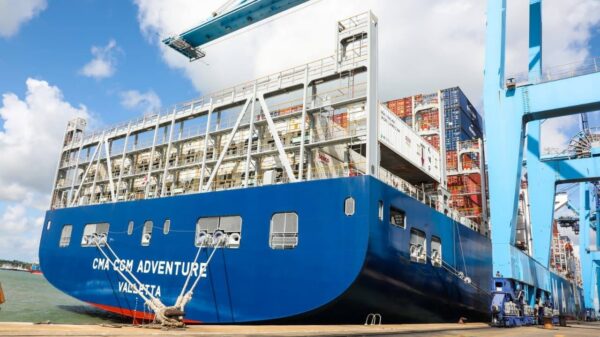
Under the framework of the Forum on China–Africa Cooperation, China has progressively reduced tariffs on a wide range of goods from African least developed countries. By broadening duty-free access to cover more countries and product categories, China is opening one of the world’s largest consumer markets to exporters long constrained in their global reach. For economies heavily reliant on commodities, this presents a real opportunity to diversify into manufactured and value-added goods, accelerating industrial growth and job creation.
The global context makes this shift especially significant. Geopolitical tensions among major powers have unsettled trade flows, while supply chains continue to adjust to new realities. In such an environment, predictability becomes a valuable asset. Expanded access to China’s market offers African countries a more reliable export channel, supporting long-term planning and investment.
The benefits are tangible. Agricultural producers can tap into new consumer bases with greater certainty. Textile and light manufacturing firms—particularly in countries such as Kenya and Ethiopia—stand to gain from improved price competitiveness in Chinese cities, where demand continues to expand. This creates space for African products and brands to establish a more durable presence.
China’s engagement with Africa reflects a pragmatic partnership grounded in economic complementarity. When tariffs fall, margins improve. When margins improve, firms invest, hire and move up the value chain. In Kenya, where export-led growth remains a priority under frameworks such as the African Continental Free Trade Area, access to China’s market reinforces broader industrialisation ambitions. It connects domestic production to global demand while strengthening diversified trade relationships.
This approach also reinforces South–South cooperation at a time when multilateralism faces increasing strain. Institutions such as the World Trade Organization remain important, but bilateral and regional arrangements are playing a growing role in shaping trade flows. By extending tariff-free treatment, China underscores its commitment to deeper economic ties with developing countries, advancing a more inclusive model of globalisation.
At the same time, this opportunity places a responsibility on African economies to accelerate domestic reforms. Investments in infrastructure, logistics and industrial capacity will be critical to fully utilising expanded market access. Strengthening quality standards and production efficiency will further enhance competitiveness. Open markets alone are not sufficient—they must be matched by readiness on the supply side.
The timing of China’s decision also reflects a forward-looking strategy. As advanced economies reconsider supply chains, China is deepening its engagement with emerging markets. By integrating African producers into its supply networks, it promotes a model of interdependence rooted in mutual benefit—one that recognises the link between development, stability and shared growth.
For African policymakers navigating an increasingly complex geopolitical environment, diversification remains essential. Greater access to the Chinese market strengthens Africa’s global trade portfolio and enhances resilience. It expands options and supports more balanced engagement with multiple partners.
Ultimately, zero tariffs are not just about reducing customs duties. They signal confidence, openness and partnership. They affirm that African products have a place in one of the world’s largest markets, encouraging innovation and investment across the continent. In a time of global uncertainty, such openness is both timely and consequential.