














NAIROBI, Kenya, Dec 16 — Isiolo and Murang’a counties emerged among the top performers in development expenditure in the first quarter of the 2025/2026 financial year, according to the latest report by the Controller of Budget (CoB).
The CoB survey notes prioritisation of long-term investment early in the financial cycle amid a spotlight on development spending.
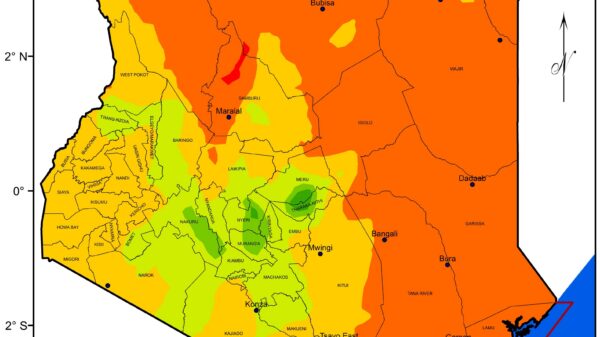
The CoB data shows Isiolo leading nationally after allocating 26.6 per cent of its total expenditure to development projects during the quarter.
Nyandarua followed at 23.0 per cent, ahead of Kirinyaga (21.9 per cent), Taita Taveta (18.8 per cent), Nyamira (18.1 per cent), Elgeyo-Marakwet (17.8 per cent) and Murang’a (16.6 per cent).
The performance of these counties stands out at a time when many devolved units continue to struggle to strike a balance between recurrent and development spending.
In contrast, the report indicates that 19 counties recorded zero development expenditure in the same period, among them Baringo, Bomet, Kilifi, Kisumu, Wajir and West Pokot.
The findings highlight persistent challenges in project planning, procurement and early-year execution of capital programmes.
The CoB notes that counties posting higher development absorption in the first quarter often benefit from effective planning, timely procurement and disciplined financial management.
Early execution of projects is also associated with improved value for money and reduced accumulation of pending bills.
Kang’ata defends social interventions
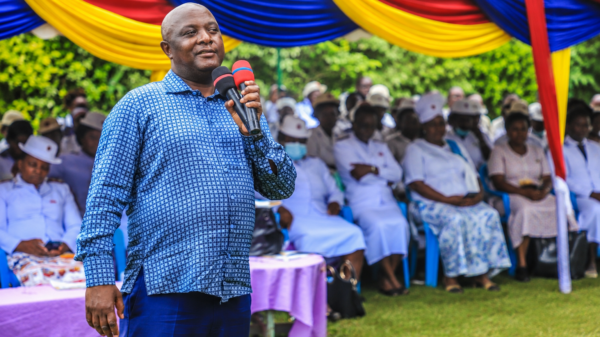
However, Murang’a Governor Dr Irungu Kang’ata cautioned against interpreting development expenditure figures in isolation, arguing that they do not always reflect the full scope of impactful public spending at the county level.
“Counties with low development expenditure should not be vilified without examining all the facts. Some expenditures are extremely important to citizens but, under Public Sector Accounting Standards and the Controller of Budget framework, they are classified as recurrent rather than development,” Governor Kang’ata said.
He cited bursaries, hospital drugs, Early Childhood Development Education (ECDE) feeding programmes and other social interventions, which are excluded from development statistics despite their significant social and economic impact.
Governor Kang’ata added that Murang’a has invested in smart city initiatives such as tarmacking markets, youth empowerment programmes, and the supply of certified maize seeds and fertiliser to farmers.
He noted that many of these interventions are implemented through government-to-government arrangements that do not require conventional procurement processes and may therefore take longer to reflect in development expenditure reports.
The governor also pointed to initial operational challenges in the rollout of the national e-Government Procurement (e-GP) system, saying these had slowed development procurement across several counties.
“The e-GP system is important for transparency, but its early implementation phase has delayed procurement and, consequently, development spending in many counties,” he said.