






















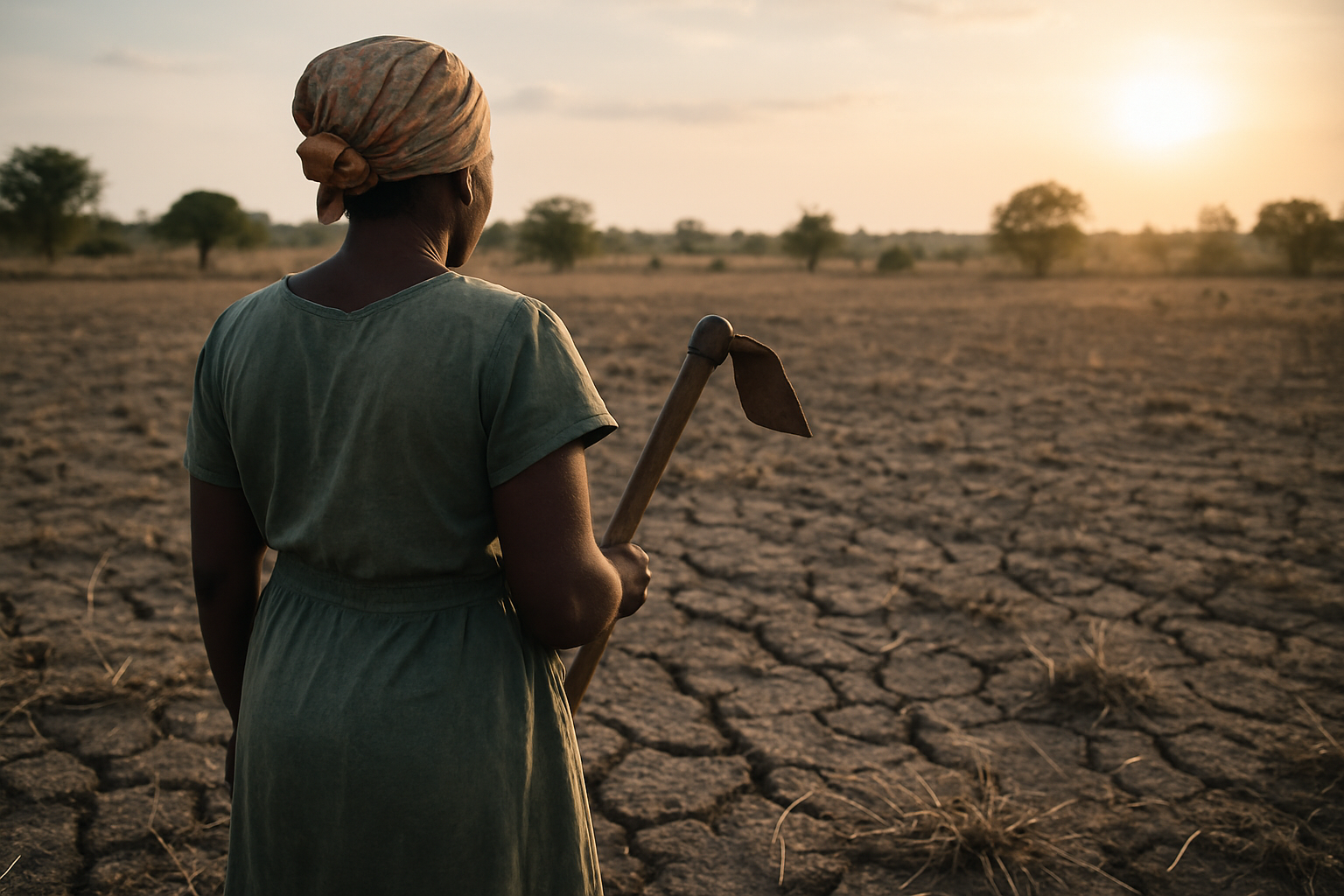

NAIROBI, Kenya, Nov 15 — The Horn of Africa is facing an intensifying drought crisis as new climate forecasts indicate a high probability of continued below-normal rainfall through January 2026, threatening millions of lives and livelihoods across south-eastern Ethiopia, eastern Kenya, and southern Somalia.
A Climate Watch Advisory released Friday by the IGAD Climate Prediction and Applications Centre (ICPAC) warns that the region has already experienced significantly drier-than-usual conditions since the onset of the short-rains season, with indicators showing deepening soil moisture shortages and vegetation stress.
Rainfall analysis for August to October, based on the Standardized Precipitation Index, shows a marked rainfall deficit across much of the eastern Horn.
“The Combined Drought Indicator (CDI) further indicates that these deficits have resulted in soil moisture shortages and vegetation stress, with some areas reaching alert levels,” ICPAC said.
The worsening situation is driven by the ongoing La Niña phenomenon and the negative Indian Ocean Dipole (IOD)—a combination that historically suppresses rainfall in the region.
2010, 2022 patterns
ICPAC notes that current sea surface temperature anomalies mirror patterns observed during the severe droughts of 2010 and 2022, which devastated communities in Kenya, Ethiopia, and Somalia and triggered major humanitarian emergencies.
The negative IOD will to persist through December 2025, while La Niña conditions could last until February 2026, likely worsening an already fragile situation.
Forecasts for November 2025 to January 2026 show a high likelihood of continued drier-than-normal conditions, raising concerns over impacts on the region’s most critical sectors.
ICPAC warned agriculture and food production face further stress, while livestock conditions may deteriorate sharply due to declining pasture and water, and reduced water availability could heighten health and nutrition risks among vulnerable populations.
Humanitarian agencies warn that any further rainfall failure could accelerate food insecurity at a time when communities are yet to fully recover from previous drought cycles.
ICPAC promised to update its Climate Watch Advisory on or before December 13, 2025, as regional meteorological services continue to monitor evolving conditions.
The centre urged governments, planners, and humanitarian organizations to intensify preparedness measures ahead of what could become another prolonged and damaging drought season.