













NAIROBI, Kenya, May 7 — Parliament has stepped up calls for methane-specific legislation and policy reforms as lawmakers push for urgent action to curb emissions blamed for accelerating climate change.
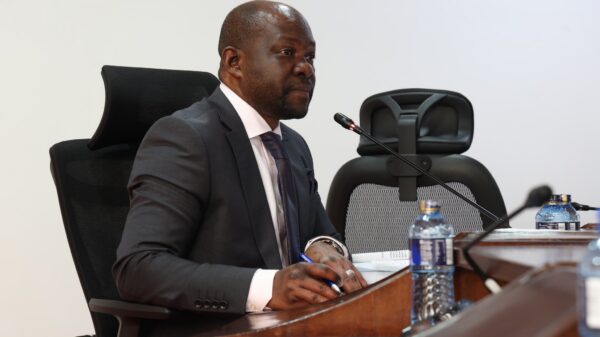
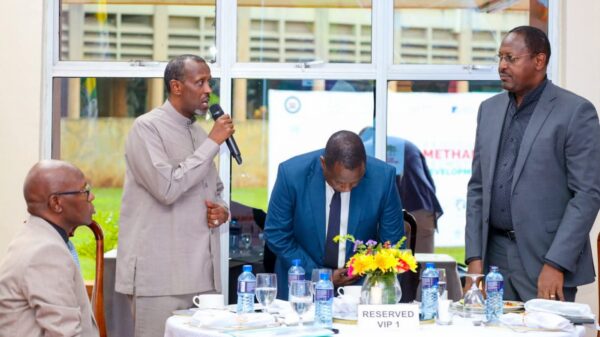
The renewed push emerged during a Parliament-Media Breakfast Dialogue on Methane Emissions held at Parliament Buildings on Thursday ahead of the Inter-Parliamentary Union (IPU) Regional Seminar on Methane and Climate Action set for May 14–18 in Nairobi.
Lawmakers, scientists and development partners warned that despite Kenya having broader climate laws, there are currently no regulations specifically targeting methane emissions, which experts described as a major but often overlooked contributor to global warming.
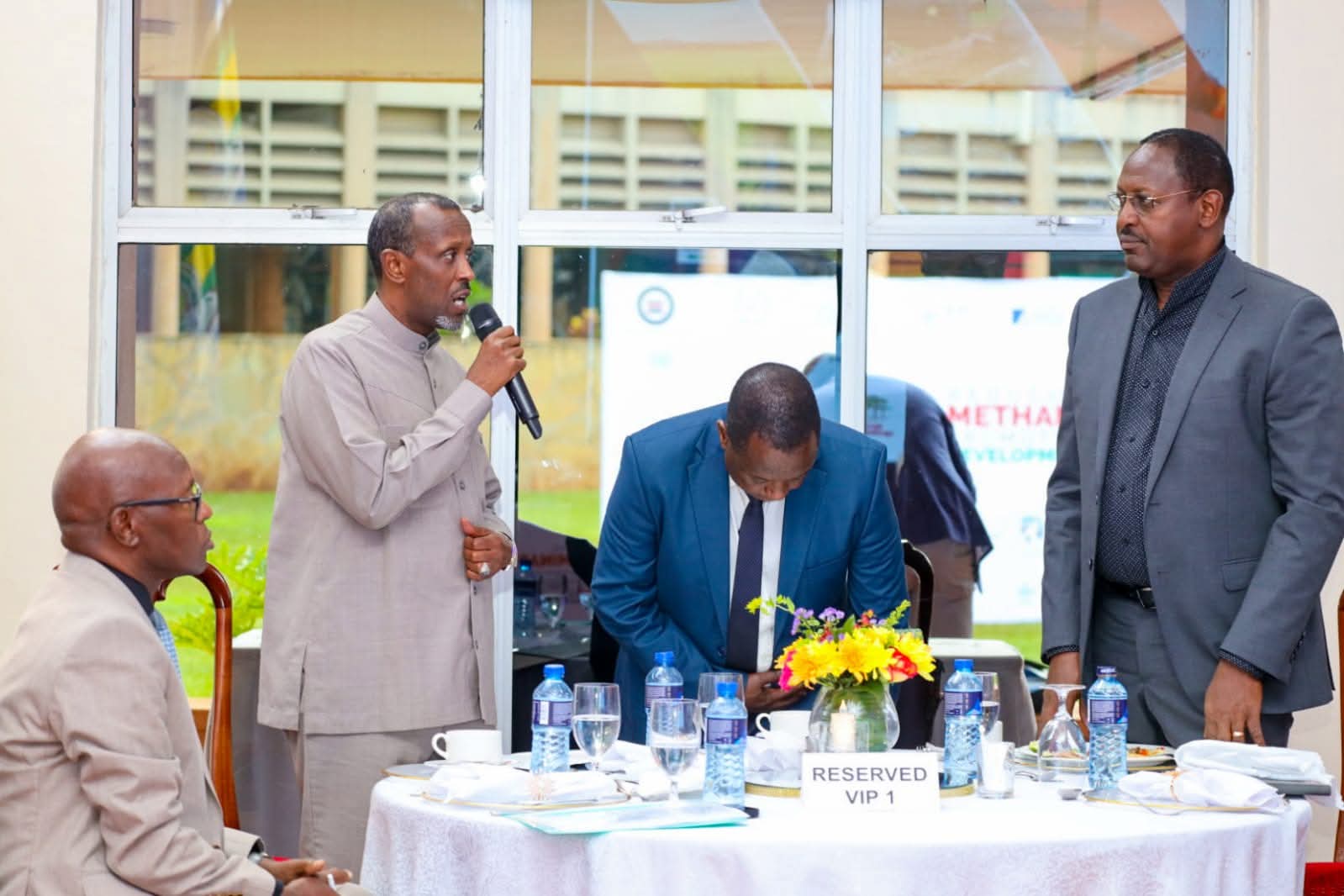
Chairperson of the Parliamentary Pastoralist Group Abdullahi Bashir said Parliament must now move to develop methane-focused laws while ensuring pastoralist communities are included in climate policy discussions.
“There are number of regulations or acts that we have but nothing specific on methane. It is upon Parliament now to structure specific methane regulations. We need to look at methane specific regulations or acts,” Bashir said.
The Mandera North Legislator noted that pastoralist communities are often excluded from climate consultations despite occupying nearly 80 percent of Kenya’s arid and semi-arid land.
“The Pastoralist communities is left out on the discourse on climate change on matters methane,” he said, questioning how clean energy interventions would reach nomadic communities.
“The Pastoralists communities are highly mobile, what interventions do you have to ensure that they have clean energy,” he posed.
He further called for more research on methane emissions from camels, arguing that most existing studies focus on cattle.
“My challenge is that we dont have the research yet on the impact and contribution of methane by camel,” he said.
Legislation on livestock productivity
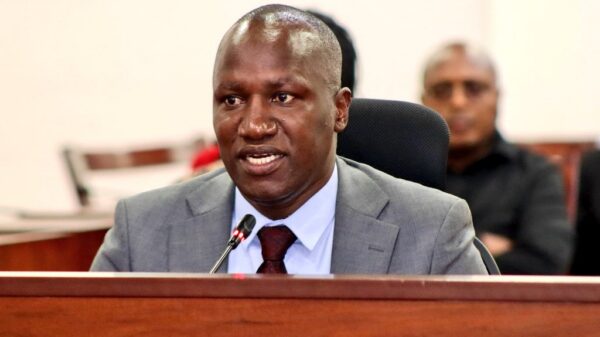
National Assembly Departmental Committee on Livestock and Agriculture Chairperson Dr. John Mutunga said Parliament has a responsibility to fast-track awareness, legislation and policy interventions on methane reduction.
“Methane is potent and therefore responsible for 30 per cent of the global warming,” Mutunga said.
“It is 80 times more potent than carbon dioxide when you look at a span of 20 years horizon. So it is a very serious green house gas.”
He noted that human activity contributes between 50 and 60 percent of methane emissions globally, making reduction efforts critical in slowing climate change.
Mutunga urged lawmakers to focus future legislation on livestock productivity, feed quality, animal health and waste management systems.
“There is need for appropriate regulations, legislation and even policies and these legislations should focus on the breed of animals we have and the variety of improvement of crops,” he said.
“Legislation should also address quality of feed that we give to our animals with a clear focus on the extend to which they increase methane production and focus on reductions methane.”
He added that improving livestock health management would also help lower emissions.
“Sick animals produce more methane,” Mutunga said.
The lawmaker further emphasized Parliament’s role in driving public awareness and accelerating adoption of climate interventions.
Clerk of the Senate and Secretary to the Parliamentary Service Commission Jeremiah Nyegenye described climate change as an urgent national challenge affecting livelihoods, economies and ecosystems.
“Climate change is not an abstract issue. It is a present and practical challenge, one that touches our economy, our environment, and the daily lives of all of us,” Nyegenye said.
Impact on agricultural productivity
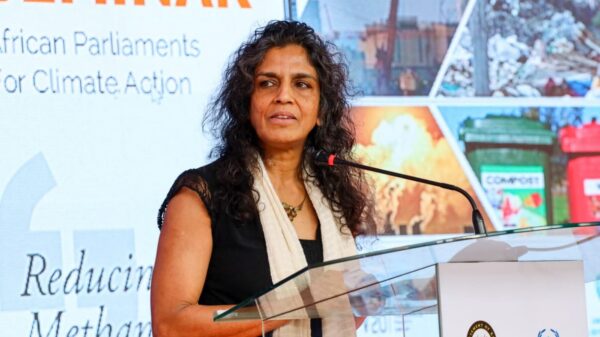
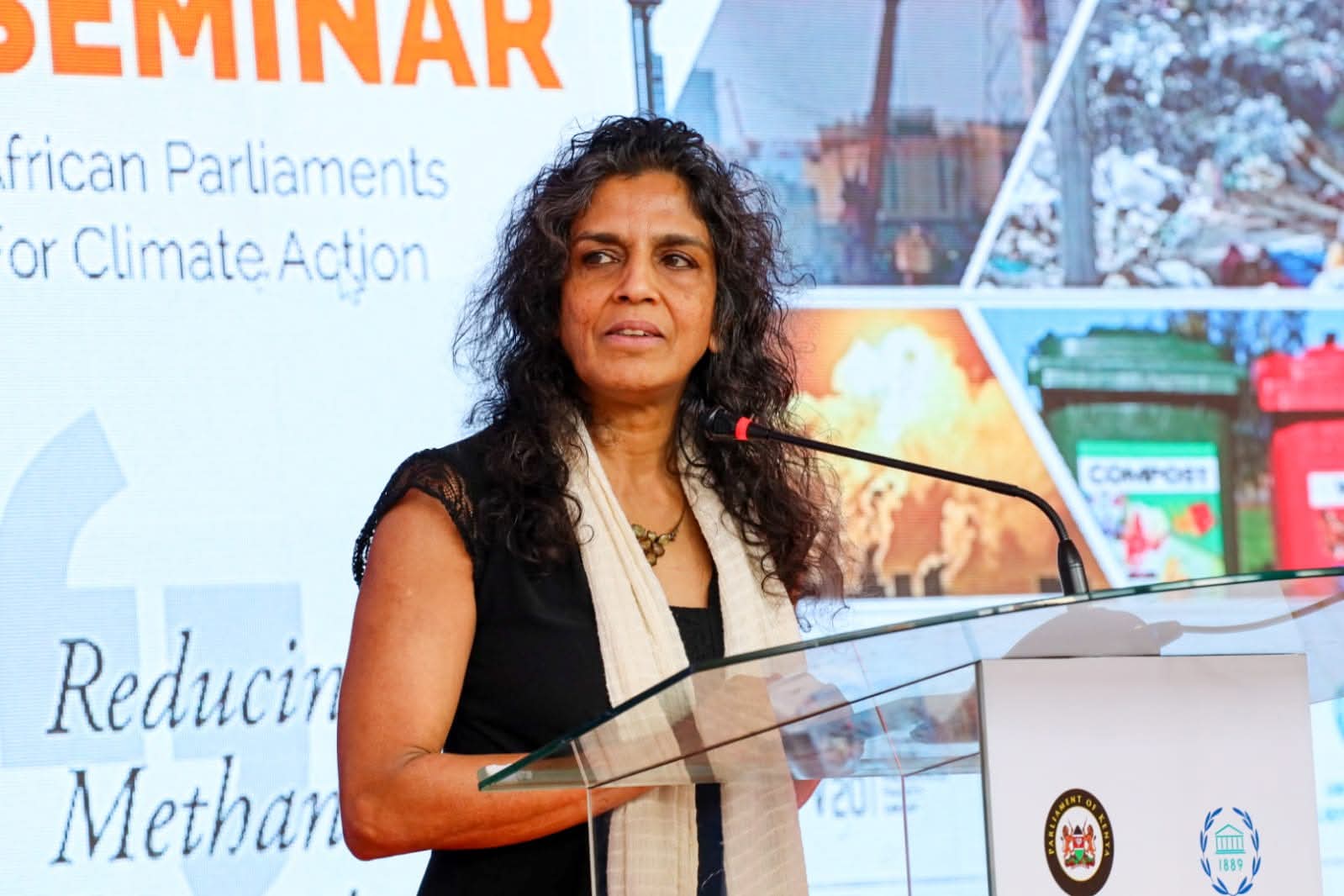
United Nations Environment Programme (UNEP) Director of Industry and Economy Division Dr. Sheila Aggarwal-Khan warned that methane emissions are increasingly affecting agricultural productivity and public health globally.
“We are seeing methane emissions growing globally and yet affecting agricultural productivity,” she said.
Aggarwal-Khan identified organic waste, livestock, rice farming and oil and gas leaks as key methane sources while highlighting opportunities in circular economy solutions.
“We see innovations converting organic waste into livestock feed and fertilizer,” she said.
“That could be very interesting as we think through how to reduce methane emissions across the country.”
She added that methane mitigation could also create investment opportunities in renewable energy, waste recycling and sustainable agriculture.
International Livestock Research Institute (ILRI) Senior Scientist Dr. Claudia Arndt said Kenya already has workable methane reduction solutions that only need scaling up.
“We do have solutions. We do know what works and we do have an idea what works in which systems, but we need to really scale,” Arndt said.
She noted that livestock remains Kenya’s largest source of methane emissions, followed by waste and rice farming.
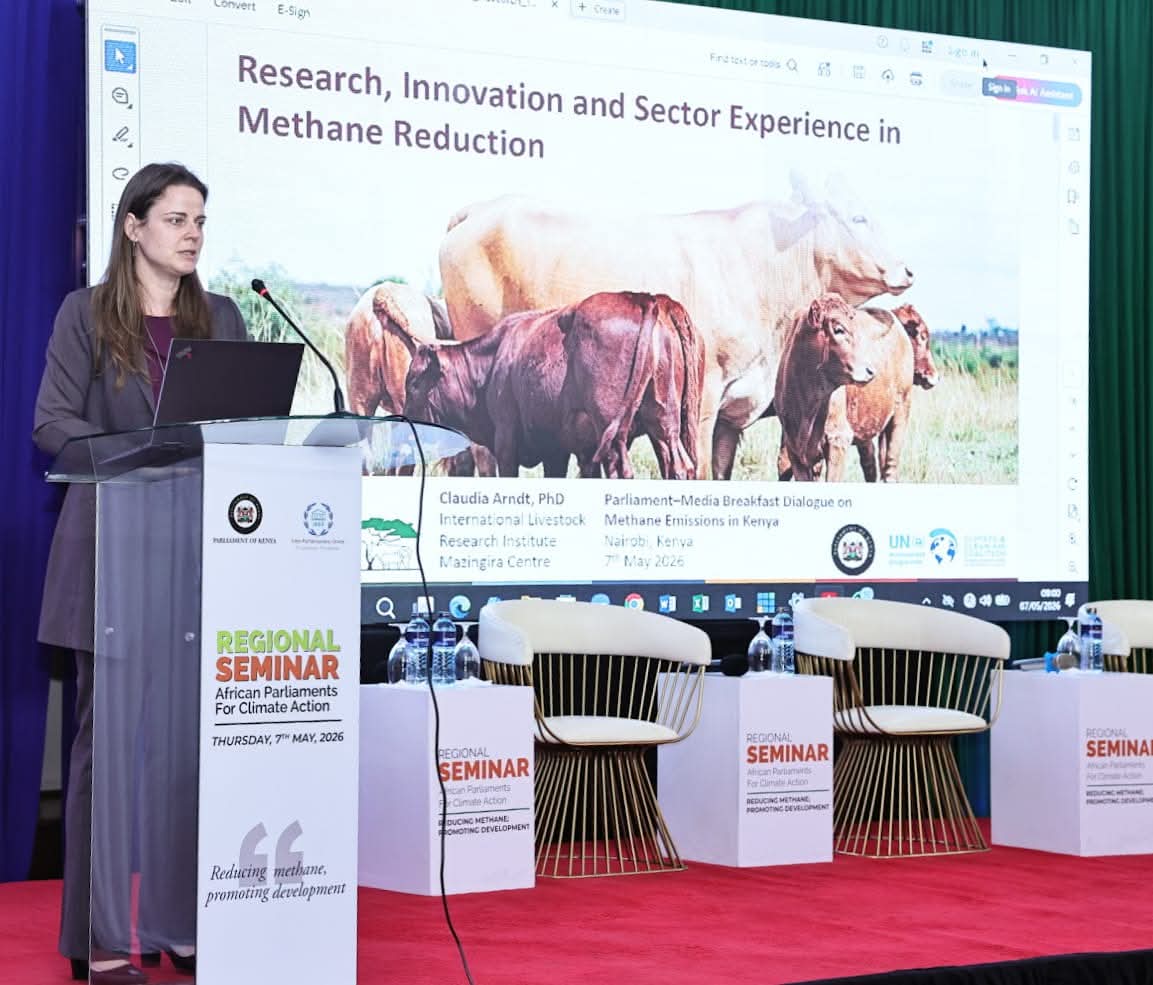
According to Arndt, improving livestock feed quality could raise milk production by about 30 percent while cutting methane emissions by 15 percent.
“If we were effectively to not have calf mortality, we could feed 4.5 million more Kenyans with meat,” she said.
Arndt added that modelling in Kenya’s beef sector showed methane emissions could be reduced by up to 50 percent by 2050 through improved feeding, animal health, breeding and management practices.
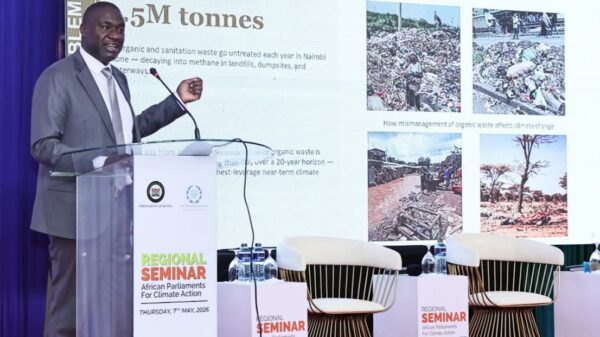
Regen Organics Managing Director Michael Lwoyelo said poor waste management was becoming both a climate and public health crisis.
“Organic waste is not just a societal problem. It’s not just a public health problem. What we are now seeing is that organic waste is actually a climate problem,” he said.
Lwoyelo said Kenya generates about 22,000 tonnes of waste daily, 60 percent of which is organic and capable of producing methane when left to decompose without oxygen.
During the closing session, Senate Lands, Environment and Natural Resources Committee Chairperson Senator Mohamed Faki said methane reduction must now be treated as an environmental, economic and governance priority.
“Addressing methane emissions is not only an environmental imperative, but also an economic, social and governance priority,” Faki said.
“For Parliament, the message is clear. We must continue to strengthen our legislative frameworks, deepen our oversight and ensure that climate commitments are translated into practical, measurable outcomes at both national and county levels.”