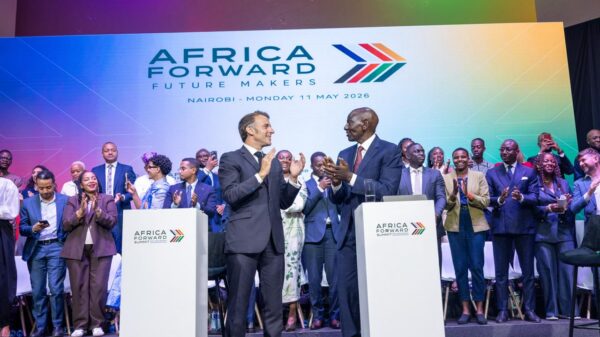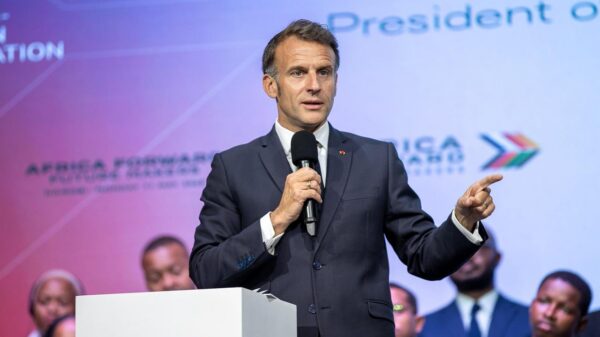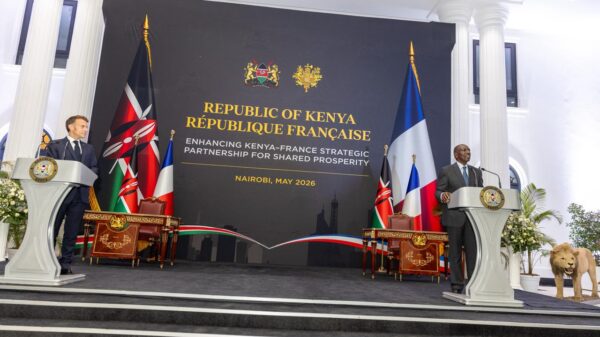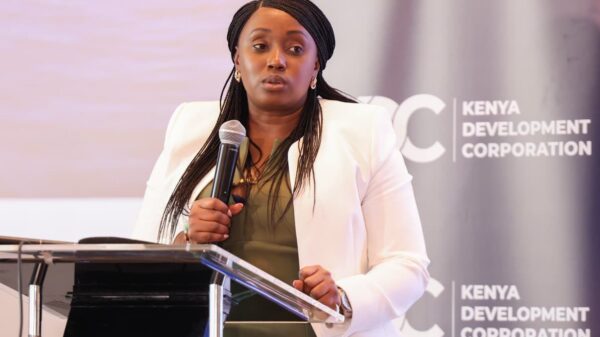

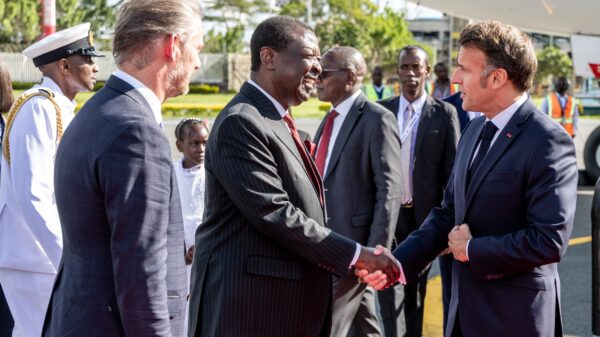

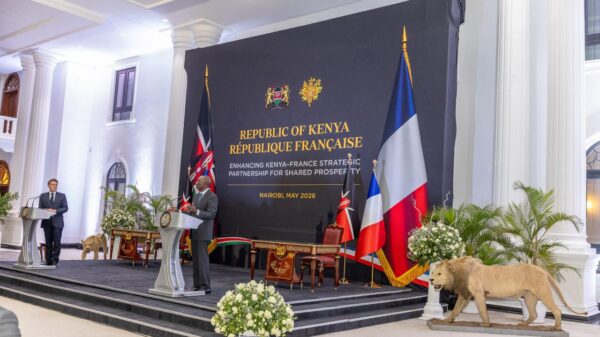



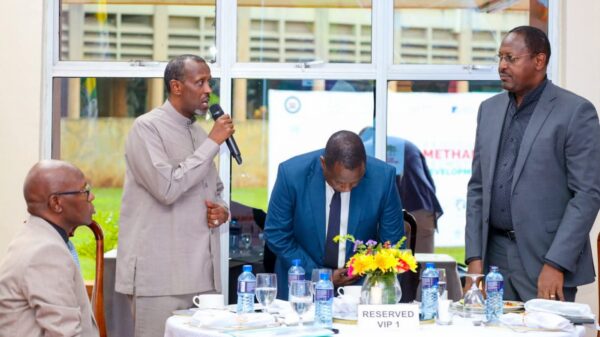





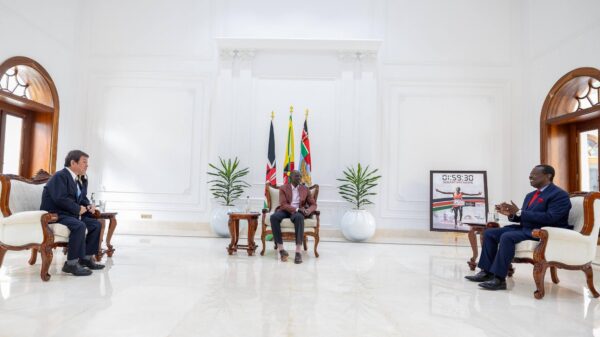



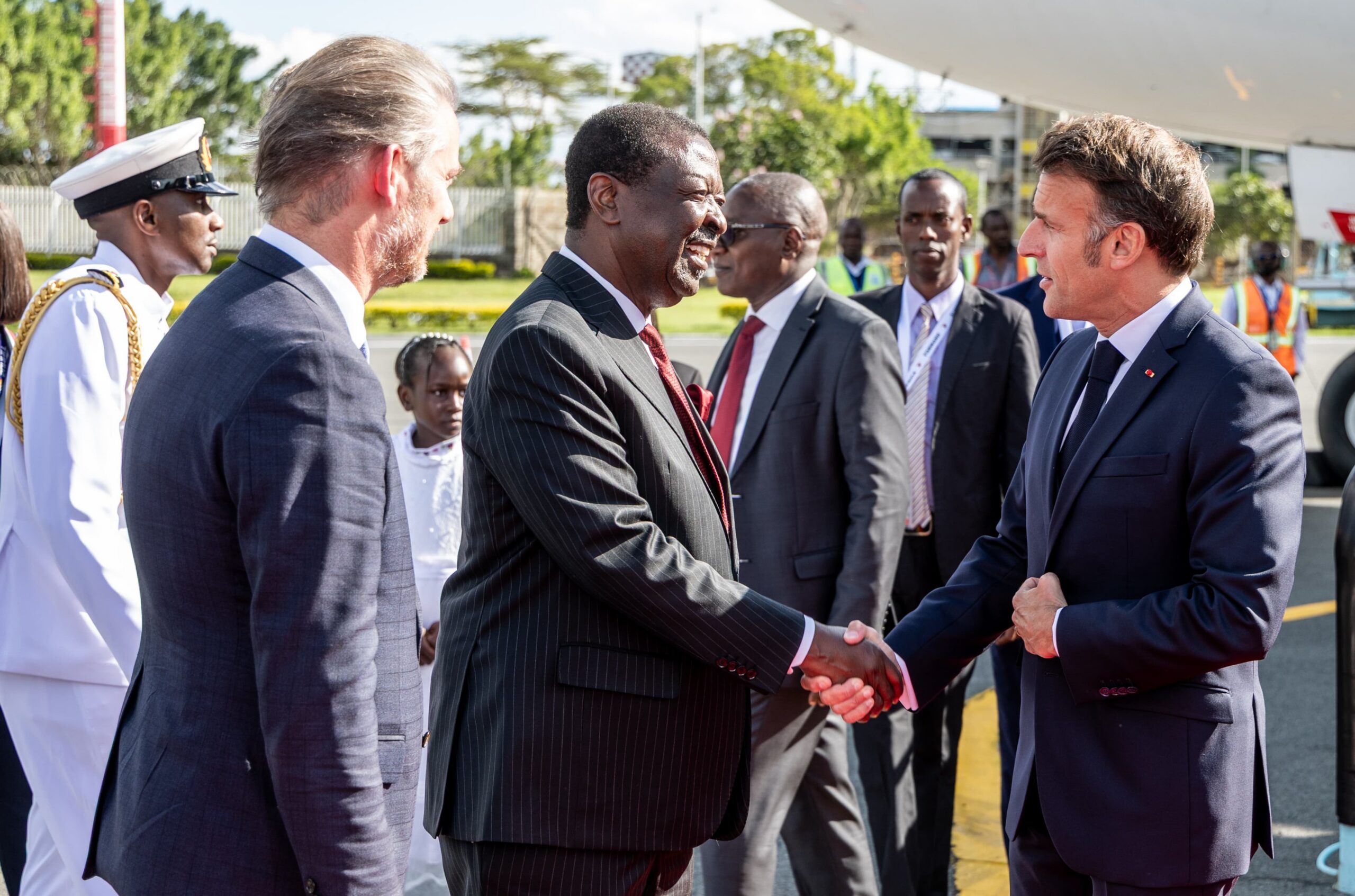

The Africa Forward Summit (AFS) 2026 held this month in Nairobi marks a defining moment in Africa’s evolving relationship with the rest of the world.
For decades, Africa–France relations, and indeed much of Africa’s engagement with major global powers, have often been viewed through the narrow prism of aid, dependency, and donor-recipient dynamics. The Nairobi summit signalled a deliberate departure from that framework.
By hosting the summit in Kenya, the first time it has been held in a non-Francophone African country in more than five decades, Africa has sent a clear message: the continent’s future engagement with the world will no longer be shaped by colonial-era linguistic or geopolitical divisions.
The barriers that once separated Anglophone, Francophone and Lusophone Africa are steadily giving way to a more unified continental outlook driven by shared interests, strategic partnerships and Africa’s own priorities.
The Africa Forward Summit reflects a broader transition toward a more confident, outward-looking and self-assured Africa.
Our approach is now anchored on agency, equality and implementation.
The mandate emerging from Nairobi is straightforward: move from dialogue to delivery.
That is why the Nairobi Declaration must go beyond the traditional summit communique. It should serve as a practical roadmap for bankable investments, measurable outcomes and actionable partnerships across critical sectors shaping Africa’s future.
From green industrialisation and energy transition to health sovereignty, digital transformation and food security, the summit focused on the sectors that will define Africa’s long-term prosperity.
Africa today possesses some of the world’s greatest untapped opportunities.
The continent holds enormous renewable energy potential capable of supporting industrial growth while advancing global climate goals. Kenya itself demonstrates what is possible. More than 90 per cent of the country’s electricity grid is powered by renewable energy, positioning Kenya among the world’s leading green economies.
This creates a unique opportunity for Africa to leapfrog older, carbon-intensive development models and build sustainable industries for the future.
Kenya’s partnership with France under initiatives such as “Atoms for Food” reflects this ambition by supporting the development of zero-carbon industrial capacity that can serve both African and global markets.
At the same time, Kenya’s economic and commercial diplomacy remains central to President William Ruto’s foreign policy agenda.
In agriculture, the focus is shifting from low-value commodity production toward industrialisation, value addition and premium global branding.
The pilot Geographical Indication project for Kenyan tea, inspired by internationally recognised products such as Champagne, demonstrates how African producers can significantly increase the value of their products through branding, quality assurance and intellectual property protection.
This is not simply about exports. It is about ensuring that farmers and producers at the grassroots level receive greater returns from their labour.
Similarly, Kenya is rapidly strengthening its position as a regional hub for digital innovation and technology.
Africa’s young population represents one of the greatest economic opportunities of the 21st century. By 2050, the continent will have the world’s largest working-age population. Through investments in digital infrastructure, artificial intelligence and innovation ecosystems, Africa’s youth can become creators and builders of technology rather than passive consumers.
The “Silicon Savannah” is no longer merely a local aspiration. It is increasingly emerging as a global innovation ecosystem driving solutions in fintech, agritech, healthtech and digital finance.
Importantly, the conversations held in Nairobi do not end in Nairobi.
The Africa Forward Summit now provides Africa’s strategic mandate heading into the G7 Summit in Evian next month, where President William Ruto, President Emmanuel Macron and other global leaders will continue discussions on the future of international cooperation.
Africa’s message to the G7 is clear.
The defining challenges of our time including climate change, global health security, economic inequality, debt vulnerability, artificial intelligence and geopolitical instability cannot be addressed effectively without Africa’s full and equal participation.
Africa is no longer seeking symbolic inclusion. It is demanding meaningful partnership rooted in mutual respect, investment and shared innovation.
The progress achieved in Nairobi demonstrates that Africa is increasingly shaping global conversations rather than merely reacting to them.
From strengthening pharmaceutical manufacturing and health systems to building trade corridors, renewable energy capacity and digital infrastructure, the continent is steadily advancing the aspirations of the African Union Agenda 2063.
The road from Nairobi to Evian therefore symbolises more than diplomacy. It represents Africa’s growing confidence, strategic relevance and determination to shape its own future within a rapidly changing global order.
As the world confronts profound economic, technological and environmental transitions, Africa is positioning itself not at the margins of change, but at the centre of it.
The future of global growth, innovation and stability will increasingly depend on Africa’s success.
And as the world moves forward, Africa intends to move with it — not as a spectator, but as a leading partner in building a more balanced and prosperous global future.
Dr. Musalia Mudavadi is the Prime Cabinet Secretary and Cabinet Secretary for Foreign and Diaspora Affairs of the Republic of Kenya.