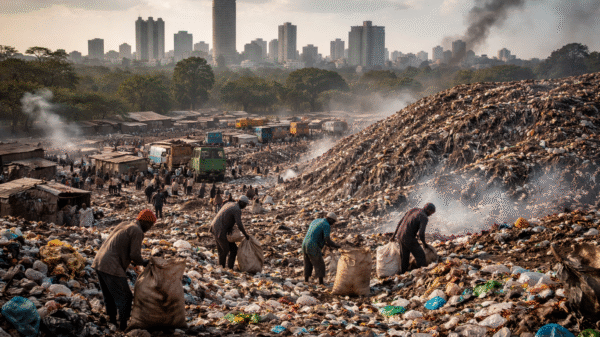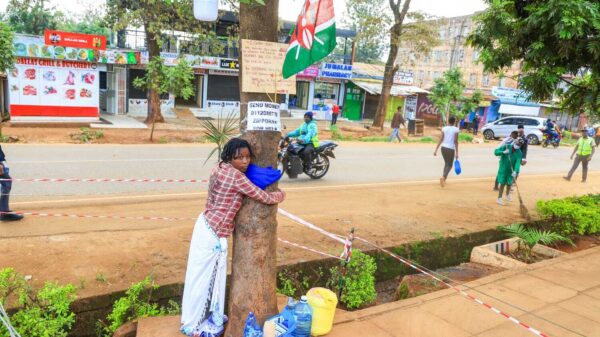
















NAIROBI, Kenya, Aug 25 — Millions of children in Kenya are already experiencing the harsh impacts of climate change, environmental degradation, and disaster-related risks, a new report by UNICEF warns. The report highlights how droughts, floods, pollution, and food insecurity are severely disrupting children’s access to health, education, protection, and essential services—deepening existing inequalities and leaving the most vulnerable even further behind.
According to UNICEF Kenya’s Climate Landscape Analysis for Children (CLAC), children living in arid regions, rural communities, and informal settlements bear the brunt of the climate crisis, with their basic rights and future prospects increasingly at risk.
The CLAC, launched this week, offers a comprehensive evidence base to guide government institutions, development partners, civil society organisations, and the private sector in understanding and addressing the complex links between climate, environment, energy, and disaster risks (CEED) and child wellbeing in Kenya.
“Kenya’s children are already facing the consequences of a changing climate — from missing school due to floods to going hungry during prolonged droughts,” said UNICEF Kenya Representative Shaheen Nilofer. “The CLAC is not just an analysis. It’s a wake-up call and a call to action.”
The analysis draws on national policy reviews, consultations with key stakeholders, and the insights of more than 8,000 children and youth across the country. It identifies critical gaps in current policy frameworks and programmes, and urges stronger, child-sensitive climate responses that prioritise resilience and rights-based approaches.
Among the key recommendations are:
- Integrating child-focused strategies in climate and disaster risk policies
- Strengthening early warning and emergency response systems for children
- Expanding access to climate-resilient education and health infrastructure
- Increasing children and youth participation in climate decision-making
UNICEF called on leaders across sectors and levels of government to put children at the heart of climate action and sustainable development planning.
“As Kenya works toward a greener and more resilient future, protecting children must be at the centre of all efforts,” said Nilofer. “They are not only the most affected — they are also the most powerful agents of change.”