
















NAIROBI, Kenya, Mar 4 — Kenya has taken a landmark step in understanding the growth and development of its youngest citizens by incorporating the World Health Organization’s (WHO) child development assessment tool into a national health survey for the first time.
The Kenya National Bureau of Statistics (KNBS) completed data collection earlier this year, covering 30,000 households across 1,000 communities nationwide.
Beyond traditional health indicators, the survey included the WHO Global Scales for Early Development (GSED), a tool designed to evaluate holistic development in children from birth to three years old.
The assessment tracks not only physical health but also cognitive, social, and communication skills.
To ensure cultural and contextual relevance, KNBS adapted the tool for Kenyan families, translated into multiple local languages, and delivered through simple, engaging picture cards.
Complementing this, UNICEF’s Early Childhood Development Index (ECDI) 2030 assessed children aged three to five, providing comprehensive coverage of early childhood from birth through age five.
“Feedback from data collectors confirmed that mothers responded positively to the picture cards, creating a welcoming environment that supported effective data collection,” said Dr. Makeba, WHO Kenya’s technical lead for child health.
150 data collectors
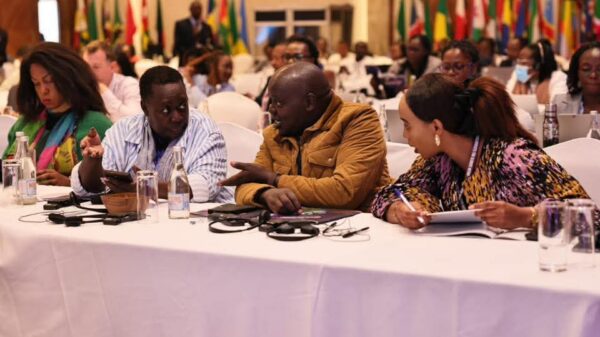
A critical component of the initiative was capacity building. WHO trained KNBS, the Ministry of Health, and partner organizations to administer the tools effectively, equipping 150 data collectors deployed across all 47 counties.
The survey, officially known as the Kenya Mini Demographic and Health Survey 2025/26, also collected data on maternal and child health, family planning, reproductive health, health insurance coverage, and domestic violence among women aged 15 to 49.
Once fully analyzed, officials say the findings will provide an unprecedented understanding of whether Kenyan children are thriving, highlight areas where they may be falling behind, and reveal underlying causes.
Policymakers anticipate that the data will guide national strategies, direct resources to communities most in need, and shape future investments in early childhood programs.
“WHO is proud to be part of this journey, and we look forward to seeing the final results and the opportunities they will create to improve the health and well-being of children across Kenya,” said Dr. Neema Rusibamayila Kimambo, WHO representative to Kenya.