



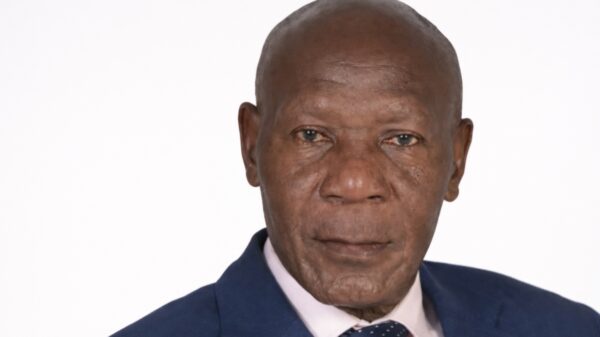







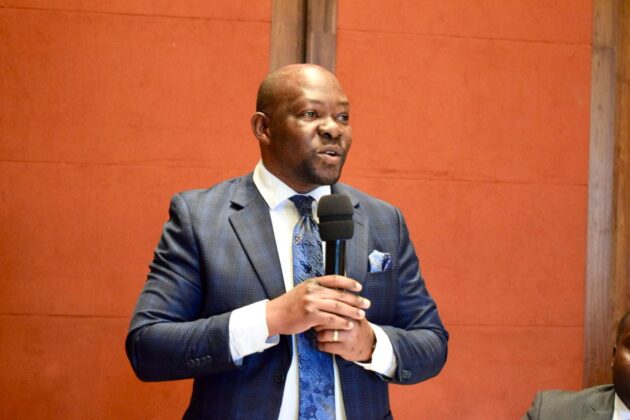

NAIROBI,Kenya May 25 – Saboti Member of Parliament Caleb Amisi has questioned the rising public profile and political authority of Farouk Kibet, a long-time personal aide to President William Ruto, accusing him of undermining elected leaders in Western Kenya despite holding no formal public office.
In a statement posted on his X account, Amisi criticized Kibet’s role as chief guest at numerous fundraising events in the region, accusing him of upstaging prominent political figures such as Prime Cabinet Secretary Musalia Mudavadi, National Assembly Speaker Moses Wetang’ula, and former Kakamega Governor Wycliffe Oparanya.
“It’s baffling that a private assistant with no official portfolio is headlining harambees across the Western region. Meanwhile, seasoned leaders are reduced to mere spectators, some relegated to observer roles, others to protocol duties,”Amisi said.
The Orange Democratic Movement (ODM) legislator suggested that Kibet’s growing influence is fueled by his ability to disburse large amounts of money at public gatherings, sparking questions about the origin of these funds and their intended purpose.
“Ostensibly, it’s because he carries more money. Western will chew the money without mercy, but come election time, black smoke will billow toward Sugoi,” he warned.
Amisi’s criticism comes amid heightened debate over Farouk Kibet’s political clout, particularly his role in crafting behind-the-scenes alliances that helped deliver Western Kenya votes to President Ruto in the 2022 General Election.
During a 2023 interdenominational service in Bungoma, Speaker Wetang’ula publicly acknowledged Kibet’s role in the formation of the Kenya Kwanza coalition. Wetang’ula recounted a series of private dinners between Kibet, himself, and Mudavadi that laid the groundwork for their eventual alliance with Ruto.
“This young man Farouk,we had dinner with him four times before we even met you. We were weighing the pros and cons of joining your side after years of political struggle,”he stated.
Amisi decried what he described as the deeper economic and political marginalization of Western pointing out the disempowerment and diminishing national influence in the recent times.
“This is the reality of our region today disenfranchised, desperate, and voiceless. But this phase, too, shall pass,” he said.