

















Each year, China’s Spring Festival, or chunyun, stands as a remarkable demonstration of how large-scale cultural celebrations can drive economic growth and social cohesion. As the largest annual human migration on Earth, it sees hundreds of millions traveling across the country to reunite with family, honour traditions, and stimulate various industries. For Africa, a continent rich in cultural heritage but hindered by infrastructural and logistical constraints, there is much to learn from the planning and execution that underpin the success of chunyun.
This year’s travel rush, spanning from January 14 to February 22, is the first since UNESCO recognized the Spring Festival as part of the world’s intangible cultural heritage. According to China State Railway Group Co., Ltd., by the seventh day of the migration period, an estimated 214 million train tickets had been sold via the 12306 platform, with 13.45 million railway trips recorded in a single day. To accommodate the surge, 862 additional trains were put into operation, reflecting China’s ability to efficiently manage immense logistical demands.
The socio-economic impact of this event is profound. Families reunite, strengthening social bonds, while increased consumer spending on travel, accommodation, and retail provides a significant economic boost. During the Spring Festival period, China’s retail and catering sectors typically experience substantial revenue growth, with the Ministry of Commerce reporting that consumer spending exceeded 1 trillion yuan (£110 billion) during the 2023 celebrations. Tourism also flourishes, as domestic travel surges and scenic destinations experience increased footfall, creating jobs and driving regional development. The ripple effects extend globally, as factory shutdowns during the holiday period cause temporary adjustments in supply chains, underscoring China’s economic interconnectivity with the world.
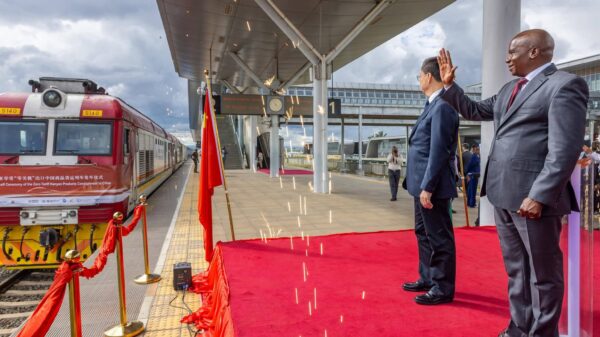
Infrastructure plays a pivotal role in facilitating this large-scale movement. China’s advanced rail networks, particularly its high-speed trains, ensure swift and reliable transportation between cities and rural areas. Beyond convenience, such infrastructure unlocks economic potential by increasing passenger volumes and stimulating related industries such as construction, hospitality, and logistics.
Africa, home to vibrant cultural festivals like Nigeria’s Durbar Festival and Ghana’s Homowo, holds immense untapped potential. However, inadequate infrastructure, logistical inefficiencies, and limited adoption of technology often hinder the ability to fully leverage these events for economic growth. Poor transport connectivity frequently prevents large gatherings from drawing both domestic and international visitors, limiting their economic impact.
One key lesson from chunyun is the necessity of sustained investment in transport systems. The Global Competitiveness Index highlights that well-developed infrastructure is foundational to economic progress. Expanding rail and road networks that connect urban centers with remote regions would enhance accessibility, stimulate local economies, and facilitate the movement of people and goods during major cultural events.
Technology is another critical factor. China’s 12306 ticketing platform exemplifies the role of digital systems in managing demand, improving efficiency, and enhancing the user experience. Africa could adopt similar innovations to address issues such as overbooking, unpredictable transport schedules, and inefficiencies during peak travel seasons, particularly around festivals and national holidays.
The cultural recognition of the Spring Festival by UNESCO is equally significant. Africa’s rich cultural diversity and heritage have the potential to attract global attention and tourism if adequately marketed and protected. Securing UNESCO recognition for African festivals would elevate their status, attract foreign visitors and investment, and ensure the preservation of traditions for future generations.
The Spring Festival illustrates how culture can unite communities, stimulate economies, and showcase national capabilities. By prioritizing infrastructure development, embracing smart technologies, and championing its cultural heritage on the global stage, Africa can harness the economic power of its festivals, transforming them into engines for growth and progress. The time to act is now—ensuring that Africa’s cultural wealth translates into tangible socio-economic benefits.