







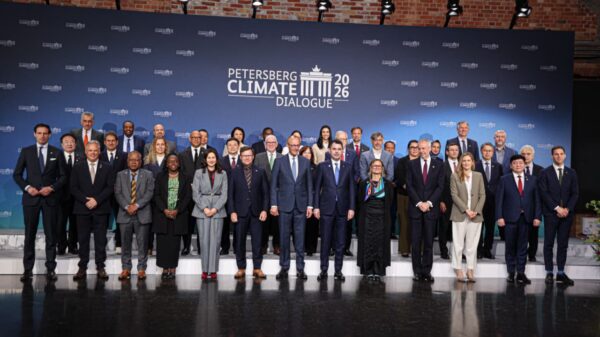







Though quiet, a very important meeting is happening in Africa this week-to share opportunities and challenges by countries on the continent on dealing innovatively with adverse effects of climate change on communities in the post-COVID-19 pandemic era. Gabon, jointly with development partners is hosting the 2022 Africa climate week, addressing the climate change crisis in the context of regional priorities and the need for a green recovery from the pandemic.
The COVID 19-related disruptions in many cases slowed down climate change mitigation and adaptation interventions globally, and given that the pandemic had regional and in country-specific impact- obviously depending on the level of development, disaster preparedness, sectoral strengths, budgets and resilience- it’s only fair that regional priorities are outlined and where possible even after the meeting and ahead of the COP 27 in Egypt in November, 2022, stakeholders accelerate interventions to rescue communities.
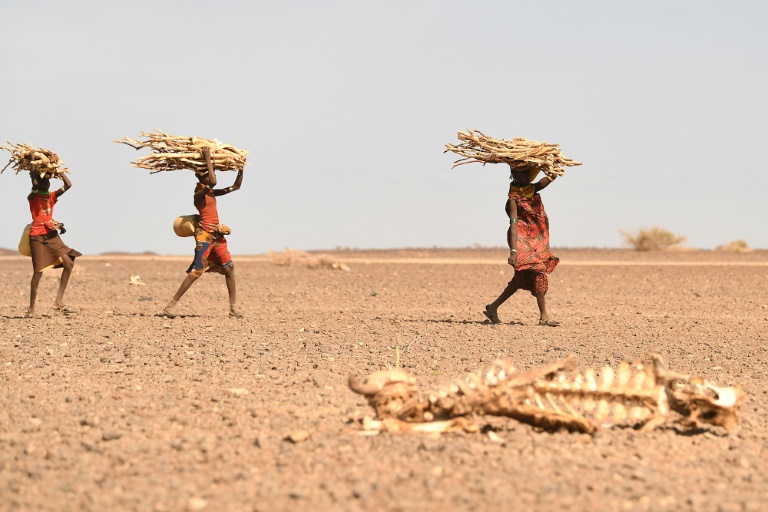
Already, even as communities struggle to recover post-COVID 19 with difficulties, reports from the Weather people are not very encouraging- that we are likely to experience the 5th consecutive failed rainy season in countries like Kenya this year, which will see communities face hunger, malnutrition, diseases among others. What do such forecasts mean to people in these communities, which seem not entirely prepared to deal climate change- we are still stuck at the national level, and countries with devolved governance structures like Kenya-need to accelerate local based interventions to cushion communities from the double tragedy of COVID 19 and climate change with support from the global community and development partners. Even as we focus on the regional priorities, I still believe in-community interventions are critical and development partners with climate change financing funds must up their game. It should not be business as usual.
Global players such as the World Bank had special purpose vehicles to assist local communities deal with climate change issues including the Forest Carbon Partnership Facility, the Climate Investment Funds, The Clean Technology Fund, the Strategic Climate Fund, the Green Climate Fund and the Global Environmental facility among others, meant to accelerate climate change mitigation and adaptation interventions even before the COVID 19 outbreak. Have they re-assessed the impact of these funds or more importantly, established facilities that could support enhancing community resilience against both COVID-19 and climate change.
Stakeholders in Gabon are focused on discussions on green interventions on climate change post COVID 19 interventions that will help countries on the continent – majority who are signatories to Sustainable Development Goals – that are pursuing economic growth and development models aligned to the SDG 12 on responsible consumption and production while at the same time promoting the principles of reducing, re-use and recycle and Paris Climate Change Agreement.
Kenya’s Green Growth Strategy pre-COVID 19 had recognized that investing in the following building blocks can increase profits for producers, save money for consumers, and improve the environment: economic efficiency, low carbon development, investing in natural capital and ecosystem services and efficient markets that internalize all social and environmental costs. Other building blocks that are equally important include and are part of the strategy are, transport, and water infrastructure systems; affordable and environmentally friendly housing; equitable access and governance of natural resources; environmentally aware citizens and green consumers; and new measurements of well-being and sustainable economic welfare that are publicly available.
Post COVID-19 and with the weather predictions for the period showing scanty rainfall and communities staring at starvation, what are the priorities in this county strategy? And with nearly 15 Counties in the country having signed climate change laws, how do we move to harmonize and prioritize our interventions? We need a national dialogue and conversation on this matter urgently.
And by the way, Governor Paul Otuoma, Busia County is among the counties in Kenya that enacted a climate change Act, aware of the disasters that have faced the county in the form of floods, Lake Victoria backflows and the fact that the county is ranked 4th from the bottom in terms of poverty must proactively reach out and establish contacts with these global facilities on climate change. Already, the county suffered greatly during the COVID-19 period- given its point at the gateway to the Great Lakes Region, a struggling health sector and the transnational tracks that have remained an eyesore in the county.
On enacting the Climate change law, it was reported that it would unlock over Sh5 billion climate change funding from the World Bank. The Act was meant to enhance resilience through development, management, implementation, regulations, mainstreaming climate change responses into development planning, decision making and implementation, facilitate effective management of climate change and to promote, support and facilitate community-based and community-initiated adaptation and mitigation activities
Both Kenya’s Green Growth Economy Strategy and the Blue Economy Strategy paper indicated that the country was ready to embrace a more sustainable approach to Kenya’s development will generate benefits in terms of environmental security, human well-being and increased competitiveness thus the choices made on infrastructure, energy and food production among others will shape our opportunities and options far into the future.
Focus is on increasing profits for producers, save money for consumers, and improve the environment: economic efficiency, low carbon development, investing in natural capital and ecosystem services and efficient markets that internalize all social and environmental costs. Others are transport, and water infrastructure systems; affordable and environmentally friendly housing; equitable access and governance of natural resources; environmentally aware citizens and green consumers; and new measurements of well-being and sustainable economic welfare that are publicly available.
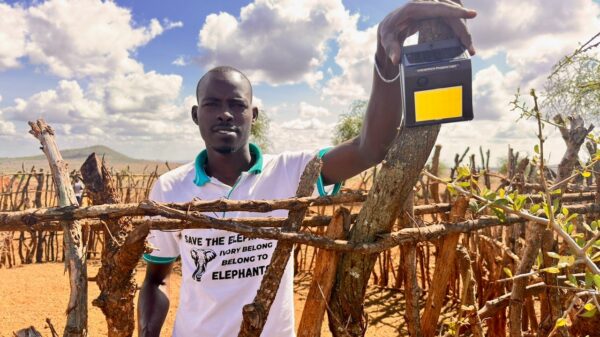
The media is an important channel for information that can empower people to effect positive social change. It informs vulnerable communities of impacts of climate change and how they can adapt to them and can promote mitigation activities that limit the amount of warming the Earth experiences. Most local communities in Kenya exist predominantly in the climate frontline, waging in a daily struggle to adapt to the changing climate. Yet most of these communities, if not all, lack the requisite information and skills needed to understand the entire consortium of weather, climate change, mitigation, and adaptation issues.
Victor Bwire is the Deputy CEO at the Media Council of Kenya.