










NAIROBI, Kenya Oct 22 – Voice for Women and Girl’s Rights-Kenya (VWGR-K), a project of Journalists for Human Rights (JHR), has embarked on sensitization of female aspirants to promote synergy with the media so as to advance women’s political representation in the country.
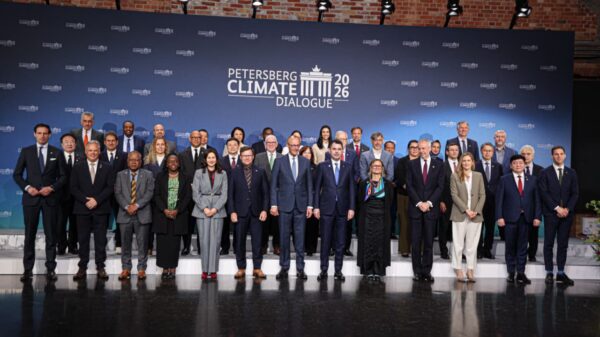
On Friday, VWGR-K organized a media roundtable with key stakeholders, including Civil Society Organisations and female aspirants at the Hilton Hotel in Nairobi where women aspirants were sensitized on how to capitalise on the media and barriers to women’s participation in leadership.
The meeting brought together top Editors who were also sensitised on the importance of promoting gender-sensitive reporting.
“The main objective of this meeting is to promote synergy between the media and women aspirants to work together to advance women’s political representation in Kenya,” said Sammy Muraya, VWGR’s Program Manager, “when we work together, we are able to end the gender stereotypes in the country.”
Mustapha Dumbuya, Team Lead at Journalists for Human Rights (JHR-Kenya) that runs the VWGR project in the country said there will be more engagements of key stakeholders to help female aspirants ahead of the election. “When the media, women aspirants and civil society work together there will be more synergy on gender issues because women are not getting as more coverage compared to their male counterparts.”
The two-thirds gender principle has remained elusive in Kenya despite numerous initiatives, including through the courts and Parliament.
JHR and VWGR-K said it believes that the media is a critical tool in engendering the political process, even as the two-thirds gender principle as stipulated in the Constitution remains unmet.
Political aspirants present as well as sitting legislators like Rangwe MP Dr. Lilian Gogo and Vihiga Woman Representative Beatrice Adagala hailed the media for the progress so far achieved in covering issues affecting women, even though there was consensus in the meeting that a lot more need to be done.
“But even then, we must admit that as women we need to be more open to get this coverage from the media,” Adagala said in a message directed to female aspirants.”
On her part, Dr. Gogo, “the media is a very important component in our political life. I have been built by the media and so we must open up and be available. Negative or positive publicity is all good.”
Nation Media Group’s Executive Editor and Managing Editor Pamela Sittoni admits “the media is guilty as charged” in failing to provide adequate coverage to women and gender-related issues.
“I must admit, as the media, we are guilty as charged,” she told the meeting, “but we have made tremendous progress lately because we now have more women in newsroom leadership positions and this has really helped to bring out more gender issues.”
Describing her own rising to the decision-making table at the Nation Media Group’s Editorial, Pamela said, “We never used to have more coverage of women and gender issues in the media, but things have changed. At the Nation, we even have a Gender desk.”
And citing a recent research by Bill and Melinda Gates, Pamela said in every one woman who speaks, there are six men who drown her voice.
“News about women is always portrayed in negative light, victims of violence among others,” she said, “we are guilty of stereotyping women because women successes are rarely brought out.”
She urged the top leadership in newsrooms to always drive change and make strategic decisions by setting up gender desks complete with a Gender Editor.
“By so doing, more space in newspapers and airtime on TV and radio will be allocated to women. That way we will stop covering women as subjects and start highlighting more positive stories about them,” she said.
Pamela’s advise to women aspirants is to build relationships in the media.
“Always feel free to call editors, know the production schedules, know how the media is structured and most importantly come up with a social media strategy and you will succeed,” she said.