

















NAIROBI,Kenya June 11 – Treasury Cabinet Secretary John Mbadi has defended the government’s decision to leave tax rates unchanged and avoid introducing fresh levies in the 2026 Finance Bill, arguing that the move is aimed at shielding Kenyans from further economic strain.
Instead of imposing additional taxes, Mbadi said the government has concentrated on strengthening tax administration, improving compliance mechanisms and expanding the pool of taxpayers to boost revenue collection.
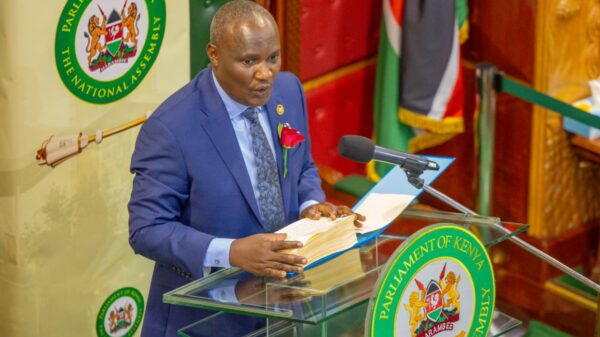
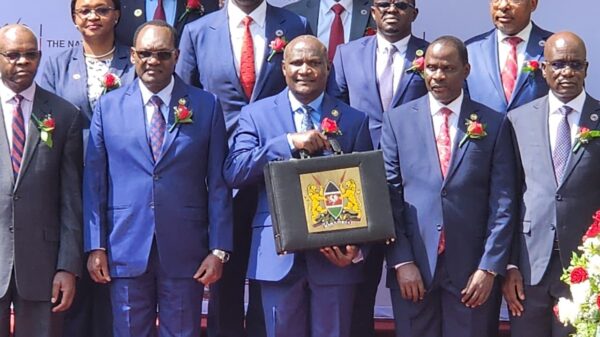
While presenting the 2026/27 Budget Statement in Parliament on Thursday, the Treasury boss said the proposals were shaped by widespread public participation over the past year and lessons learned from the fallout surrounding the 2024 Finance Bill.
Mbadi said the government had adopted a people-centred approach in crafting the budget, placing the interests of ordinary Kenyans at the heart of its decisions.
“In preparing these proposals, I have been guided by the overriding principle of placing the well-being of the common mwananchi first. In this regard, I have deliberately chosen not to introduce new taxes or increase tax rates that would further overburden the hardworking Kenyans and their families,” he told lawmakers.
He noted that the focus has shifted to enhancing tax collection efficiency, promoting equity within the tax system and widening the revenue base without increasing the burden on compliant taxpayers.
The Cabinet Secretary linked the policy direction to the aftermath of the June 25, 2024 demonstrations, saying the events served as a reminder of the importance of citizen engagement in government decision-making.
“Government was reminded of the need to always listen to the voices of our citizens,” Mbadi said.
According to the CS, expanding the tax base remains a key strategy for generating additional revenue while easing pressure on the relatively small number of Kenyans who consistently meet their tax obligations.
Mbadi revealed that he personally spearheaded public participation forums across the country during the preparation of the budget and related fiscal proposals.
The consultations, he said, brought together youth representatives, members of the business community and other stakeholders. He also engaged Kenyans through media platforms and discussions with university students to gather feedback on the Finance Bill and budget plans.
“I wish to thank all Kenyans who took time to attend these forums and engage with me. My assurance is that their voices have been reflected in the proposals that I am presenting today,” he said.
Although the government has ruled out new taxes and tax hikes, Mbadi maintained that efforts to bring more taxpayers into the system will continue to ensure a broader contribution toward funding public services.
He pointed out that only 3.1 million employed Kenyans currently remit Pay As You Earn (PAYE) tax, despite millions of others earning income within the economy.
“Only 3.1 million working Kenyans contribute to PAYE, yet millions of other Kenyans who make money in our economy do not contribute to the taxes we collect,” he said.
Mbadi further noted that a significant number of potential taxpayers continue to file nil returns despite earning income, leaving a limited group of compliant taxpayers shouldering a disproportionate share of the country’s development costs.
“The burden of development in this country has been borne by a few of us, and that must change,” he said.